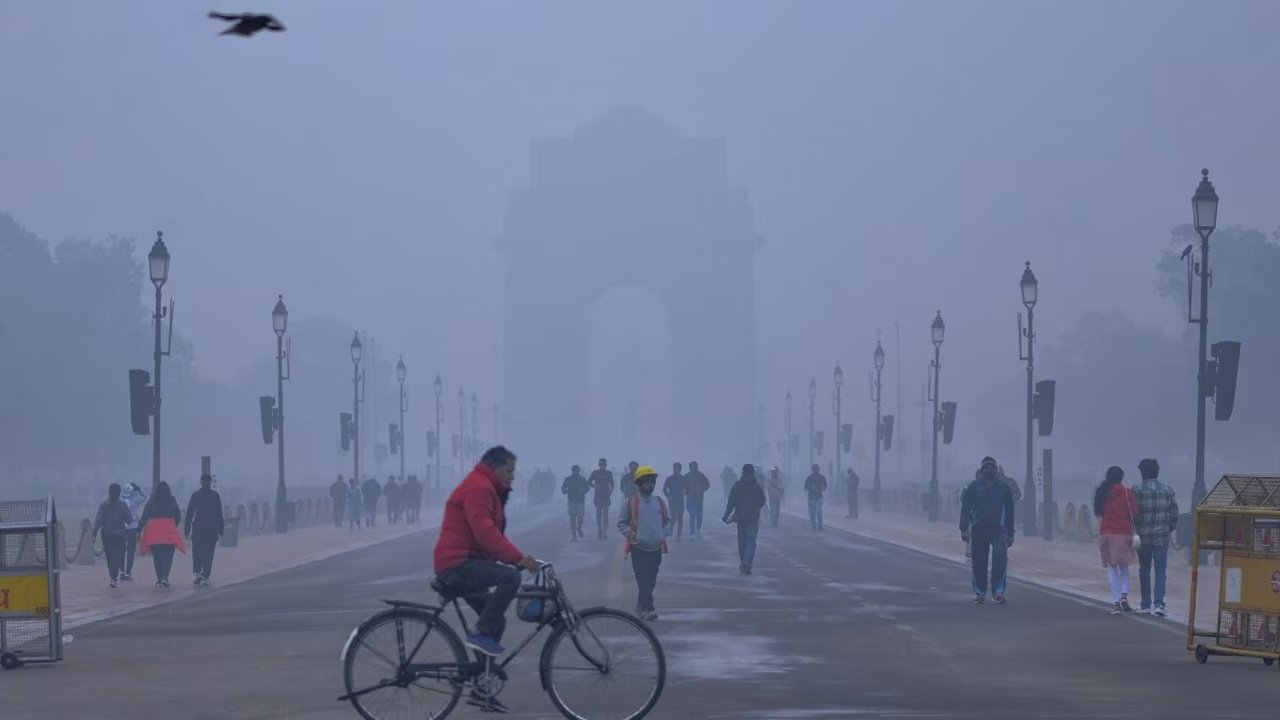
Delhi Withdraws Emergency Pollution Curbs As Air Quality Stabilizes
Authorities have lifted all emergency pollution controls under the Graded Response Action Plan across Delhi and the wider National Capital Region after air quality improved to moderate levels. The withdrawal of Delhi GRAP restrictions marks the end of several months of preventive measures that had been in place to limit emissions during the winter pollution season. Air quality monitoring on Monday recorded the city’s Air Quality Index at 119, placing it within the moderate category. Environmental regulators said improved atmospheric conditions, including favourable wind patterns and dispersion, helped reduce pollutant concentrations across the capital.
The removal of Delhi GRAP restrictions means that temporary curbs introduced during high pollution episodes will no longer apply. These measures had included limitations on certain fuel uses in commercial establishments and restrictions on diesel generator operations except for essential services. The Graded Response Action Plan is a framework designed to respond to varying levels of air pollution in the capital region. It operates through four escalating stages triggered by specific air quality thresholds. The first stage is activated when the Air Quality Index moves into the poor category, while higher stages impose stricter restrictions as pollution levels worsen. Over the past winter, Delhi experienced multiple periods of severe air pollution that prompted authorities to implement higher stages of the response plan. The most stringent measures were introduced in January when air quality deteriorated significantly across the region. As pollution levels gradually declined in the weeks that followed, authorities began rolling back the restrictions in phases. Urban environment experts note that the seasonal implementation of Delhi GRAP restrictions has become an important policy tool for managing pollution spikes during colder months. Winter meteorological conditions in northern India often trap pollutants close to the ground, intensifying smog episodes across the capital.
While temporary restrictions help reduce emissions during peak pollution periods, environmental planners say long-term improvements depend on structural changes across multiple sectors. These include cleaner transport systems, stricter industrial emission standards, improved waste management practices and the adoption of low-carbon energy sources. Air quality also has broader implications for urban health and economic productivity. Studies have linked sustained exposure to polluted air with respiratory illnesses and other public health risks, making air pollution control a critical component of urban governance. City planners emphasise that cleaner air episodes should be viewed as opportunities to accelerate long-term environmental reforms. Expanding electric mobility, strengthening public transport networks and reducing dependence on fossil fuel-based heating and cooking systems are among the strategies being discussed by policymakers. For now, the removal of Delhi GRAP restrictions offers temporary relief for businesses and residents who had been operating under the emergency framework. However, environmental authorities say continuous monitoring will remain in place, and the response plan can be reactivated if pollution levels begin to rise again.
As Delhi prepares for future seasonal cycles, experts argue that sustained investment in cleaner infrastructure and climate-resilient urban systems will be key to reducing the need for emergency pollution measures in the years ahead.