


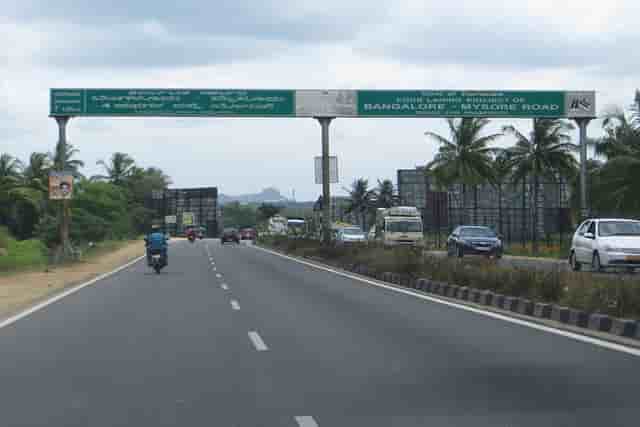
A new coastal highway planned along Gujarat’s industrial coastline is expected to strengthen logistics connectivity between key ports in Surat and Bharuch districts, signalling another step in the region’s port-led infrastructure expansion. The proposed corridor, stretching roughly 18 kilometres, aims to improve cargo movement and reduce travel time between industrial zones and maritime gateways along the Arabian Sea. Officials overseeing the project say the Surat Bharuch coastal highway will create a direct road link connecting port facilities and surrounding industrial estates. By improving last-mile connectivity to ports, the corridor is expected to streamline freight transport and reduce congestion on existing inland highways.
The coastal belt between Surat and Bharuch hosts a dense cluster of industrial activity, including petrochemicals, textiles, engineering units and export-oriented manufacturing. Efficient logistics infrastructure is essential for moving raw materials and finished goods between factories, warehouses and shipping terminals. Transport planners say the Surat Bharuch coastal highway could significantly improve cargo efficiency in the region. At present, freight vehicles travelling between ports often rely on longer inland routes that pass through urban areas and industrial townships, leading to delays and increased fuel consumption. Direct coastal connectivity may also help separate freight traffic from passenger vehicle movement on major highways. Urban mobility specialists note that when heavy trucks share the same corridors as daily commuters, congestion and safety risks increase. Dedicated logistics routes can therefore improve traffic flow while enhancing road safety. The Surat Bharuch coastal highway forms part of a broader strategy to strengthen coastal infrastructure across western India. Ports along the Gujarat coastline handle a significant share of the country’s maritime trade, making efficient transport links critical for supporting industrial growth and export activity. Urban development experts say port-led corridors can stimulate economic activity in surrounding regions. Logistics parks, warehousing hubs and manufacturing clusters often emerge along transport corridors connecting ports with inland markets. However, coastal infrastructure projects also require careful environmental planning. Coastal ecosystems, including mangroves and tidal wetlands, play a crucial role in protecting shorelines from erosion and supporting biodiversity. Infrastructure planners emphasise the need for environmentally sensitive construction practices and long-term monitoring of coastal impacts. From a climate resilience perspective, modern coastal highways must also be designed to withstand extreme weather events such as storm surges and heavy rainfall. Elevated road structures, improved drainage systems and climate-resilient engineering are increasingly integrated into such projects.
For the Surat–Bharuch industrial region, the Surat Bharuch coastal highway could enhance logistical efficiency while strengthening the role of coastal infrastructure in economic development. By improving port connectivity, the corridor is expected to support export-oriented industries that depend on fast and reliable access to shipping routes. As construction progresses, the project may also illustrate how infrastructure investment can balance economic expansion with environmental stewardship. In rapidly growing coastal regions, the success of such corridors will depend not only on transport efficiency but also on their ability to integrate sustainable planning principles.
ALSO READ – Vidarbha Irrigation Projects Delay Affects Regional Development
Surat Bharuch coastal highway to strengthen port connectivity
