


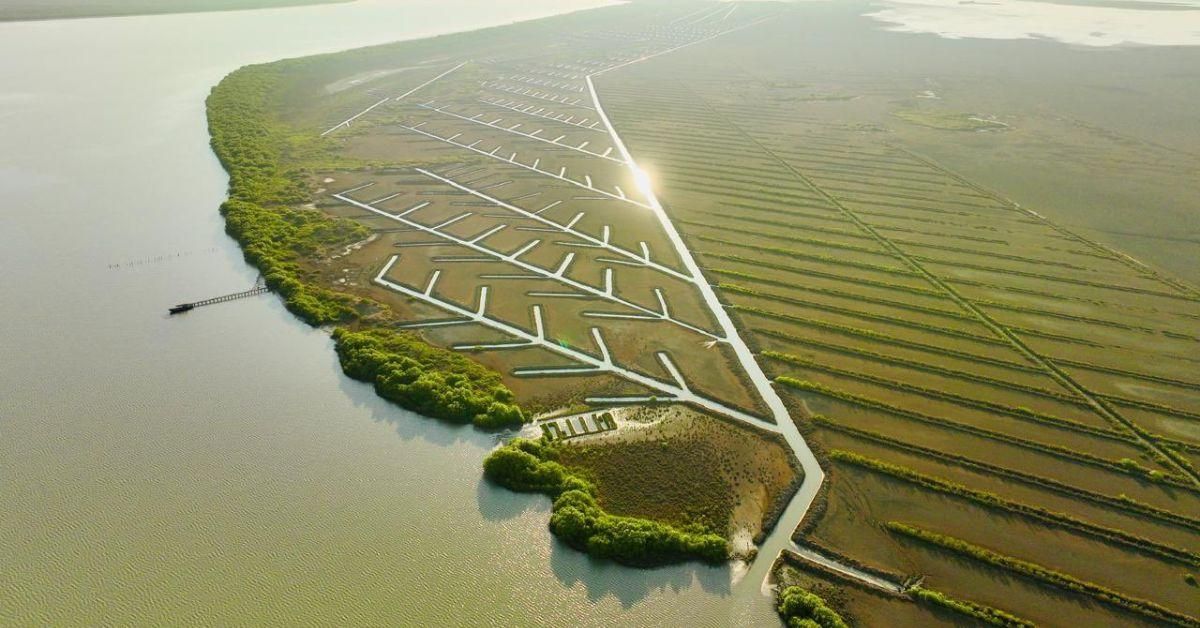
Chennai Expands Mangrove Restoration Along Urban IT Corridor
Authorities in Chennai have completed another phase of ecological restoration along the rapidly urbanising Old Mahabalipuram Road, planting thousands of saplings to rebuild coastal mangrove ecosystems that once formed a natural buffer for the city’s shoreline.
The initiative highlights growing efforts to integrate environmental resilience into infrastructure and real estate growth in one of southern India’s most important technology and urban development corridors.Officials involved in the project confirmed that the latest planting activity marks the third stage of a multi-year restoration programme designed to stabilise degraded wetland areas near the IT corridor. These landscapes historically supported mangrove forests that helped regulate tidal flow, protect inland areas from storm surges and maintain biodiversity.Urban planners say the restoration effort reflects a broader shift in how expanding metropolitan regions approach coastal planning. The technology corridor along Old Mahabalipuram Road has seen rapid commercial and residential construction over the past two decades, transforming what were once wetlands and fishing settlements into a dense economic zone anchored by information technology parks and housing developments.In this context, strengthening the Chennai mangrove restoration effort has become an important strategy for balancing urban expansion with environmental safeguards. Mangrove ecosystems are known to reduce coastal erosion, store significant amounts of carbon and filter pollutants before they reach the sea. Their dense root systems also act as natural barriers during cyclones and heavy rainfall events.
Environmental specialists note that coastal cities such as Chennai are increasingly vulnerable to climate-related risks, including sea level rise and intense monsoon flooding. Restoring mangrove belts can improve a city’s natural drainage capacity while also enhancing ecological stability in surrounding wetlands.The Chennai mangrove restoration initiative has also drawn attention to the need for integrated planning between forest departments, local civic authorities and urban development agencies. Experts say that protecting and regenerating mangrove areas within expanding metropolitan boundaries requires coordinated land-use policies to prevent encroachment and ensure long-term ecological monitoring.Beyond environmental benefits, such projects can influence how real estate development evolves in coastal corridors. Developers and infrastructure planners are increasingly recognising that green buffers and restored wetlands contribute to climate resilience and long-term property stability. As cities grow, these natural assets can help reduce disaster risks while improving urban liveability.Urban economists add that climate-resilient infrastructure is becoming a critical factor in sustainable city planning, particularly in rapidly growing coastal regions across India. Incorporating ecological restoration into development strategies may help cities manage environmental pressures without slowing economic activity.
For Chennai, where rapid urbanisation continues to reshape coastal landscapes, the expansion of mangrove ecosystems could play a crucial role in protecting communities and infrastructure in the years ahead. Authorities are expected to continue monitoring the newly planted areas to ensure the saplings mature into stable mangrove forests capable of supporting the region’s evolving urban environment.
Also Read:Bengaluru Rocket Stove Highlights Urban Cooking Alternatives
