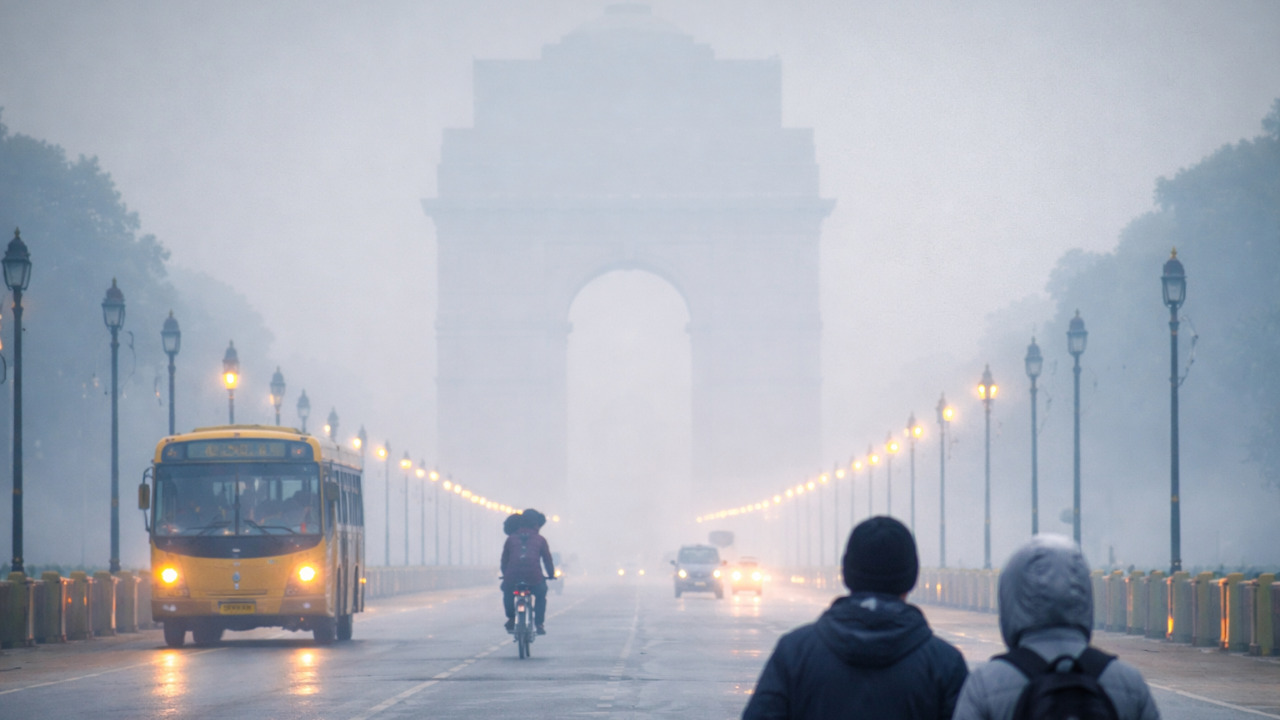
A weather advisory issued for the national capital indicates a shift in atmospheric conditions that could bring light rain, gusty winds and a drop in temperature over the coming days, signalling the possible arrival of the season’s first pre-monsoon activity. The Delhi weather alert highlights how early seasonal disturbances can influence urban climate patterns, affecting daily life, infrastructure operations and air quality in one of India’s most densely populated metropolitan regions. Meteorological authorities have indicated that unstable weather conditions are likely to develop as a western disturbance moves across the north-western Himalayan region. Such systems often trigger rainfall and thunderstorms across northern India, including parts of the National Capital Region. Forecast models suggest that intermittent drizzle, isolated thunderstorms and surface winds reaching moderate speeds may occur, particularly during the early hours of the day.
The Delhi weather alert also follows a period of above-average daytime temperatures in the capital. Weather stations across the city recently recorded minimum temperatures slightly higher than seasonal norms, although readings dipped modestly compared to the previous day. Daytime temperatures have remained elevated, reinforcing the warm conditions typical of the late winter-to-summer transition period. Urban climate specialists note that interactions between rising surface heat and approaching western disturbances can intensify localised weather events such as sudden rainfall, thunderstorms and gusty winds. These systems sometimes trigger short-term temperature drops, providing temporary relief from heat build-up in dense urban areas. Forecasts indicate that minimum temperatures could decline further in the coming days as cloud cover and rainfall reduce daytime heating. At the same time, maximum temperatures are expected to remain in the low-thirties Celsius range, reflecting seasonal fluctuations common during the early pre-monsoon phase.
While rainfall is expected to be light, such weather systems can influence several aspects of city functioning. Transport networks, outdoor construction work and utility maintenance often experience short disruptions during sudden thunderstorms or high wind conditions. Municipal agencies typically remain alert during these periods to manage tree falls, waterlogging or traffic disruptions in vulnerable areas. The Delhi weather alert also coincides with a modest improvement in the city’s air quality levels. Monitoring data suggests that pollution concentrations have eased slightly compared with the previous day, although the overall air quality category remains within the moderate range. Environmental experts note that rainfall and stronger winds can temporarily disperse pollutants by improving atmospheric mixing. However, they caution that these short-term improvements do not necessarily signal long-term reductions in urban air pollution. Sustained air quality improvements depend on broader emission controls, cleaner energy use and urban planning that reduces reliance on polluting transport systems. For city planners and climate researchers, such weather developments underscore the increasing importance of resilient urban systems. Sudden weather fluctuations—whether heatwaves, rainfall bursts or dust storms—are becoming more frequent in rapidly expanding metropolitan regions.
Authorities are therefore expected to continue monitoring conditions closely over the next few days. As seasonal transitions unfold, accurate forecasting and responsive civic systems will remain critical for ensuring that cities like Delhi can manage changing weather patterns while protecting residents, infrastructure and urban ecosystems.