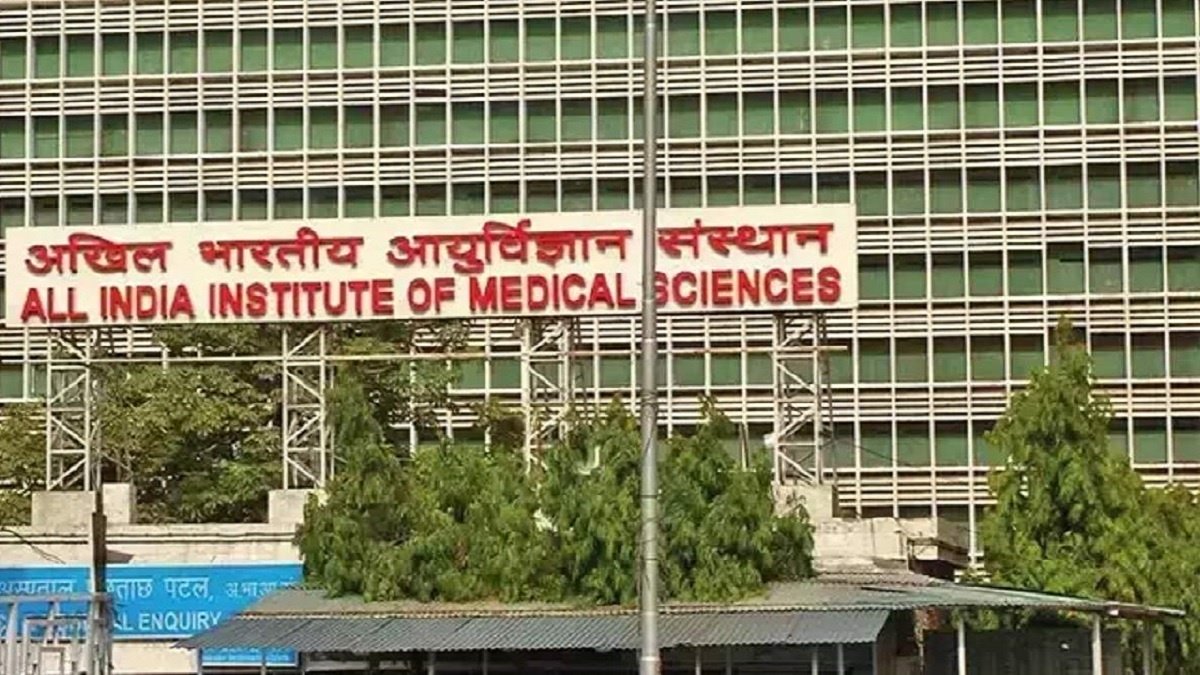
Delhi Integrated Medical Hub Planned In East Delhi
Delhi’s public health system may soon undergo a structural overhaul as the city administration considers forming an integrated medical hub in East Delhi by linking three large government hospitals under a unified institutional framework. The proposal aims to improve the distribution of specialised healthcare services while addressing long-standing imbalances in patient load and hospital infrastructure across the capital. Officials involved in the planning process say the integrated medical hub would combine three major facilities located in close proximity into a coordinated medical institution designed to deliver super-speciality care more efficiently. The initiative is part of a broader strategy to modernise Delhi’s public healthcare infrastructure without relying solely on new hospital construction.
Healthcare planners note that many government hospitals in the capital face uneven operational pressures. Some institutions experience extremely high patient volumes, while others struggle to utilise their full infrastructure capacity. Integrating hospitals administratively and clinically could help streamline patient referrals, optimise medical resources and reduce overcrowding in high-demand facilities. One of the hospitals identified for integration currently operates beyond its designed capacity, handling a large volume of outpatient visits and inpatient admissions every year. By contrast, another super-speciality facility within the proposed network has hundreds of beds but only a portion of them actively in use. Authorities believe that combining management structures and medical services within the integrated medical hub could help balance these disparities. Under the proposed model, each hospital campus would continue operating but with clearly defined medical specialisations. Such an approach allows institutions to focus on particular disciplines—such as advanced surgery, oncology or other specialised treatments—while sharing expertise, equipment and research capabilities across the network.
Urban health policy experts say hospital clustering models have been used globally to strengthen large public health systems. By concentrating specialised care across coordinated facilities, cities can improve patient outcomes while reducing duplication of expensive medical technology and infrastructure. Alongside the hospital integration plan, the city administration is also evaluating the expansion of a major mental health institution into a larger national-level centre for psychiatric treatment, research and training. Public health specialists have long emphasised the need to strengthen mental healthcare infrastructure in metropolitan regions, where urban stress, population density and access challenges contribute to growing demand for services. Expanding mental health capacity could also align with broader efforts to create inclusive healthcare systems that address both physical and psychological wellbeing. Experts argue that integrated urban healthcare planning must account for mental health services alongside conventional hospital treatment. From an urban development perspective, strengthening healthcare networks within existing institutional clusters can also reduce pressure on land use while improving service accessibility for surrounding neighbourhoods. While the proposal remains under policy review, healthcare administrators say its success will depend on effective governance structures, coordinated management and clear operational roles for each facility within the integrated medical hub.
If implemented, the plan could signal a new direction for public healthcare planning in Delhi—one that emphasises coordinated hospital networks, specialised treatment clusters and better utilisation of existing urban health infrastructure.