Surat LPG crisis forces priority for essential services
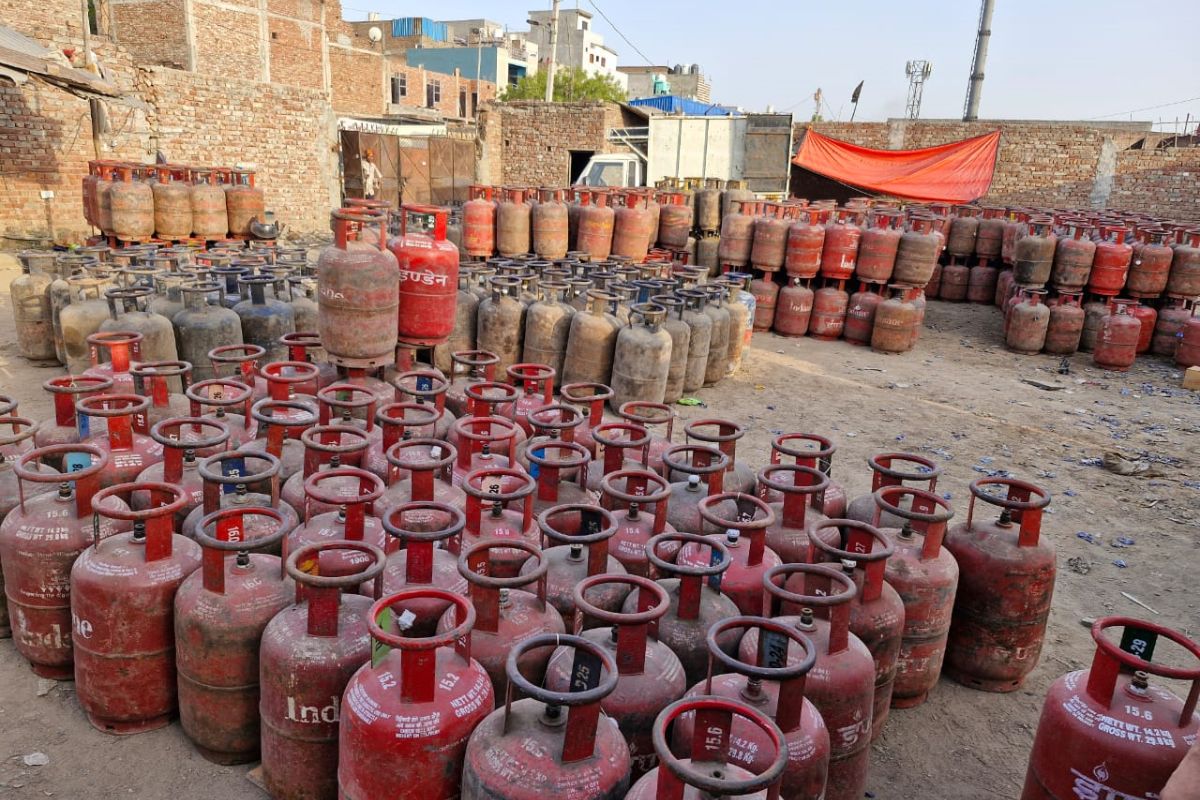
Authorities in Surat have introduced emergency supply measures as a shortage of commercial cooking gas begins to disrupt several service sectors in the city. To manage the situation, officials have prioritised the distribution of commercial LPG cylinders to essential services, including hospitals and critical food supply providers. The move comes as the Surat LPG crisis continues to affect businesses that depend on commercial cylinders for daily operations. Restaurants, small food outlets and catering units have reported difficulties obtaining regular gas supplies, raising concerns about interruptions to food services across the city.
Local administrators say the priority allocation system is intended to ensure that essential services remain operational during the supply disruption. Hospitals, community kitchens and other critical institutions are being given preference in the distribution of available cylinders while supply chains stabilise. Urban economists note that the Surat LPG crisis highlights how dependent many city services are on reliable energy supplies. Commercial LPG plays a crucial role in urban food ecosystems, supporting restaurants, cloud kitchens, street vendors and catering businesses that serve large populations every day. When fuel supplies tighten, the impact quickly spreads through urban service networks. Restaurants may be forced to reduce operating hours, simplify menus or temporarily halt operations. Such disruptions can affect thousands of workers across kitchens, food delivery services and supply chains. Surat’s rapidly expanding urban economy has created a large hospitality and food service sector. As the city grows as a manufacturing and trade hub, demand for restaurants and delivery-based food services has increased significantly. Ensuring stable access to cooking fuel has therefore become an important component of urban infrastructure. The Surat LPG crisis has also sparked discussion about the resilience of urban energy systems. Experts say cities often rely on a limited number of supply channels for essential fuels such as LPG. When disruptions occur—whether due to logistics challenges, production issues or sudden demand spikes—local businesses can face immediate operational challenges. Urban planners argue that diversifying energy sources could reduce such vulnerabilities in the future. Expanding piped natural gas networks for commercial kitchens and promoting electric cooking technologies are among the solutions being explored in several Indian cities. Energy resilience is increasingly seen as part of sustainable urban planning. Reliable access to clean cooking fuel not only supports businesses but also contributes to better air quality by reducing the use of polluting alternatives.
For Surat’s service sector, the immediate priority remains stabilising supply so businesses can continue operating normally. Authorities say they are working with distribution agencies to restore regular cylinder availability while ensuring essential institutions remain protected. The episode serves as a reminder that behind every city’s vibrant food culture lies a complex supply chain of energy, logistics and labour. Maintaining the resilience of these systems will be critical as Indian cities continue to expand and diversify their urban economies.