


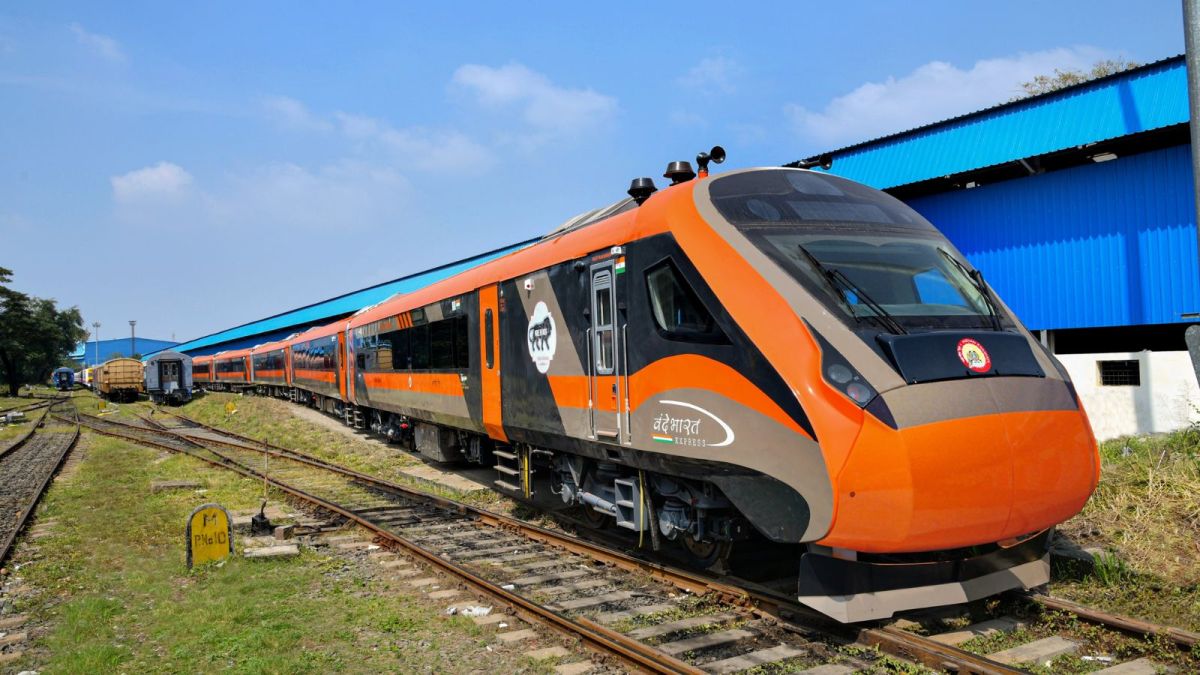
Indian Railways’ upcoming generation of high-speed sleeper trains is drawing public attention after newly introduced interior designs for the Vande Bharat sleeper train began circulating online. The redesigned bedding and cabin aesthetics mark a noticeable shift from the conventional appearance of older three-tier air-conditioned coaches, signalling a broader attempt to modernise long-distance rail travel. Images shared by railway observers show brightly coloured bedsheets and redesigned interior elements intended to improve the visual appeal and passenger experience inside sleeper coaches. The updated design replaces the familiar blue bedding associated with traditional 3AC compartments with a more contemporary palette and coordinated cabin décor.
Railway officials say the Vande Bharat sleeper train represents the next phase of India’s high-speed rail modernisation programme. While earlier Vande Bharat services focused on chair-car configurations for daytime journeys, the sleeper version is designed for overnight intercity travel across longer distances. The introduction of refreshed interiors reflects a broader trend in passenger rail systems worldwide, where comfort and design are increasingly viewed as part of the travel experience rather than merely functional features. In India, where millions rely on overnight trains for long-distance journeys, improvements in cabin ambience and hygiene standards can significantly influence passenger satisfaction. Transport planners say that the Vande Bharat sleeper train could redefine expectations for long-distance rail services in the country. The trains are expected to feature modern amenities including improved berth layouts, upgraded lighting, enhanced insulation and digital passenger information systems. Such changes aim to make overnight journeys more comfortable while maintaining high operational speeds. For railway authorities, the focus on interior design also reflects competition with other transport modes. As highways and domestic aviation networks expand, railways are increasingly investing in passenger comfort to retain their role as the backbone of intercity mobility. Urban mobility experts point out that high-quality rail travel is essential for building sustainable transport systems. Electric trains generally produce lower emissions than air travel on comparable routes and can move large numbers of passengers efficiently between cities. Upgrading passenger experience therefore supports both environmental goals and economic productivity. The Vande Bharat sleeper train programme is also linked to the broader effort to strengthen domestic manufacturing in railway technology. Designed and built in India, these trainsets form part of the country’s push to develop advanced rail engineering capabilities while modernising the national rail network. Improved passenger amenities may also influence travel behaviour, encouraging more people to choose rail for overnight journeys that might otherwise shift to air travel. Comfortable sleeper trains can reduce travel fatigue and allow passengers to arrive in cities rested, an advantage particularly valued by business travellers and long-distance commuters.
As prototype coaches continue to undergo testing and refinement, railway authorities are expected to gather passenger feedback on the design and onboard facilities. Public response to the new bedding and interior aesthetics suggests that travellers are paying close attention to the details shaping the future of Indian rail travel. If implemented successfully, the Vande Bharat sleeper train could represent a new benchmark for overnight rail journeys—combining speed, comfort and modern design as India moves toward a more efficient and passenger-focused railway system.
ALSO READ – Nagpur Summer Trains Expand Rail Connectivity Nationwide
Nagpur Vande Bharat Sleeper Upgrade Draws Passenger Praise
