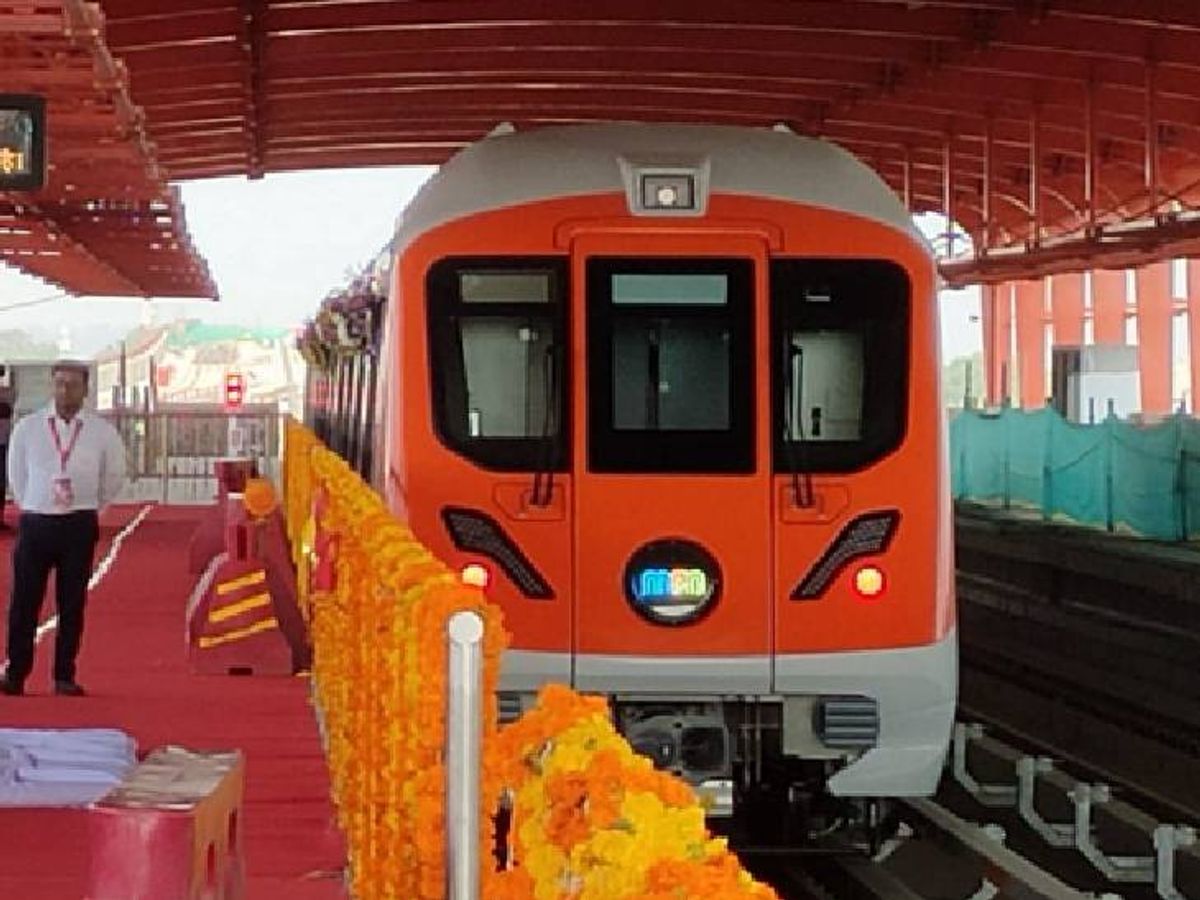
A full-scale Bhopal Metro mock up coach that had been exhibited at a public park in Shyamla Hills for more than two years is being relocated to the city’s metro depot, marking a symbolic shift as the region’s first mass rapid transit system moves closer to operational readiness. The display model will now stand near the depot complex, where it will serve as an information and orientation feature for visitors, officials and project stakeholders.
The life-sized Bhopal Metro mock up coach was originally installed in 2023 as a public engagement initiative. Placed inside a popular urban park, the structure offered residents a preview of how the future metro trains would look and function. Visitors could step inside to examine seating arrangements, accessibility features, door mechanisms and passenger information systems designed for the city’s emerging rapid transit network. Urban planners say such installations often serve an important purpose during large infrastructure rollouts. By allowing citizens to experience the design of trains and stations ahead of launch, project authorities can familiarise the public with new transport systems and build confidence around mass transit adoption.
Now, however, the metro project has entered a different phase. With trial operations and system readiness progressing, transport officials indicated that passengers will soon have opportunities to experience the trains directly. In that context, relocating the display coach to the depot reflects a transition from public awareness campaigns toward operational preparation. The depot complex is a critical component of the metro system’s infrastructure. Facilities located there typically house train maintenance workshops, stabling lines, control systems and technical equipment required for daily operations. By positioning the mock-up coach near this hub, authorities aim to create an accessible display point for institutional visitors, urban development delegations and technical teams studying the project. Urban mobility experts note that cities introducing rail-based transit often maintain demonstration coaches or information centres to support knowledge exchange and training. These installations can also help civic bodies communicate the long-term benefits of mass transit, including reduced road congestion, lower emissions and more equitable access to jobs and services.
For Bhopal, the metro network represents a major shift in how the city approaches urban mobility. As population growth and expanding residential corridors increase pressure on roads, planners view rapid transit as a key element in building a cleaner and more resilient transport system. The relocation of the Bhopal Metro mock up coach may appear administrative, but it reflects a broader transition. What once served as a public teaser is gradually becoming part of the operational ecosystem of the city’s first metro network. As testing progresses and stations move closer to opening, the focus will increasingly shift toward integrating the metro with buses, pedestrian corridors and surrounding neighbourhood development steps that urban planners say are essential for creating a truly people-centred transport system.