Nagpur Fire Response Delays Raise Urban Safety Concerns
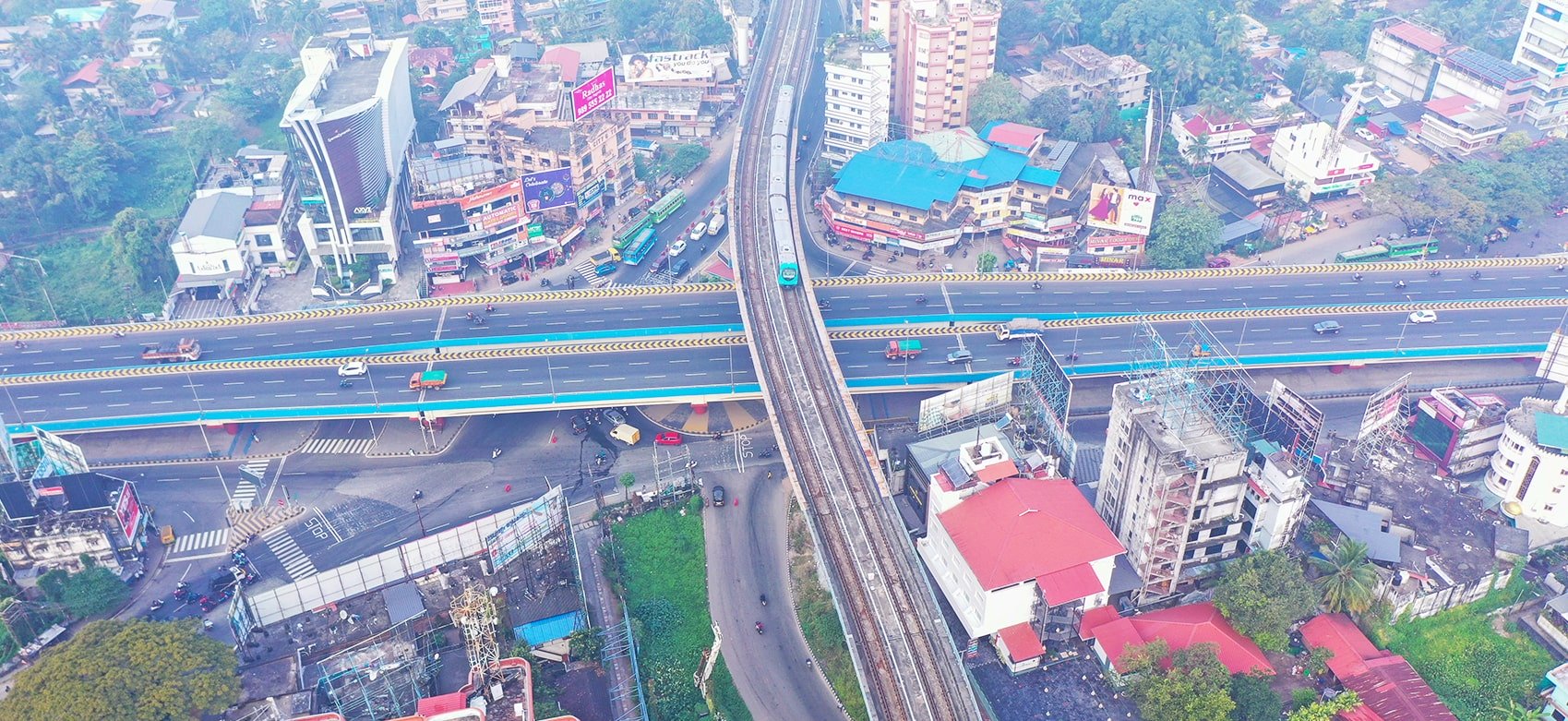
Major highway upgrades around Kochi are beginning to reshape how and where people buy property in the city. Improved road connectivity is encouraging homebuyers and small investors to consider suburban neighbourhoods along key corridors, where land remains comparatively affordable. The emerging suburban property demand reflects a broader shift in urban growth patterns, as infrastructure investments gradually extend the city’s residential and commercial footprint beyond traditional central locations.
Real estate activity is gaining traction in areas located along major transport routes and highway junctions on the city’s periphery. Locations such as Maradu, Koonammavu, Kundanoor and Madavana are seeing a rise in enquiries for residential plots and modest housing units. Property consultants say buyers are increasingly comfortable living farther from central Kochi because improved travel times make daily commuting more manageable. Much of the current suburban property demand is coming from middle-income households looking for relatively affordable land. Brokers indicate that many families are searching for residential plots or compact homes within a budget of about ₹1 crore. Instead of large parcels, buyers are often opting for smaller plots that provide enough space to construct independent houses while keeping overall costs under control.
Plots measuring roughly three to five cents have become particularly sought after. Developers and landowners have responded by subdividing larger land holdings into smaller residential plots, enabling more buyers to enter the housing market. The trend reflects a shift toward incremental home building rather than purchasing large ready-built properties. Improved transport links are also influencing land valuations in these emerging corridors. Industry observers say land prices within a few kilometres of key highway intersections have risen significantly in recent years, driven by expectations of further infrastructure upgrades and new economic activity in surrounding areas. The possibility of mixed-use development where residential and small commercial establishments coexist is also contributing to interest from investors.
Beyond housing, businesses that rely on efficient logistics and accessibility are increasingly considering sites near major road networks. Commercial establishments such as retail outlets, service centres and small warehouses are gradually appearing along highway corridors, benefiting from faster connections to Kochi’s port, industrial zones and neighbouring districts. Developers are beginning to design residential communities tailored to this evolving suburban landscape. Projects in emerging neighbourhoods often feature gated layouts, shared utilities and modest housing units intended for middle-income buyers. Suburban locations also allow developers to plan larger integrated projects, which would be difficult in densely built city cores.
Recent housing market indicators suggest the city’s property trends are undergoing adjustment. While property values in central locations have shown mixed movement in recent quarters, demand appears to be dispersing toward newly connected areas rather than concentrating in established neighbourhoods. Urban planners note that infrastructure investments have historically influenced Kochi’s spatial development. As new highway corridors and transport links continue to expand, suburban zones may play a larger role in accommodating housing demand. Ensuring that these emerging neighbourhoods develop with adequate services, green spaces and resilient infrastructure will be critical for maintaining balanced and sustainable urban growth.