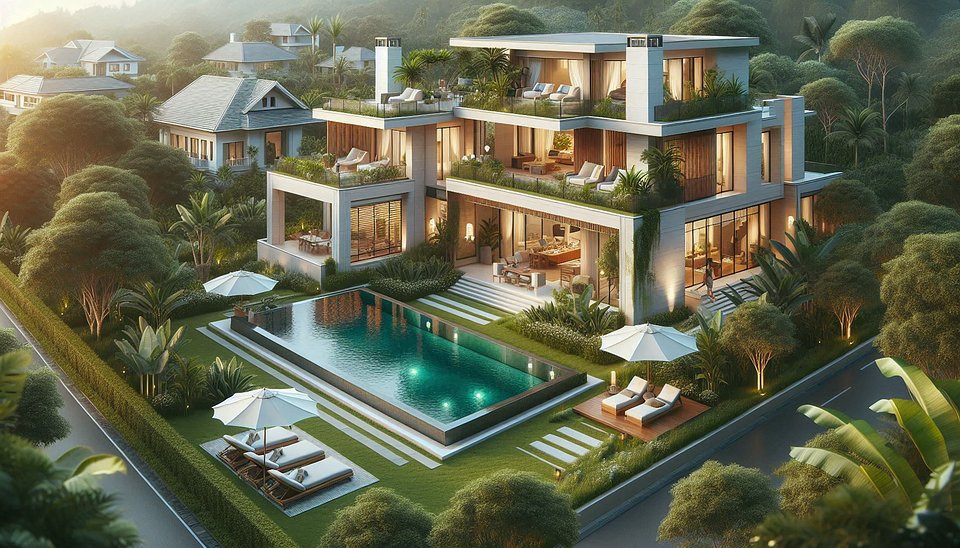
India’s premium residential market is witnessing a structural shift as India luxury housing demand rises across major urban centres, driven by high-income professionals, entrepreneurs, and overseas Indians seeking larger, lifestyle-oriented homes. The trend reflects changing urban aspirations and rising wealth in metropolitan regions, where homebuyers are increasingly prioritising wellness, sustainability, and long-term asset value over conventional considerations such as size and proximity.
Industry analysts say the buyer profile in India’s housing market has evolved significantly in the past decade. Affluent professionals in technology, finance, consulting, and start-ups are now emerging as a key consumer base for high-end residences. Many among them are first-generation wealth creators who view property not only as a lifestyle upgrade but also as a stable investment in an increasingly volatile global environment.
Another influential group is non-resident Indians returning to or investing in Indian cities. Real estate consultants note that currency advantages, improved regulatory frameworks, and better project transparency have made Indian luxury housing attractive to this segment. Several metropolitan markets have seen renewed interest from overseas buyers looking to maintain a residential base in the country while also diversifying investments. Urban infrastructure expansion has played a decisive role in strengthening India luxury housing demand. The rollout of metro rail networks, new expressways, and airport-linked developments has opened up previously peripheral micro-markets for premium residential projects. These emerging corridors often provide larger land parcels, enabling developers to build low-density communities that emphasise open spaces, natural ventilation, and landscaped environments.
City planners say this outward expansion is gradually transforming India’s urban structure from centralised city cores to polycentric development patterns. As new technology parks, business districts, and innovation clusters emerge, residential demand follows employment opportunities, creating fresh demand for premium housing near these economic nodes. Technology is also influencing how homes are designed and marketed. Developers increasingly rely on digital platforms and data-driven insights to understand buyer preferences. Advanced modelling tools now allow architects and planners to test factors such as daylight exposure, airflow patterns, and spatial efficiency before construction begins, improving both energy performance and comfort.
Sustainability considerations are becoming a central feature of the luxury housing segment. Rainwater harvesting, solar integration, and energy-efficient materials are gradually shifting from optional features to standard design elements in many premium developments. Urban planners say such changes are necessary as Indian cities confront rising environmental pressures and the need for climate-resilient built environments. Looking ahead, analysts expect the luxury segment to remain an important driver of residential growth, particularly in cities witnessing strong employment creation and infrastructure expansion. If borrowing costs soften and urban planning continues to prioritise sustainable mobility and resilient infrastructure, India’s high-end housing market may increasingly shape how cities evolve and how residents define modern urban living.