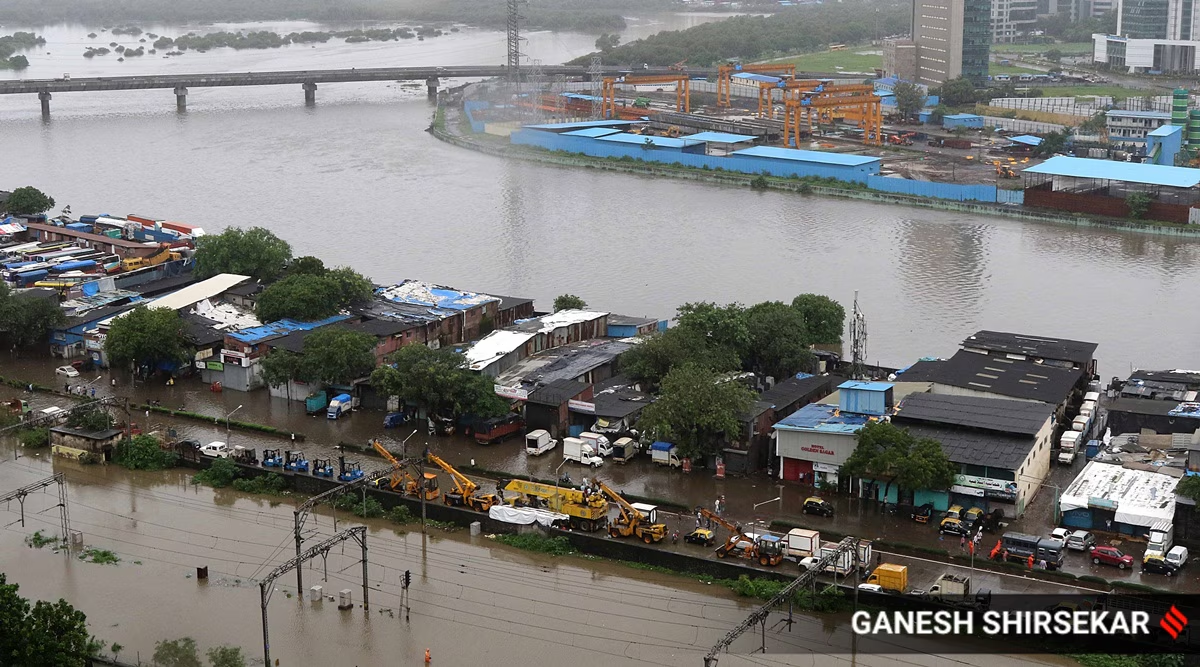
Mumbai Advances Inclusive Mithi River Cleanup Plans
Mumbai’s civic administration has taken a pragmatic step to advance long‑delayed desilting work on the Mithi River by broadening participation in the tender process after initial bids failed to materialise. With the Brihanmumbai Municipal Corporation (BMC) extending deadlines and relaxing eligibility criteria, officials aim to maintain the momentum of pre‑monsoon river restoration efforts that are critical for urban drainage, flood mitigation, and environmental resilience.
The BMC recently re‑issued the tender for desilting — a 90‑day exercise vital to enhance the river’s capacity ahead of Mumbai’s intense monsoon rains — after no bids were received by the original deadline. In an effort to attract a wider range of contractors, the civic body removed stringent experience requirements and opened submissions to bidders without specialised machinery credentials. Senior municipal officials say this flexible approach reflects both urgency and a commitment to inclusivity in urban project delivery. With the extended bid deadline now set for March 17, the administration is also preparing contingency plans that include deploying BMC’s own workforce and equipment if external partners do not come forward. The Mithi River, which flows through some of Mumbai’s most densely populated wards, plays a pivotal role in stormwater management. Historical gaps in desilting and maintenance have exacerbated urban flooding and drainage issues during heavy rains, underscoring the imperative of timely intervention. Urban planners note that expanded contractor participation could help mitigate past inefficiencies and crowd‑in local firms, including smaller enterprises, thereby fostering broader economic engagement in civic infrastructure delivery.
Despite the renewed tender push, industry observers say challenges remain. A previous phase of the Mithi revitalisation effort saw tendering hurdles that stalled progress on larger civil works, highlighting the complexity of aligning technical capacity with project needs in public‑sector infrastructure. Yet the BMC’s willingness to adapt procurement norms is seen as a positive signal for maintaining project timelines. Environmental advocates have welcomed the renewed focus on the river, emphasising that consistent maintenance improves not just drainage performance but also public health and urban liveability. A cleaner, better‑managed Mithi corridor can lower the risk of waterlogging that disrupts daily life in nearby communities while laying groundwork for longer‑term ecosystem restoration.
As monsoon season approaches, close monitoring of both contractor performance and environmental safeguards will be crucial. Civic officials have pledged oversight mechanisms that prioritise quality, transparency, and safety, ensuring that the river’s desilting advances within a robust governance framework. This adaptive approach signals Mumbai’s broader commitment to resilient urban water infrastructure that supports equitable urban outcomes.