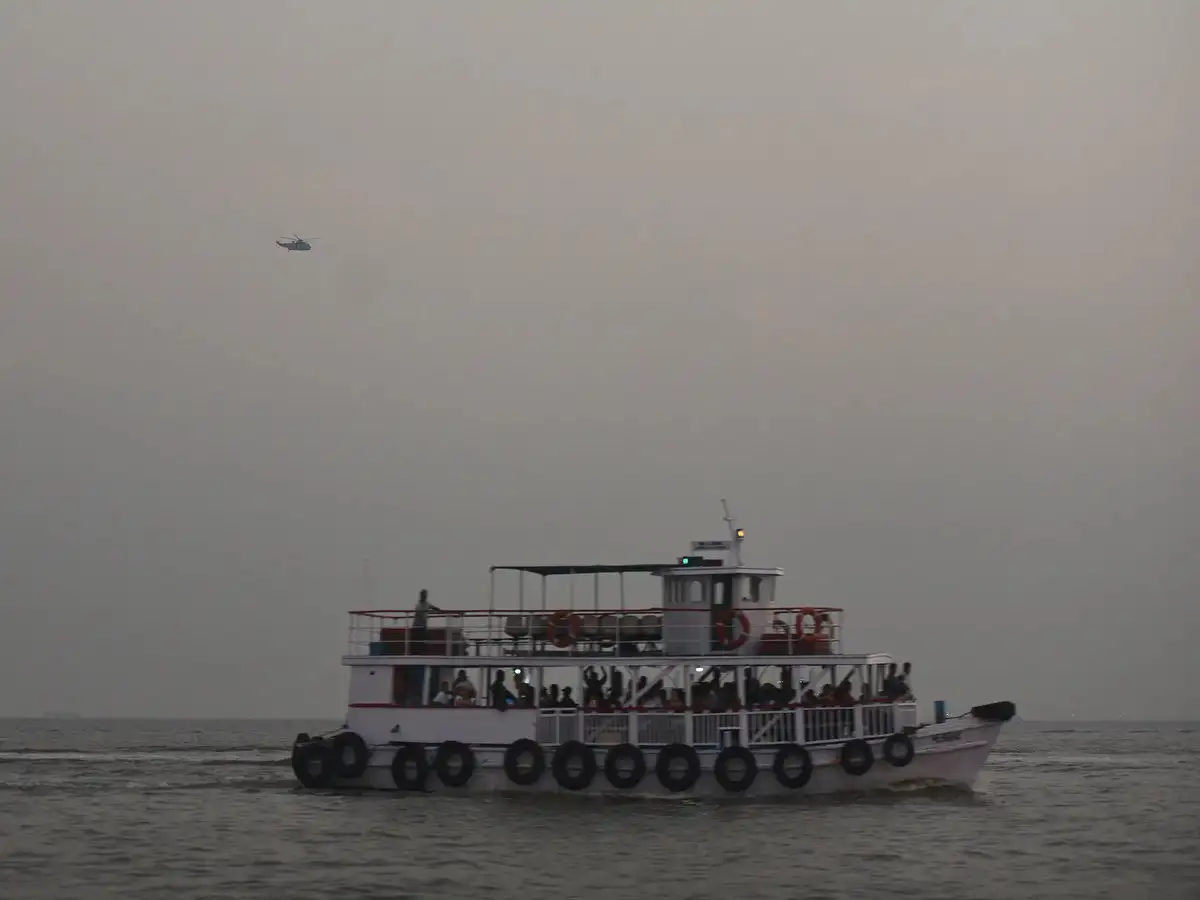
The Maharashtra Maritime Board (MMB) has intervened in a contentious waterfront development at Worli jetty, urging a pause on a proposed helipad to prioritise a water transport terminal that could become a key node in the Mumbai Water Metro network. The move highlights shifting priorities in coastal mobility planning as the city seeks to expand sustainable transport options amid rising urban congestion and evolving commuter needs.
The dispute centres on a plan by the Brihanmumbai Municipal Corporation (BMC) to partner with a private firm to build and operate a commercial helipad on the jetty under a public‑private partnership model. However, the MMB — the state agency tasked with managing maritime infrastructure — has urged the civic body to halt its expression of interest (EoI) process, arguing that the site is earmarked for a water transport hub under the burgeoning Mumbai Water Metroprogramme announced in the state budget. Officials from the maritime board contend that a detailed project report for the water metro — which aims to upgrade and construct dozens of waterways and terminals across the Mumbai Metropolitan Region (MMR) — identifies Worli jetty as a strategic transport terminal. The board’s assessment, supported by an audit conducted by IIT‑Bombay, found the jetty structurally suitable not only for water transport operations but also as an integrated multimodal access point connecting sea routes and potential emergency services.
The Water Metro initiative forms part of a broader strategy to diversify mobility options beyond road‑based systems that struggle under chronic congestion. A citizen charter published by the maritime board outlines plans for multiple passenger waterway routes that could carry millions annually if fully realised, potentially connecting destinations such as Bandra, Worli and Nariman Point via eco‑friendly boat services. But BMC officials have pushed back, questioning the feasibility of a full‑scale transport terminal at Worli given the proximity of the Mumbai Coastal Road, a high‑capacity urban grade‑separated corridor that flanks the jetty. The civic body argues that spatial constraints make it difficult to integrate large terminal facilities, leading it instead to pursue a helipad as the most workable option for utilising the site once it was freed from construction duties related to the coastal project.
This institutional tug‑of‑war reflects wider governance challenges in metropolitan infrastructure planning, where overlapping authorities and competing land‑use priorities can slow delivery of public amenities. Urban planners note that waterfront nodes, particularly jetties and piers adjacent to core transit corridors, can unlock additional mobility capacity if integrated thoughtfully with citywide networks — including rail, bus and non‑motorised transport.Beyond mobility, a water transport terminal at Worli could support more equitable access to coastal transit, especially for commuters in underserved zones and for trips toward commercial centres without adding pressure to already congested road networks. Analysts caution that without coordinated planning, piecemeal uses risk undercutting the potential for seamless multimodal hubs that strengthen urban mobility resilience.
For Mumbai — a linear megacity constrained by geography and surface road bottlenecks — the outcome of this debate may offer early signals of how coastal and waterway infrastructure will fit into the next generation of urban transport frameworks. Clearer policy alignment between maritime authorities, the civic body and transport agencies will be crucial if the water metro vision is to translate into operational services that benefit ordinary commuters.