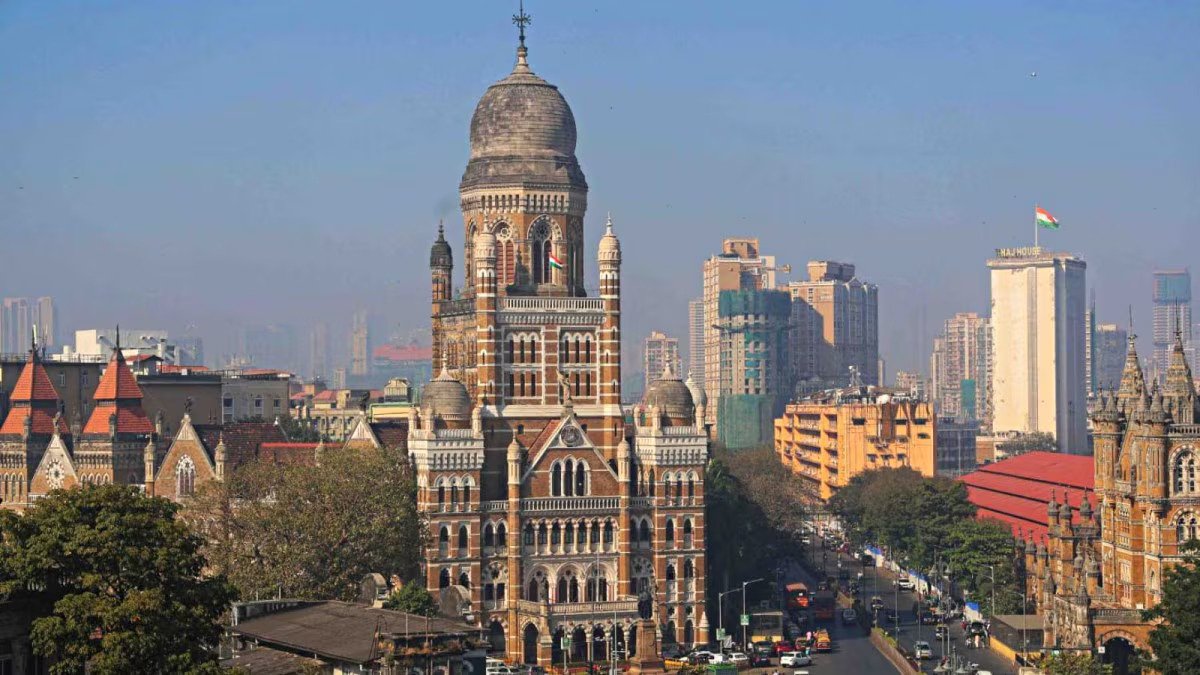
Mumbai BMC Enhances Civic Works Using Fixed Deposit Funds
In a significant fiscal decision anticipated to reshape the city’s infrastructure trajectory, the Brihanmumbai Municipal Corporation (BMC) has earmarked ₹12,000 crore from its fixed deposit reserves for urban development initiatives across Mumbai. Announced by a senior state official in the legislative assembly, the move underscores renewed institutional focus on expedited delivery of core civic services and public works amid rising urban pressures.
The funding shift comes against the backdrop of a pronounced increase in the civic body’s fixed deposits over the past decade. These reserves — built up as part of long‑term financial prudence — have grown from around ₹62,000 crore in 2017 to over ₹81,000 crore by early 2026, even after deployment for development projects in recent years. Urban affairs experts note that diverting such substantial liquidity towards infrastructure signifies a strategic pivot from asset accumulation to active urban transformation. “Municipal corporations hold large reserves, but converting them into visible citywide improvements is always a delicate balancing act,” says an urban finance specialist based in Mumbai. The allocation will likely support a range of initiatives, including road modernisation, drainage enhancements, and capacity upgrades in transit and public utilities.
In allocating these funds, policymakers also flagged the importance of safeguarding pension commitments for civic employees and retirees. Alongside infrastructure financing, the BMC has separately earmarked nearly ₹5,500 crore to cover pension obligations, aiming to avert future fiscal strain on personnel budgets. For a densely populated metropolis like Mumbai, where urban growth outpaces existing infrastructure, the effective use of reserves could mitigate longstanding bottlenecks. Strategic planning for transport corridors, pedestrian networks and stormwater systems are among the most pressing priorities for local planners. Independent assessments show that infrastructure gaps — from drainage networks that struggle during monsoon rains to congested road arteries — directly affect daily life and economic productivity.
However, municipal finance analysts caution that deploying fixed deposits, while necessary in some contexts, should be accompanied by transparent governance and rigorous project prioritisation. “Allocating funds is only the first step; ensuring quality execution, cost controls and climate resilience in project design is equally critical,” notes a city planning academic. This is particularly relevant as Mumbai’s urban fabric faces climate risks such as intense rainfall, coastal flooding and heat stress, making resilient infrastructure a non‑negotiable development imperative.
For citizens, the real test lies in the translation of funds into tangible outcomes: smoother mobility, reliable utilities, safer public spaces and strengthened social services. With the city poised to deploy a sizeable portion of its financial reserves, the coming municipal budget cycles will reveal whether this reallocation delivers equitable and sustainable improvements across neighbourhoods.