Maharashtra Gears Up Infrastructure For Kumbh Simhastha Event
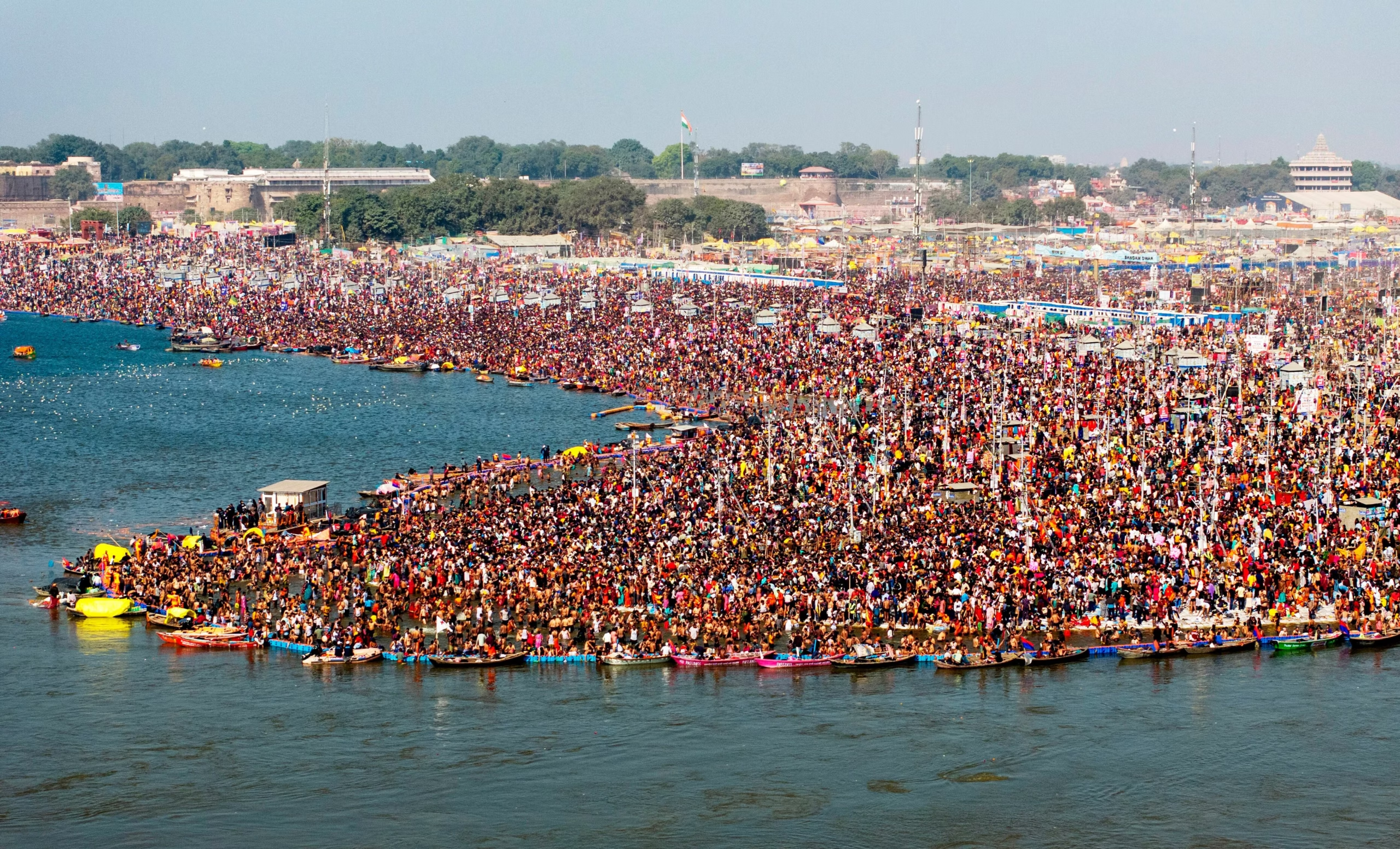
Maharashtra’s state government has moved to intensify infrastructure planning for the upcoming Nashik‑Trimbakeshwar Simhastha Kumbh Mela, an event expected to draw millions of pilgrims from across India and abroad. With the twelve‑year festival scheduled from October 31, 2026 to July 27, 2027, authorities are fast‑tracking connectivity, civic amenities, and service delivery to meet the scale of footfall and its wider implications for urban growth and economic activity.
At a high‑level review of the multi‑agency Kumbh committee, the state’s leadership outlined ambitious capital works that include road modernisation, transport access, sanitation upgrades, and digital services expansion. These interventions are designed not only for the immediate demands of the mela but also to strengthen Nashik’s long‑term urban fabric. Urban planners and civic officials say the scale of this pilgrimage places unique pressure on host cities. Historically, such mass gatherings necessitate rapid expansion of temporary and permanent infrastructure — from enhanced water and sanitation systems to health services and emergency management — effectively turning riverbank precincts into temporary cities. Investments of this nature often extend beyond the festival window, shaping city capacity for decades.
Maharashtra’s infrastructure blueprint reportedly spans tens of thousands of crores, covering ring roads and highway linkages that ease intra‑city and regional movement, alongside municipal services ranging from crowd management systems to mobile connectivity networks. Urban affairs specialists note that such public works can elevate Nashik’s connectivity to major economic corridors and potentially catalyse new business activity. The logistical complexity of the Simhastha Kumbh reflects broader trends in how large‑scale events intersect with sustainable city development. Authorities emphasise equitable access, safety protocols, and basic services — priorities that resonate with global efforts to host events that are inclusive and climate resilient. For example, planners are increasingly attentive to sanitation, waste management, and pedestrian safety at pilgrimage sites worldwide.
However, local government representatives have signalled that not all citywide needs are fully addressed by Kumbh‑linked investments. Requests for additional funding to improve internal roads, water infrastructure, and other everyday services highlight the tension between temporary event demands and ongoing civic requirements. For Nashik’s residents, the challenge will be balancing the pressures of a major cultural and religious gathering with sustained improvements in living standards. While the extended timeline provides some operational breathing space, the true test will lie in translating event‑driven capital expenditure into enduring public value that strengthens the city’s economic and social resilience.