Chandigarh Housing Board Flats To Get Rooftop Solar
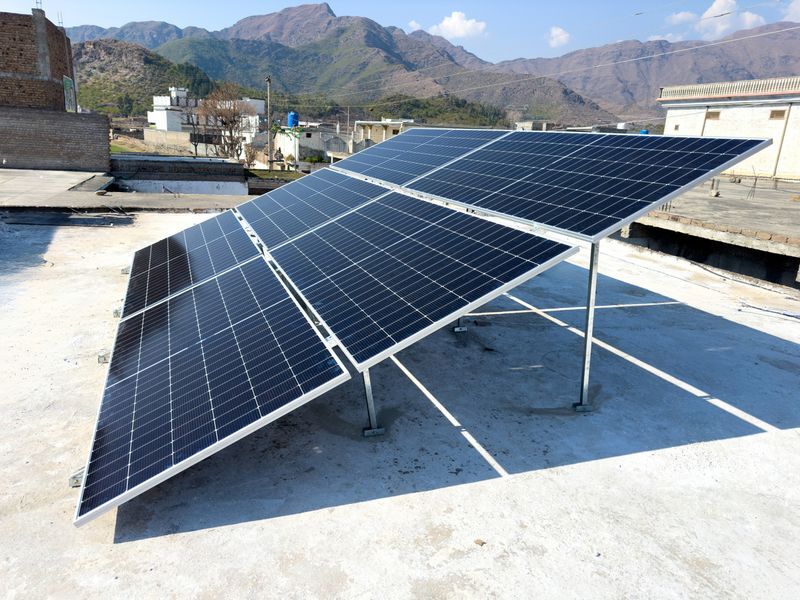
Chandigarh’s housing authority is preparing to integrate renewable energy into its residential infrastructure after senior administrators directed the Chandigarh Housing Board solar panels programme to begin installation across government-built flats in the city.
The directive follows a high-level review of the Chandigarh Housing Board’s functioning, where officials emphasised the role of public housing in supporting the Union Territory’s broader ambition of becoming a model solar-powered city. Authorities indicated that rooftop solar systems will be installed on Housing Board residential complexes to expand the use of clean energy within the city’s built environment. Urban energy planners say the Chandigarh Housing Board solar panels initiative reflects a shift in how municipal housing infrastructure is being integrated into climate-resilient urban planning. By utilising rooftops of existing residential blocks, cities can generate decentralised renewable power while reducing pressure on conventional electricity supply systems.
The installation programme is expected to be implemented in coordination with the city’s renewable energy agency, which has been working with local institutions to expand rooftop solar adoption across government properties. Such collaboration allows housing authorities to leverage technical expertise and financing models that reduce upfront costs while ensuring long-term operational efficiency. Chandigarh’s built environment already incorporates several regulatory measures encouraging solar adoption. Building bylaws and energy policies in the Union Territory have progressively promoted solar photovoltaic systems on residential and institutional structures as part of broader sustainability targets. However, scaling solar energy in multi-storey housing complexes has presented practical challenges.
In many Chandigarh Housing Board colonies, questions around terrace access rights, structural safety certification and shared infrastructure responsibilities have slowed implementation. Residents’ associations and policy experts have previously pointed out that resolving these regulatory and ownership issues is essential for enabling solar adoption across thousands of flats in the city. Urban development analysts note that public housing estates represent an untapped opportunity for renewable energy generation in Indian cities. Large residential clusters with shared rooftops can collectively produce significant volumes of solar power if supported by the right governance frameworks and financing mechanisms.
The Chandigarh Housing Board solar panels programme may also complement national clean energy initiatives that encourage households to generate their own electricity. Rooftop solar installations can lower electricity bills for residents while helping cities meet carbon reduction targets and improve energy resilience. For Chandigarh, which has long been considered one of India’s most carefully planned urban centres, integrating solar energy into housing infrastructure aligns with its broader sustainability goals. Expanding rooftop solar capacity across public housing complexes could help reduce the city’s dependence on conventional power sources while contributing to long-term climate commitments.
Officials indicate that implementation details—including installation models, structural assessments and coordination with residents—will be finalised in the coming months. If executed effectively, the initiative could transform thousands of government housing units into distributed clean-energy assets, demonstrating how residential planning and renewable infrastructure can work together to support a low-carbon urban future.