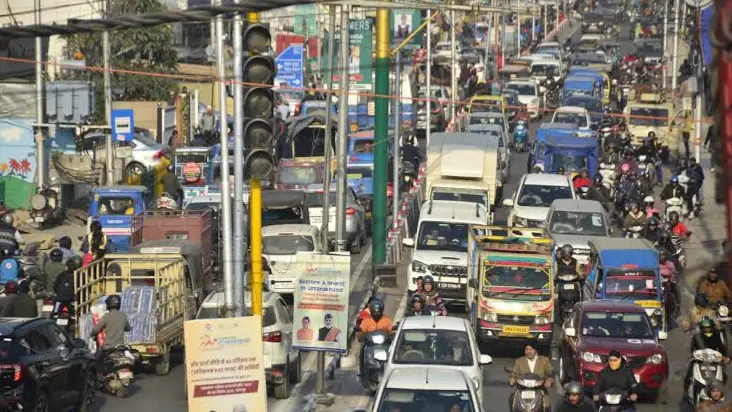
Patna Traffic Fine Reform Could Ease Urban Mobility
The Patna traffic fine settlement system could soon undergo significant changes after the High Court asked the Bihar government to introduce mechanisms that allow motorists to resolve multiple pending traffic penalties through bulk settlement.
The directive comes amid rising concerns over a growing backlog of unpaid traffic challans and the inefficiencies in the current enforcement and payment system. During the hearing of a public interest case, the court sought clarity from the state government on why a streamlined mechanism for settling multiple traffic fines simultaneously has not yet been implemented. Judges noted that the absence of such systems places an administrative burden on courts and enforcement agencies while also creating procedural difficulties for citizens attempting to clear pending violations.
The issue highlights a broader challenge facing rapidly growing cities such as Patna, where increasing vehicle ownership has led to a rise in traffic violations and digital challans issued through electronic enforcement systems. While e-challans have improved monitoring and transparency, thousands of minor violation cases remain pending due to fragmented settlement processes. Legal experts say mechanisms like bulk settlement or structured dispute resolution platforms could significantly reduce the backlog. Several states already use Lok Adalats, or people’s courts, to resolve routine traffic challan disputes quickly without lengthy legal procedures. Lok Adalats function as alternative dispute resolution forums where minor cases can be settled through negotiated agreements between parties, often reducing both legal costs and court congestion.
Their decisions are legally binding and recognised under India’s Legal Services Authorities Act, making them an efficient mechanism for handling high volumes of low-value cases. Transport planners believe the reform could also have wider implications for urban mobility governance. In cities experiencing rapid motorisation, enforcement systems must evolve beyond issuing fines to ensuring that penalties are efficiently processed and resolved. Simplified payment and settlement platforms can encourage compliance while reducing administrative costs for law enforcement agencies. Urban governance experts note that unresolved traffic penalties can undermine the effectiveness of enforcement regimes. If motorists accumulate multiple unpaid fines, compliance with road safety regulations may weaken, leading to persistent violations and increasing pressure on already congested city roads.
A structured Patna traffic fine settlement framework could therefore serve multiple goals: clearing pending cases, improving regulatory compliance and strengthening traffic management systems in the long term. Digital integration with e-challan platforms and legal settlement forums could further streamline the process. As Patna continues to expand as a regional economic and administrative centre, policymakers are under increasing pressure to modernise both transport infrastructure and regulatory systems governing urban mobility. Court-driven scrutiny of traffic enforcement procedures may push authorities toward faster adoption of digital governance tools and more efficient dispute resolution mechanisms.
The High Court has asked the state government to present a clear response on the proposed reforms, signalling that the issue of Patna traffic fine settlement could soon move from judicial observation to administrative policy action.