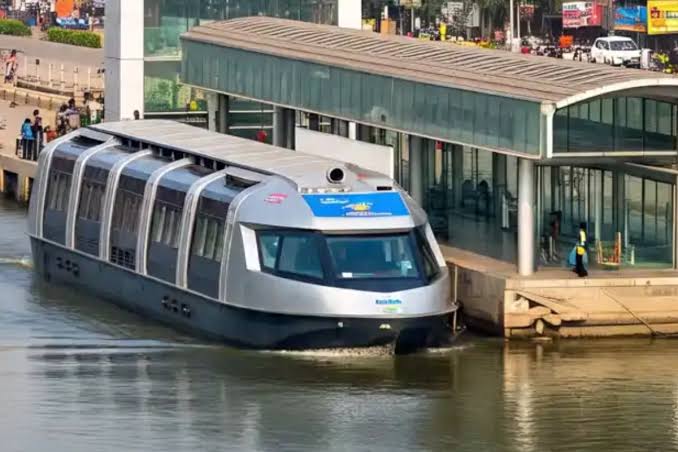
Patna Electric Ferry Hub Supports Green Water Transport
A new Patna electric ferry hub designed to supply shore-based power to battery-operated vessels has been launched along the Ganga, marking a significant step in India’s push toward cleaner inland water transport.
The facility enables electric ferries to recharge while docked, supporting a transition away from fossil-fuel-powered river transport and strengthening the city’s emerging water-based mobility network. The initiative forms part of a wider effort to modernise urban transport systems along India’s national waterways. The Patna electric ferry hub is expected to serve vessels operating under the city’s planned water metro and ferry services, which aim to provide commuters with an alternative to congested road corridors. By enabling on-shore charging, the system reduces reliance on onboard diesel generators and lowers operating emissions.
Urban mobility planners say such infrastructure is essential as cities explore waterways as a viable transit option. River-based transport systems can complement metro rail and bus networks by offering efficient east-west connectivity where road infrastructure faces constraints. In cities located along major rivers, ferries also present an opportunity to redistribute commuter traffic and shorten travel time. Patna has been identified among several Indian cities exploring electric ferry systems as part of broader inland water transport reforms. The city’s proposed water metro service along the Ganga includes modern vessels designed to carry around 100 passengers, with accessible facilities and low-emission propulsion technologies.
Experts say charging infrastructure like the Patna electric ferry hub is a critical component for scaling up electric vessels. Electric boats require reliable high-capacity shore charging to maintain operational schedules and ensure quick turnaround times between trips. Globally, shore power systems are increasingly used to support green shipping by allowing vessels to draw electricity directly from land-based grids while docked. Infrastructure economists note that inland waterways can significantly reduce freight and passenger transport costs while lowering carbon emissions compared with road transport. The expansion of electric ferries also aligns with national efforts to develop environmentally sustainable logistics corridors along India’s major river systems.
Beyond mobility, improved river transport infrastructure could reshape Patna’s urban waterfront. River terminals often become focal points for mixed-use development, including tourism, public spaces and small commercial hubs. Planners believe integrating ferry networks with public transport systems and pedestrian access along the riverfront could improve accessibility while reducing dependence on private vehicles. The development also signals growing interest in using rivers as part of India’s low-carbon transport strategy. Electric and hybrid vessels are increasingly being introduced in inland waterway projects across the country to cut fuel consumption and improve operational efficiency.
As urban populations grow and road congestion intensifies, policymakers see inland water transport as an underutilised resource in cities with navigable rivers. If implemented alongside integrated urban planning and resilient waterfront infrastructure, projects like the Patna electric ferry hub could help transform river corridors into sustainable mobility networks for the decades ahead.