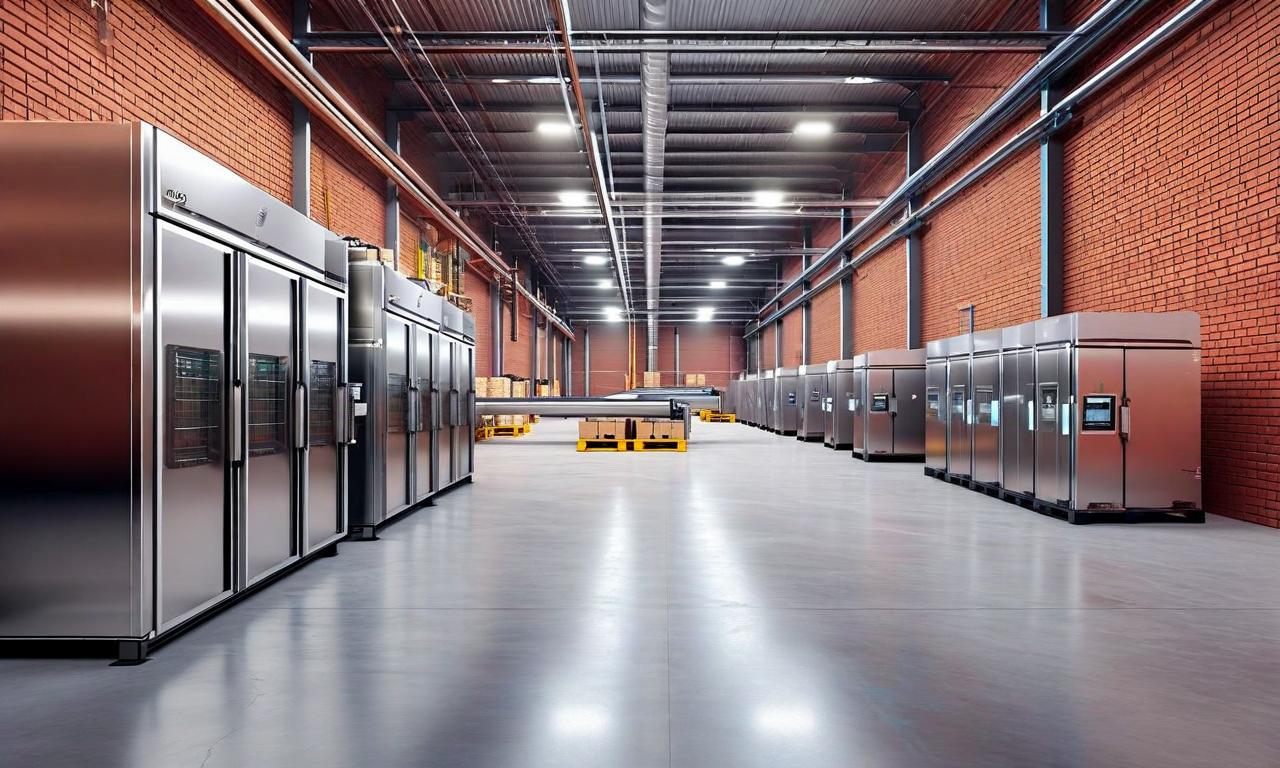
A new Patna cold chain warehouse with a storage capacity of 6,500 pallets is set to be developed in Bihar’s capital, signalling growing investment in temperature-controlled logistics across eastern India. The project is expected to become operational by early 2027 and aims to improve the storage and distribution of perishable goods, pharmaceuticals and food products across the region. The development reflects the rising importance of cold chain infrastructure as urban consumption patterns and organised retail demand expand.
The facility will be designed as a temperature-controlled logistics hub capable of handling a wide range of storage conditions, from deep-freeze to chilled environments. Infrastructure specifications indicate the warehouse will support temperatures ranging roughly between minus 25 degrees Celsius and 20 degrees Celsius, allowing it to manage multiple supply chains including frozen foods, fresh produce, and healthcare products.Logistics planners say the Patna cold chain warehouse will serve both Bihar’s domestic market and neighbouring consumption centres in eastern India. The region’s agricultural output particularly fruits, vegetables and fisheries has long suffered from post-harvest losses due to inadequate storage infrastructure.
Expanding cold storage capacity could help stabilise supply chains and extend product shelf life while enabling farmers to access wider markets. The warehouse is being developed through a built-to-suit infrastructure model in collaboration with a private developer, a structure increasingly used in India’s logistics sector to optimise capital deployment and customise facilities for specific operational requirements. Industry analysts note that eastern India is witnessing a gradual shift in logistics investment patterns. As expressways, freight corridors and urban markets expand across states like Bihar, Jharkhand and West Bengal, demand for modern warehousing is accelerating. Cold chain infrastructure in particular is emerging as a critical component of food security, pharmaceutical distribution and organised retail supply networks. For rapidly urbanising cities like Patna, temperature-controlled logistics facilities are becoming part of the broader urban infrastructure ecosystem. Efficient cold chains reduce food waste, lower supply volatility and support the growth of urban food systems that rely on steady distribution of perishable goods.Urban planners also highlight that logistics hubs located near emerging transport corridors can reshape regional economic geography. Warehousing clusters often attract ancillary activities such as packaging, food processing, distribution centres and transport services, creating employment and strengthening local industrial ecosystems. Across India, cold chain expansion is increasingly tied to sustainability goals. Modern warehouses typically incorporate energy-efficient refrigeration systems, insulation technologies and digital monitoring tools to reduce power consumption and product spoilage.
With consumption growth rising across tier-two cities and smaller urban centres, logistics experts say the success of projects like the Patna cold chain warehouse could influence how supply chains are designed across eastern India. If integrated with regional transport infrastructure and agricultural supply networks, such facilities may become critical nodes in the country’s evolving food and pharmaceutical logistics system.