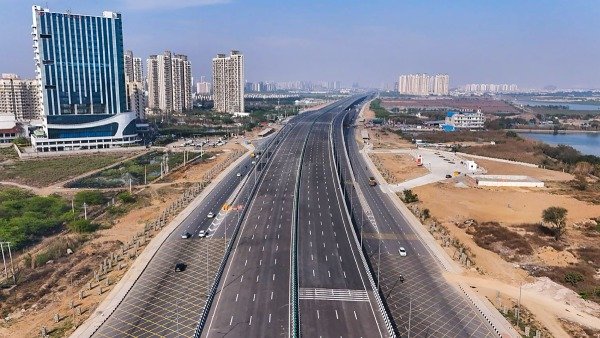
Bihar Expressway Plan Targets Faster Regional Connectivity
Bihar is considering a major expansion of its highway network through a Bihar six lane expressways proposal aimed at upgrading key transport corridors across the state.
The initiative, currently under government review, is expected to widen several strategic routes into six-lane highways to improve mobility, reduce travel time, and strengthen economic linkages between emerging regional hubs and the state capital. Officials involved in infrastructure planning indicate that the proposal forms part of a broader effort to modernise Bihar’s road ecosystem as traffic volumes increase across industrial and agricultural belts. The proposed Bihar six lane expressways framework focuses on transforming existing high-traffic routes into wider, high-capacity corridors capable of handling freight movement and inter-city passenger traffic more efficiently.
Transport planners say the move reflects a shift in how states are preparing for future urbanisation. As towns expand and logistics demand grows, two-lane and four-lane highways are increasingly becoming bottlenecks for freight mobility. Expanding these corridors to six lanes could significantly reduce congestion while enabling faster cargo movement between districts and neighbouring states. Several proposed expressway alignments are expected to link Patna with rapidly developing districts in north and east Bihar. Infrastructure experts believe such corridors could shorten travel time between major regional centres while creating new opportunities for industrial clusters, warehousing, and logistics parks. The improved connectivity could also support agricultural supply chains by allowing produce to reach urban markets more quickly.
Urban development specialists note that large road corridors increasingly influence settlement patterns. Wider expressways often trigger new townships, logistics hubs, and industrial estates along their alignment. If designed with service roads, public transport integration, and climate-resilient engineering, these corridors could also support more balanced urban growth beyond overcrowded metropolitan centres. Infrastructure economists say the economic implications extend beyond transport efficiency. High-capacity highways often attract private investment in manufacturing, logistics, and real estate because they reduce travel time and transport costs. In states with strong agricultural economies, better roads can also strengthen rural-urban market integration and improve access to healthcare, education, and employment.
However, planners emphasise that highway expansion must be accompanied by sustainable land-use planning. Expressway development without coordinated urban policy can lead to fragmented growth, unplanned settlements, and pressure on farmland. Integrating green buffers, stormwater management, and public transport corridors along new highways is increasingly seen as essential for climate-resilient infrastructure. Officials say the government is currently reviewing feasibility studies, traffic projections, and land acquisition requirements before finalising the alignment and implementation strategy. Funding options may involve a mix of state investment, central support, and public-private partnership models.
If executed strategically, the Bihar six lane expressways initiative could reshape mobility across eastern India, positioning the state as a more connected economic corridor between northern, eastern, and northeastern markets. The coming months are likely to determine how quickly the proposal moves from planning to construction.