


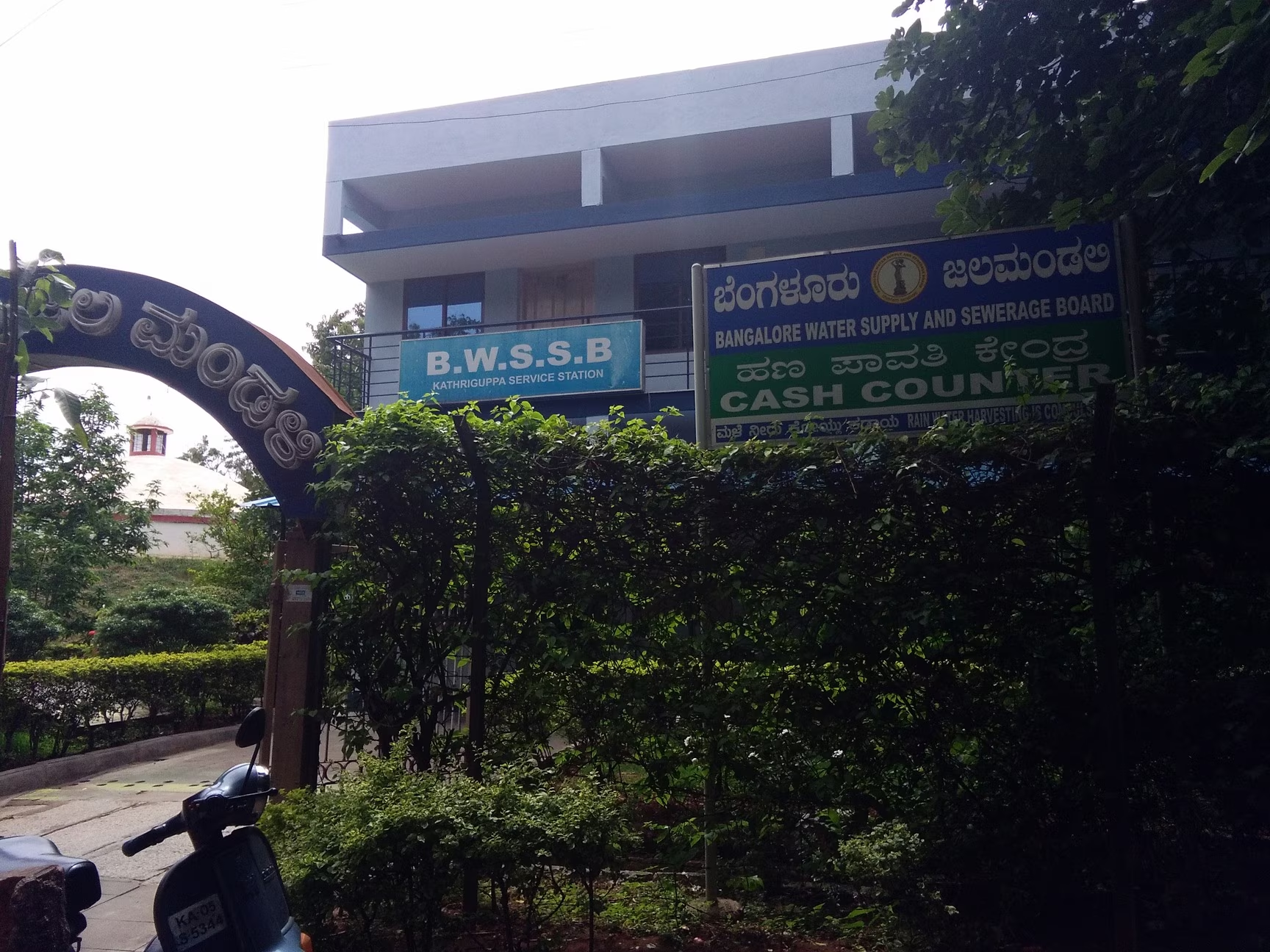
A recent BWSSB cyber attack targeting an online water connection portal in Bengaluru has prompted authorities to reassess digital security across critical urban utilities, highlighting the growing vulnerability of city infrastructure as public services move online.
Officials confirmed that the attempted breach was detected early and contained before sensitive consumer data could be compromised, preventing disruption to essential water services in one of India’s fastest-growing metropolitan regions.According to senior officials within the city’s water utility authority, the cyber intrusion was identified after a national cyber-security alert flagged suspicious activity within the portal used for new water connection applications. The system hosts limited information relating primarily to recent applicants rather than the complete database of customers, reducing the risk of widespread data exposure.Technical teams quickly isolated the affected platform and initiated emergency security protocols to contain the breach. Preliminary analysis suggests that while a portion of application data may have been accessed, critical personal or financial information remained protected within government-managed data centres that store the utility’s primary records.The BWSSB cyber attack underscores a broader challenge facing Indian cities as civic services become increasingly digitised. From water supply to building approvals and property tax systems, municipal platforms now handle vast volumes of citizen data. Urban planners say these digital systems are essential for improving efficiency, transparency and access, but they also introduce new cybersecurity risks that public agencies must continuously manage.
Industry experts note that utilities managing essential services—particularly water, electricity and transportation—have become prime targets for cyber intrusions globally. A disruption in these systems can affect daily life, economic activity and public health, especially in large cities where millions rely on uninterrupted service delivery.In response to the incident, authorities have transferred relevant portal data to more secure centralised servers while law enforcement agencies specialising in cybercrime have launched a formal investigation. Officials also confirmed that additional monitoring protocols and technical audits are being carried out to ensure similar vulnerabilities are addressed.The BWSSB cyber attack has also accelerated discussions within the utility about adopting advanced technologies to strengthen digital governance. Among the solutions under evaluation is blockchain-based infrastructure, which could provide tamper-resistant record-keeping and greater transparency in managing public service databases.Urban technology specialists say such upgrades could play an important role as cities expand their digital governance frameworks. Secure platforms are critical not only for protecting citizen information but also for enabling smarter urban planning systems that rely on real-time data—from water demand forecasting to climate-resilient infrastructure management.
For residents of Bengaluru, the swift containment of the breach has ensured that water supply operations remain unaffected. However, the episode serves as a reminder that safeguarding digital infrastructure is now as vital to city resilience as maintaining pipelines, treatment plants and reservoirs.As Indian cities continue investing in smart governance and data-driven services, strengthening cybersecurity across public utilities will likely become a central priority for building resilient and trustworthy urban systems.
Also Read:Bengaluru Cafes LPG Shortage Disrupts Restaurant Kitchens
