Bhubaneswar Cuttack Namo Bharat plan replaces metro push
A planned Bhubaneswar Cuttack rapid rail corridor is emerging as the Centre’s preferred solution for linking Odisha’s twin cities, signalling a shift away from a previously announced metro system. The move reflects a growing national emphasis on cost-efficient regional mobility networks that can expand urban connectivity while limiting public expenditure and accelerating infrastructure delivery.
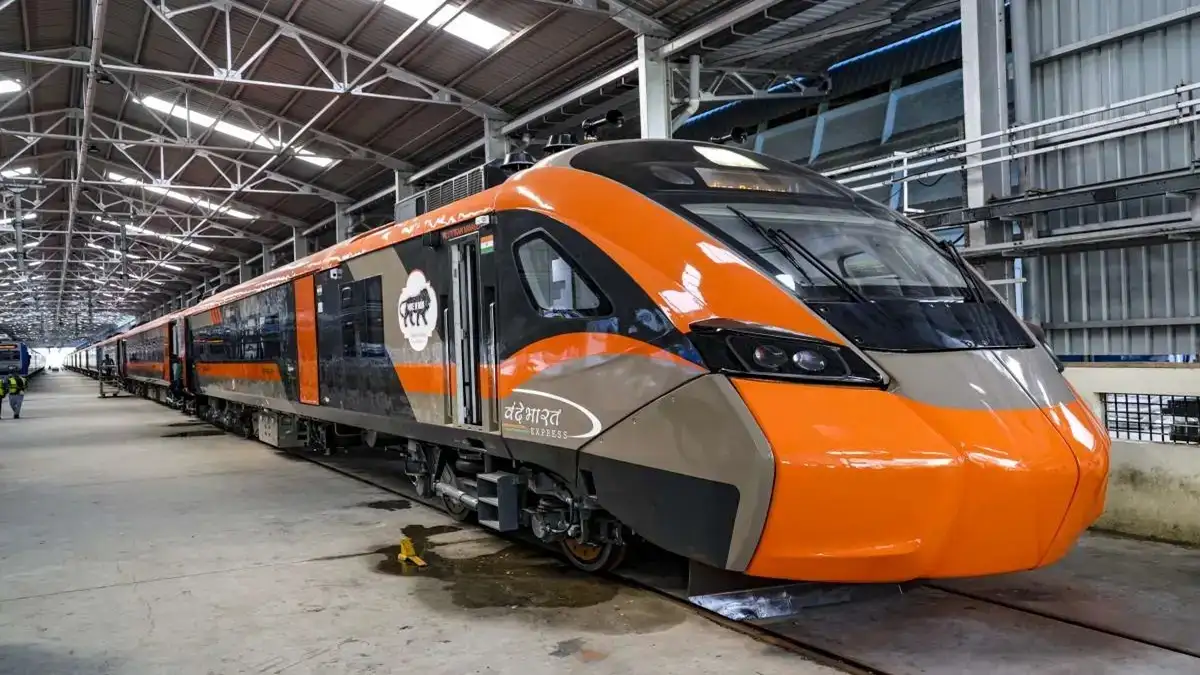
Officials familiar with the discussions say policymakers are evaluating the possibility of deploying semi-high-speed regional trains under the Namo Bharat model on a new rail alignment connecting the two cities. The approach would prioritise frequent, high-capacity services running at shorter intervals, potentially strengthening daily commuting across the urban corridor that forms the economic heart of coastal Odisha. The Bhubaneswar Cuttack rapid rail concept comes amid wider efforts to address mounting mobility pressures in India’s fast-growing secondary cities. Bhubaneswar and Cuttack together host a population exceeding two million and function as a shared administrative, educational and commercial hub. Despite their proximity around 25 kilometres apart—the corridor experiences heavy road congestion during peak hours as thousands commute between the cities for work and education. Transport planners note that a surface-level rail corridor could significantly reduce construction costs compared with an elevated metro system. Infrastructure experts involved in the discussions estimate that building conventional railway infrastructure costs only a fraction of metro construction, where extensive viaducts, stations and signalling systems drive up project budgets. For public authorities managing competing infrastructure priorities, such cost differences can be decisive. With urban India facing urgent needs across water systems, housing, transit and climate-resilient infrastructure, policymakers increasingly weigh affordability alongside mobility benefits when evaluating large transport projects.
The metro proposal linking Bhubaneswar and Cuttack had earlier been announced by the state administration as a flagship urban transit initiative. Plans included a multi-station corridor designed to connect key residential and commercial districts along the route. The project was projected to require several thousand crore rupees in capital investment and was positioned as a transformative addition to the region’s transport network. However, recent infrastructure planning discussions at the national level appear to favour regional rapid transit solutions for corridors where passenger demand may not justify the high capital cost of a metro. The Namo Bharat system initially introduced in the National Capital Region has emerged as a model for medium-distance urban clusters seeking faster commuter rail without the financial scale of metro rail construction.
Urban planners suggest that if implemented well, the Bhubaneswar Cuttack rapid rail network could reshape regional mobility patterns by encouraging a shift away from private vehicles. Faster rail services, integrated with bus and non-motorised transport systems, could also support more sustainable urban growth by reducing emissions and easing congestion along the corridor. The project’s final configuration including route alignment, station locations and funding structure remains under evaluation. For Odisha’s twin cities, the outcome will shape how one of eastern India’s most important urban regions manages mobility, economic growth and environmental sustainability in the decades ahead.