


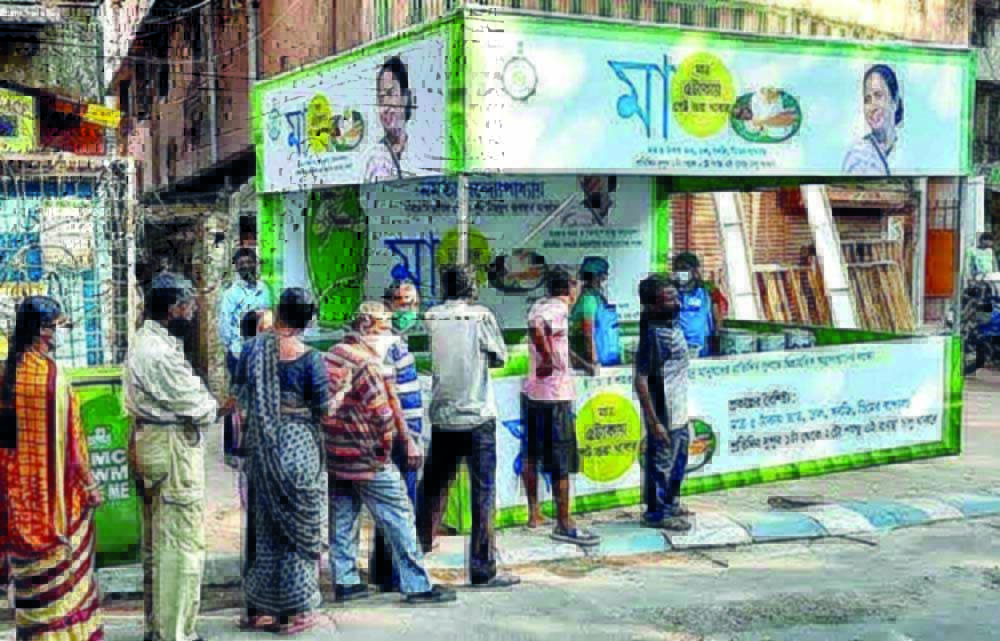
Kolkata’s civic authorities are examining a proposal from housing cooperatives and community organisations seeking permission to operate neighbourhood Maa Canteens, a move that could expand the reach of the city’s subsidised meal programme while strengthening local participation in urban welfare systems.
The proposal centres on enabling resident welfare groups and cooperative societies to manage or host additional outlets of the Maa Canteen network, which provides low-cost cooked meals for urban residents. If approved, the arrangement could widen access to affordable food in densely populated residential areas where daily wage earners, elderly residents and migrant workers often struggle to find economical meals.
Urban policy specialists say such partnerships reflect a broader shift in how Indian cities are delivering welfare services. Instead of relying solely on centralised civic management, municipalities are increasingly exploring collaborative models involving community institutions, local businesses and non-profit organisations.In Kolkata, the Maa Canteen network was initially introduced as a city-supported food access programme aimed at offering nutritious meals at highly subsidised prices. Over time, the initiative has evolved into an important component of the city’s social infrastructure, particularly in areas where economic vulnerability intersects with high living costs.Housing cooperatives in several neighbourhoods have now expressed interest in hosting these facilities within their premises or nearby community spaces. According to municipal officials familiar with the discussions, the proposal is being evaluated to determine whether cooperatives can meet operational standards related to food preparation, hygiene, procurement and pricing.
Urban governance experts note that cooperative participation could potentially help the Maa Canteen network expand without placing additional pressure on municipal staffing or infrastructure budgets.
Many residential complexes already maintain kitchens, community halls and shared facilities that could be adapted for meal distribution if regulatory safeguards are maintained.The idea also reflects a wider conversation about strengthening neighbourhood-level resilience in cities. Access to affordable meals, especially in dense metropolitan environments, is increasingly viewed as part of essential urban services, alongside water supply, sanitation and public transport.Economists studying urban food security say such programmes play an important role in stabilising household expenses for informal workers and low-income residents. When implemented effectively, subsidised meal schemes can also support local supply chains by sourcing ingredients from nearby markets and small-scale vendors.At the same time, officials emphasise that any expansion of the Maa Canteen network would require strict oversight. Municipal authorities are assessing whether cooperative-run facilities could maintain consistent quality standards, adhere to pricing rules and integrate with the city’s broader welfare delivery mechanisms.For Kolkata, the discussions come at a time when many Indian cities are exploring new governance frameworks that combine municipal leadership with community-based participation. If implemented carefully, the cooperative model could help extend the reach of essential urban services while reinforcing the role of local institutions in managing shared civic resources.
City planners say the outcome of these consultations may shape how Kolkata balances social welfare programmes with long-term urban sustainability goals, particularly in neighbourhoods where inclusive access to food and services remains a critical concern.
Also Read:Kolkata Salt Lake Water Tank Upgrade Improves Supply
