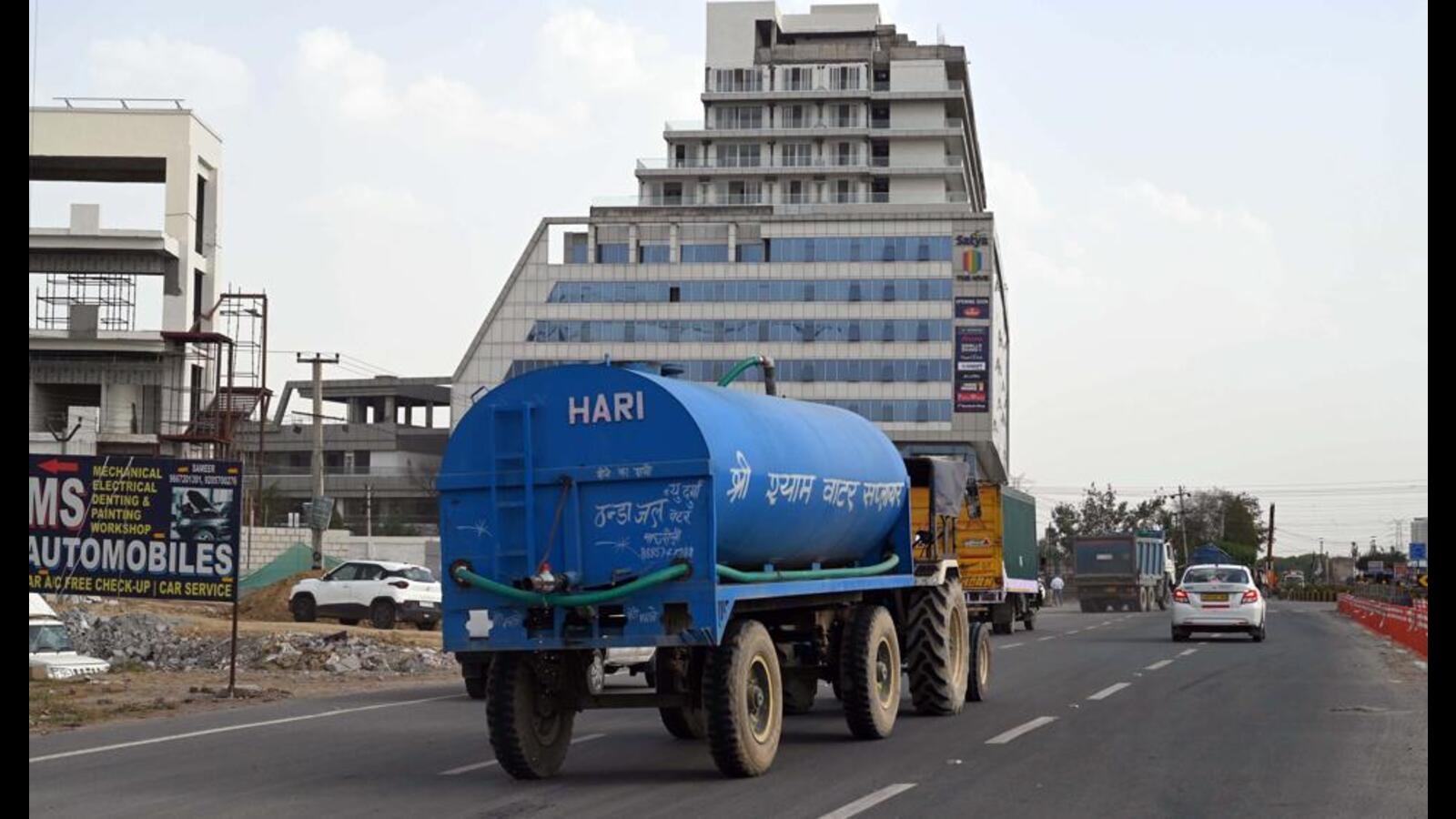
Gurugram Targets Illegal Water Connections In Utility Enforcement Drive
Municipal authorities in Gurugram have intensified enforcement against illegal water connections, disconnecting dozens of unauthorised links to the city’s drinking water and sewer networks during inspections in industrial and residential pockets. The action forms part of a broader effort to protect municipal infrastructure, ensure fair access to public utilities, and prevent overuse of already stressed urban water systems. According to civic officials overseeing the operation, inspection teams recently conducted checks across several locations including the Daulatabad industrial cluster and nearby residential settlements. During the drive, authorities identified and removed multiple illegal water connections that had been installed without municipal approval, including those serving commercial and industrial establishments.
Among the unauthorised infrastructure dismantled was a high-capacity bulk water line supplying a large volume of water to private premises. Several additional connections linked to commercial activity were also disconnected, alongside sewerage lines that had been installed without proper permissions. Officials said such practices place an unfair burden on the city’s public utility network while bypassing regulatory procedures meant to ensure equitable resource distribution. Urban infrastructure specialists note that illegal tapping into water supply networks is a persistent issue in rapidly expanding cities. Unauthorised connections not only reduce revenue for municipal bodies but can also disrupt pressure levels in the distribution system, affecting supply to legally connected households. In densely populated regions like Gurugram, such disruptions can lead to uneven water availability, particularly during peak demand periods. Authorities also indicated that inspections revealed cases where earlier disconnections had been reversed by users who reattached unauthorised pipelines after previous enforcement actions. This pattern has prompted municipal teams to strengthen monitoring efforts and carry out repeated inspections in areas known for utility misuse.
From an urban governance perspective, controlling illegal water connections has implications beyond revenue protection. Experts highlight that unregulated extraction can strain groundwater resources and increase stress on treatment and pumping infrastructure. Maintaining an accountable utility network is therefore essential for sustainable water management in cities experiencing rapid population growth. In parallel with enforcement measures, the municipal administration has introduced a digital application system designed to simplify the process of obtaining legitimate water and sewer connections. Through the online platform, residents and businesses can submit requests using property identification details and standard identity documentation. Officials say the system aims to reduce bureaucratic delays while encouraging compliance with municipal regulations. Urban planners suggest that transparent service systems combined with strict enforcement can help cities improve infrastructure governance. When residents and businesses have easier access to authorised services, the incentive to resort to informal or illegal connections tends to decline.
For Gurugram, where industrial development and high-density residential projects continue to expand, maintaining a reliable and equitable water supply network remains a critical governance challenge. Authorities have indicated that inspection drives targeting illegal water connections will continue in different parts of the city as part of ongoing efforts to safeguard urban utility infrastructure.