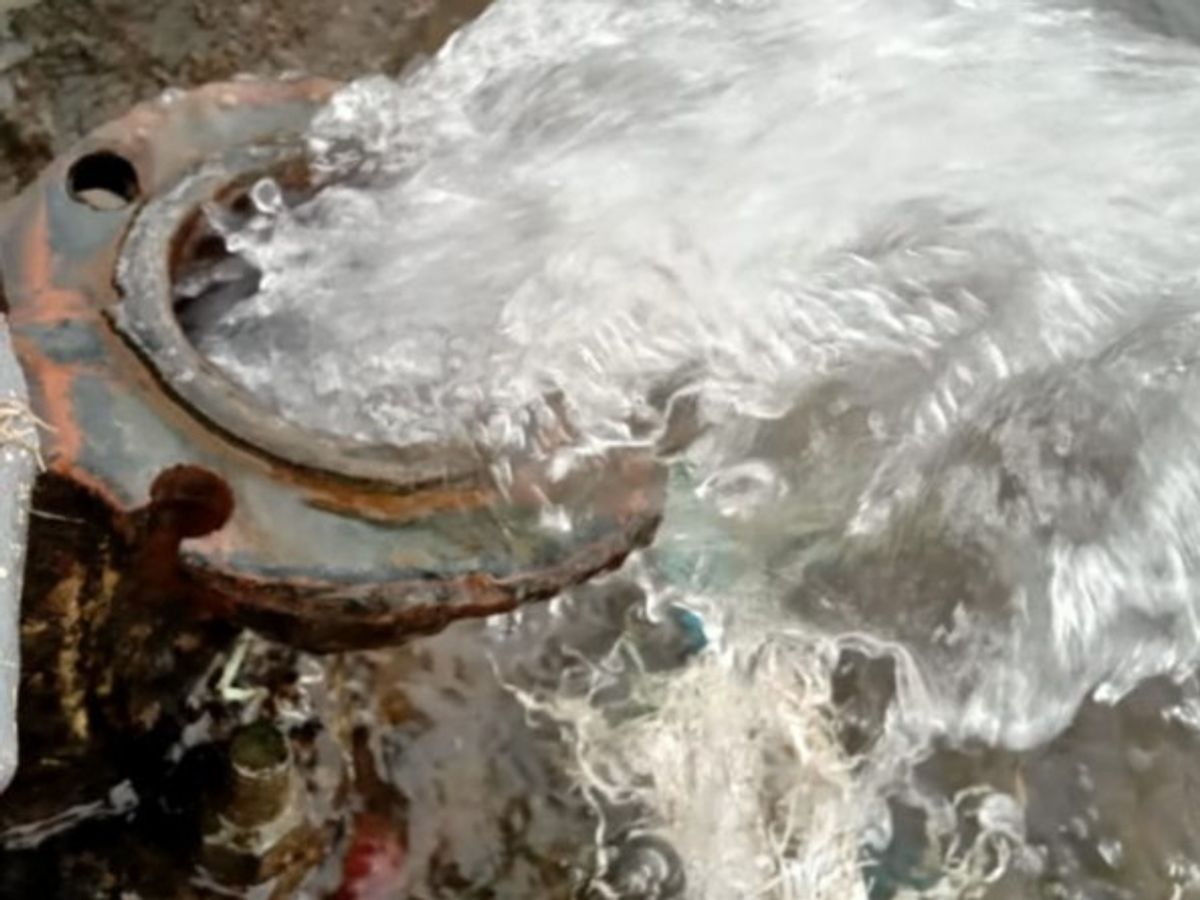
Bhopal Declares Water Scarcity Halts Borewell Drilling
Authorities in Bhopal have imposed an immediate ban on private borewell and tubewell drilling across the district after officially declaring the area water-deficient, signalling growing concerns about falling groundwater reserves ahead of the peak summer months. The decision reflects mounting pressure on urban water systems as climate variability, rising demand and unregulated extraction continue to strain India’s rapidly expanding cities.
Under the order, any individual or private entity seeking to drill a borewell must first obtain permission from the district administration. Officials have also restricted the movement of drilling equipment within the district unless it is authorised for approved projects. Enforcement agencies have been empowered to seize unauthorised drilling machinery and initiate legal action if the rules are violated. The move comes weeks earlier than similar seasonal restrictions implemented in previous years, highlighting the speed at which groundwater levels are declining. According to administrative officials, monitoring data indicated an accelerated drop in aquifer levels across both urban and peri-urban zones, prompting authorities to act before the most intense summer heat arrives.
Officials warn that uncontrolled extraction for commercial, agricultural and residential purposes has intensified pressure on underground water reserves. In many neighbourhoods on the expanding edges of Bhopal, groundwater has become the primary source of supply due to gaps in piped municipal infrastructure. Urban planners say such reliance can destabilise local aquifers if drilling activity is not regulated. The Bhopal water scarcity order places responsibility on local administrative and policing units to enforce the restrictions. Individuals found carrying out unauthorised drilling could face financial penalties or imprisonment under provisions of the Madhya Pradesh Drinking Water Conservation Act 1986, which enables authorities to restrict groundwater extraction in notified areas. While the ban applies to private drilling activities, government-led water infrastructure projects remain exempt. Work undertaken under public drinking water schemes and projects implemented by the state’s public health engineering department can continue without additional clearances.
Urban development experts say the Bhopal water scarcity order reflects a broader challenge facing Indian cities: managing groundwater sustainably while urban populations expand. Rapid real estate growth, rising household consumption and climate-driven heatwaves are pushing many cities toward greater reliance on groundwater, even as recharge rates decline. Across central India, urban planners are increasingly advocating measures such as rainwater harvesting, aquifer recharge systems, and tighter monitoring of private borewell activity. Integrating groundwater management into city planning, they say, will be critical for ensuring long-term water security and climate resilience. For residents and businesses, the immediate implication is stricter oversight of groundwater extraction until the end of June, when authorities are expected to reassess local water conditions. In the longer term, the decision underscores the growing importance of sustainable urban water management as Indian cities prepare for hotter summers and increasing resource stress.