


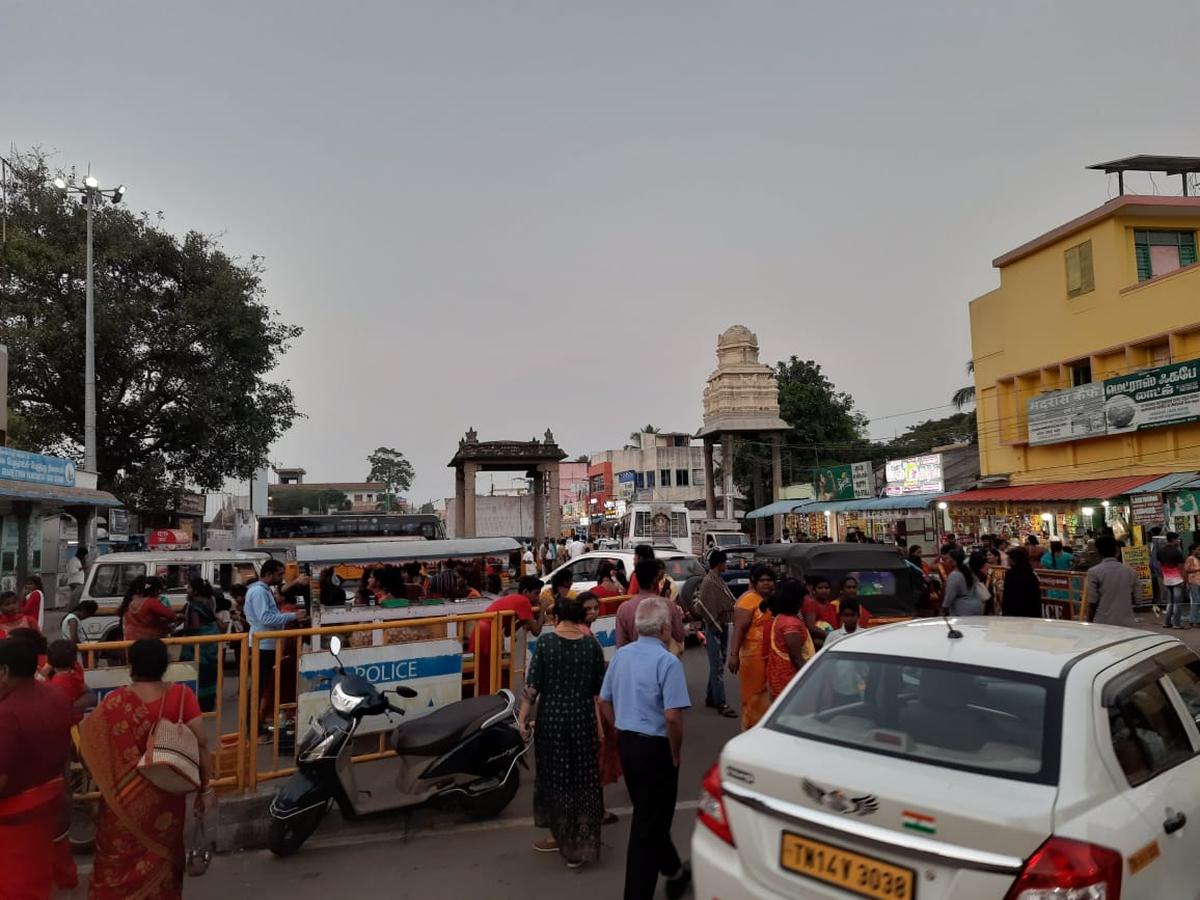
Authorities responsible for safeguarding historic monuments along the Chennai–Mamallapuram coastal corridor have called for stronger traffic management measures around the ancient temple complex, warning that increasing vehicular movement near heritage structures could pose long-term risks to conservation efforts.
The proposed Mamallapuram traffic regulation plan focuses on limiting vehicle movement in sensitive zones surrounding the historic monuments, many of which date back more than a millennium. Officials overseeing heritage protection say controlling congestion and reducing vibration from heavy traffic is necessary to preserve fragile stone carvings and structural elements that form part of the site’s global cultural significance.
Mamallapuram, located about 60 kilometres south of Chennai along the East Coast Road, attracts large numbers of tourists each year due to its cluster of rock-cut temples and sculptural monuments. The town is also a designated UNESCO World Heritage site, making preservation of the area a national and international priority.However, the rapid growth of tourism and road traffic along the coastal corridor has created increasing pressure on infrastructure around the heritage precinct. Vehicles, including tourist buses and private cars, frequently move close to monument clusters, creating congestion and raising concerns about long-term environmental impacts on the site.Urban conservation specialists say the Mamallapuram traffic regulation initiative reflects a broader challenge faced by historic cities worldwide — balancing heritage preservation with growing tourism and mobility demands. Managing vehicle access, creating pedestrian-friendly zones and improving visitor circulation are commonly used strategies to protect sensitive historic environments.
Transport planners familiar with the issue note that the East Coast Road has become one of Tamil Nadu’s busiest coastal routes, connecting Chennai with major tourism destinations along the Bay of Bengal. Increased road traffic has helped boost regional tourism economies but has also intensified pressure on small historic towns such as Mamallapuram.Experts argue that well-designed traffic management strategies could improve both heritage protection and visitor experience. Restricting vehicle movement near monuments while providing organised parking zones and pedestrian corridors may help reduce congestion while maintaining convenient access for tourists.The Mamallapuram traffic regulation proposal also aligns with wider discussions on sustainable tourism and climate-sensitive urban planning. Reducing vehicular emissions and limiting traffic density in heritage zones can help protect fragile landscapes while encouraging environmentally responsible travel practices.Urban planners emphasise that protecting historic precincts requires coordination between heritage authorities, local government bodies and transport agencies. Without integrated planning, rising visitor numbers and uncontrolled traffic movement can gradually erode the cultural and environmental value of heritage sites.
Officials involved in the discussions say the next step will involve consultations with state government departments responsible for transport and urban development. The goal is to develop a traffic management framework that protects monuments while ensuring safe and efficient mobility for residents and visitors.
As Chennai’s coastal tourism corridor continues to grow, the success of the Mamallapuram traffic regulation plan may become an important example of how historic destinations can adapt to modern mobility pressures while preserving their cultural legacy for future generations.
Also Read: Chennai Velachery Overpass Project Seeks Faster Implementatio
