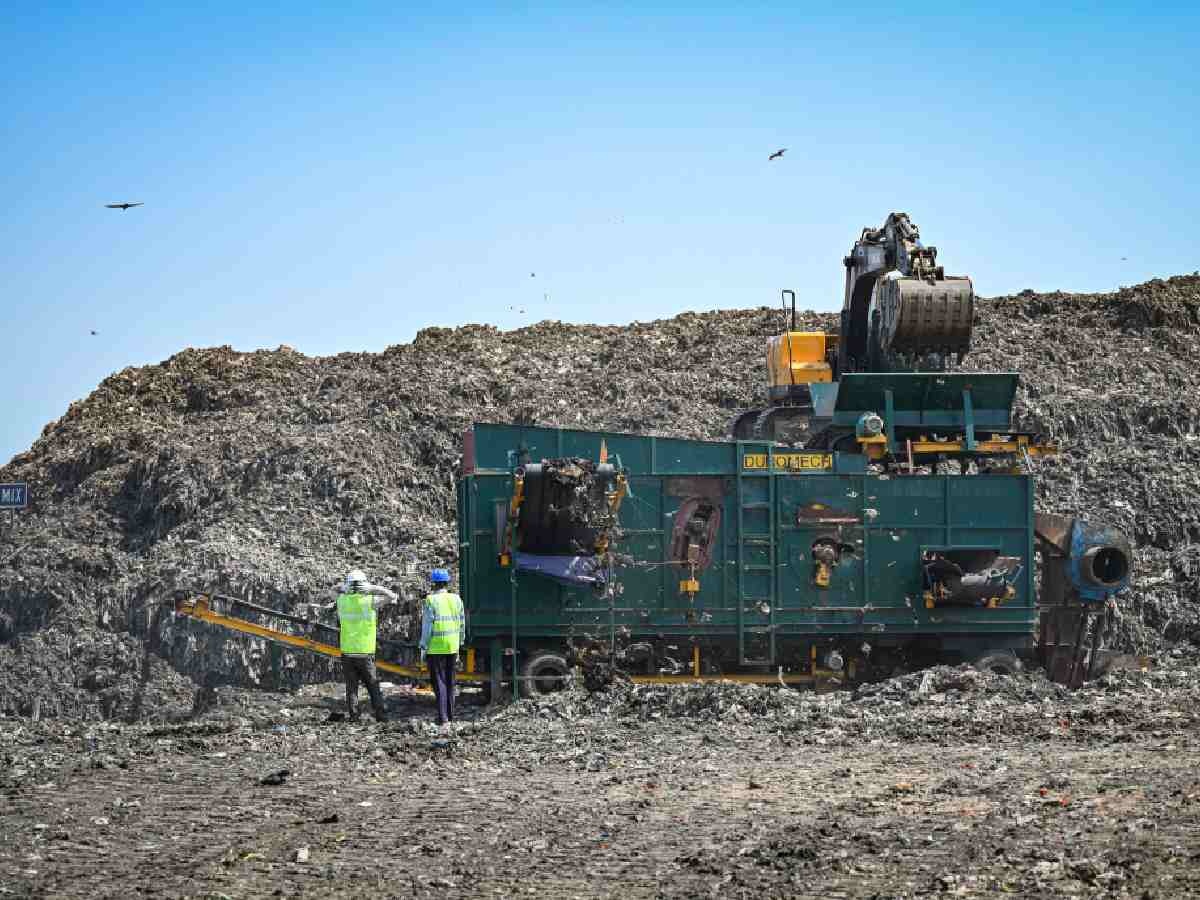
Delhi Plans New Bhalswa ISBT On Reclaimed Landfill Site
Delhi authorities are moving ahead with plans to establish a new inter-state bus terminal on land reclaimed from the Bhalswa landfill, signalling a shift in how the city repurposes degraded urban spaces for transport infrastructure. The proposed hub, planned on nearly 20 acres of reclaimed land in north Delhi, is expected to strengthen regional bus connectivity while addressing long-standing pressures on the capital’s transport network. Urban development officials indicate that the proposed Bhalswa ISBT project aims to serve passengers travelling between Delhi and several northern states, particularly those entering the city from highways connecting neighbouring regions. By creating a new terminal in the northern corridor, planners expect to redistribute passenger traffic currently concentrated at existing inter-state bus facilities.
Transport analysts note that expanding terminal capacity is becoming increasingly necessary as metropolitan populations grow and intercity mobility rises. Delhi’s current bus terminals handle large volumes of passengers daily, often operating beyond their design capacity during peak travel seasons. The new terminal also represents an unusual urban redevelopment strategy: converting former landfill land into public transport infrastructure. Bhalswa is one of the capital’s largest waste dumping grounds and has been undergoing phased waste removal and land recovery efforts. Officials say transforming part of the reclaimed site into a transport hub could demonstrate how cities can reclaim environmentally degraded land for public use. Urban planners say projects such as the Bhalswa ISBT project highlight the intersection between waste management reform and urban land reuse. Large landfill sites occupy valuable land within metropolitan boundaries, and reclaiming these spaces for infrastructure, housing or green areas is increasingly viewed as a sustainable urban strategy. The transport initiative forms part of a broader plan to modernise the capital’s public mobility systems. Authorities are simultaneously expanding the electric bus fleet, with hundreds of additional zero-emission buses expected to join operations in the coming months. Officials estimate that the city’s electric bus fleet could grow substantially within the year as procurement and infrastructure upgrades accelerate.
Supporting infrastructure is also being expanded to accommodate the shift towards electric mobility. Charging facilities are already operational at several bus depots across the city, while additional depots are being equipped with charging systems to support the growing fleet. Urban transport experts say depot infrastructure is often the most critical factor in scaling electric public transport. Alongside the Bhalswa development, authorities are planning new bus depots along emerging urban corridors where residential and commercial development is expanding. One such facility is expected to be established along the Urban Extension Road corridor to support growing travel demand in newly urbanising districts. Modernisation of transport infrastructure also includes new automated vehicle testing centres that are expected to streamline compliance and safety checks for commercial vehicles operating within the capital. Meanwhile, Bhalswa remains part of a larger environmental challenge. The city is working to clear and remediate three major landfill sites that have long symbolised Delhi’s waste management crisis. Reclaiming these areas could open new possibilities for urban infrastructure, housing and public amenities.
If implemented effectively, the Bhalswa ISBT project could demonstrate how cities facing land scarcity and environmental degradation can simultaneously improve mobility and restore neglected urban landscapes.