Delhi Metro Upgrades Escalator Systems At Key Blue Line Stations
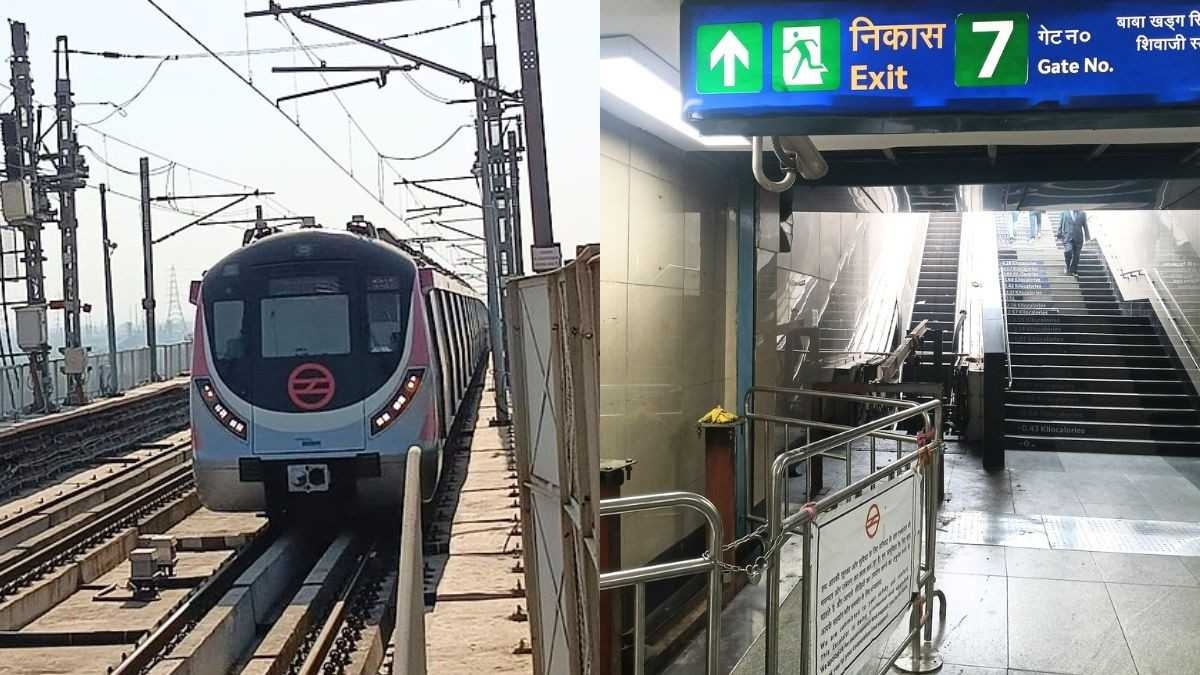
Routine infrastructure upgrades across Delhi’s mass transit network have temporarily taken several escalators out of service at select stations along the Blue Line, as the city’s metro operator undertakes scheduled engineering work aimed at maintaining passenger safety and operational reliability. Authorities have advised commuters to rely on station lifts while the upgrades are underway. The current round of Delhi Metro escalator maintenance is being carried out at three busy stations in the eastern part of the city. At two locations, the escalators linking the platform level to the concourse are undergoing technical servicing, while another station is witnessing maintenance on the unit connecting the concourse with an adjacent platform. During this period, the affected escalators will remain temporarily closed to passengers.
Transit officials say the intervention forms part of a wider maintenance cycle designed to manage the mechanical stress experienced by equipment in a high-capacity urban rail system. With millions of passengers using the metro network daily, moving infrastructure such as escalators and lifts require periodic inspection, component replacement and calibration to ensure safe operations. Engineers familiar with metro systems explain that escalators in large transit networks face significant operational pressure due to continuous movement and heavy passenger loads. Components including motors, handrail systems, step chains and braking mechanisms require systematic testing and servicing to reduce the risk of mechanical failure. The Delhi Metro escalator maintenance programme is also intended to support accessibility across the network. Station lifts remain operational at the affected stations to allow commuters to travel between levels without interruption. Transport planners note that lifts are particularly important for elderly passengers, people with disabilities and travellers carrying luggage or pushchairs.
Urban mobility experts say regular maintenance of vertical circulation systems—such as escalators, lifts and staircases—is critical in ensuring metro stations remain inclusive and efficient public spaces. As passenger numbers increase across Indian metro networks, the reliability of such infrastructure plays a central role in commuter safety and travel comfort. Delhi’s metro system is among the largest urban rail networks in Asia, serving several million riders each day. Stations located on the Blue Line, which connects key residential and employment districts, experience especially high footfall during peak hours. Maintenance schedules are therefore often staggered or carried out in phases to minimise disruption to daily commuting patterns. Transport planners also emphasise that preventive maintenance is far less disruptive and costly than emergency repairs following equipment breakdowns. Upgrades carried out during routine inspection cycles allow transit agencies to detect potential faults early and extend the operational lifespan of equipment. While temporary inconvenience may occur for passengers using the affected stations, officials say the work reflects the ongoing challenge of managing infrastructure reliability in a rapidly expanding metropolitan transit system.
As Delhi continues to invest in public transport to reduce congestion and emissions, maintaining the quality and safety of metro infrastructure will remain central to supporting a more sustainable and accessible urban mobility network.