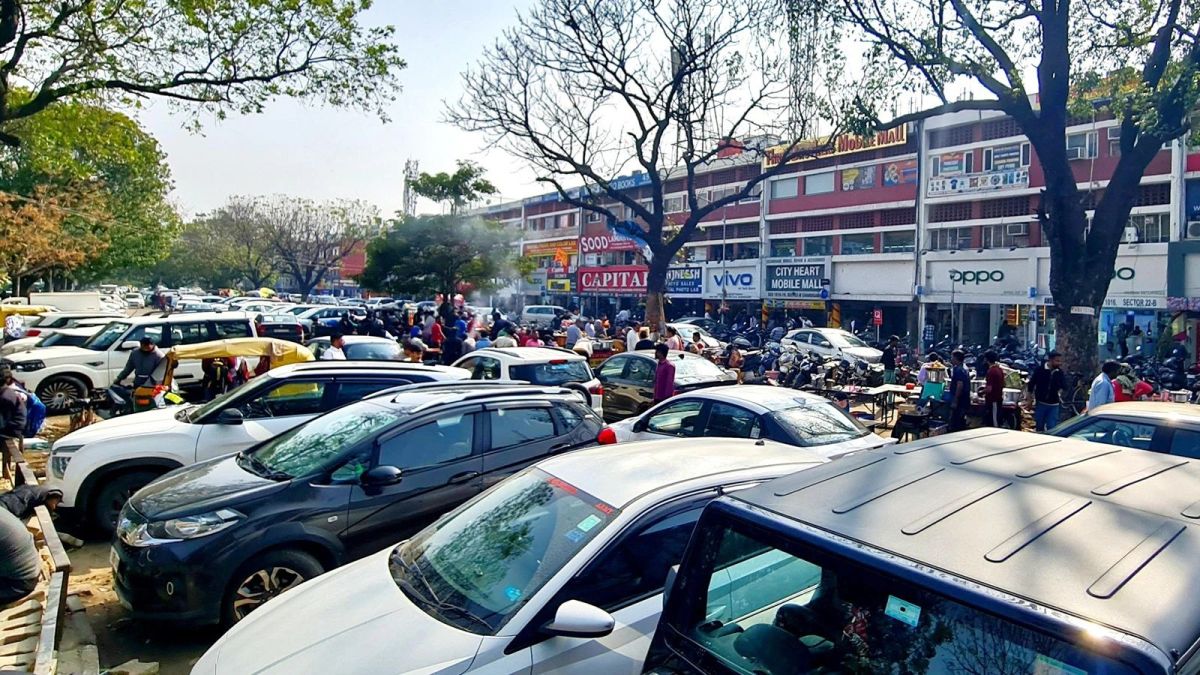
Chandigarh Parking Pass Plan Targets Urban Mobility
Chandigarh: The Municipal Corporation of Chandigarh has expanded its digital parking framework by introducing quarterly, half-yearly and annual subscription passes for vehicles across city-managed parking locations.
The initiative aims to simplify daily parking for commuters while improving transparency and efficiency in the city’s paid parking system. The new passes build upon the existing “MC One Pass” digital platform, which was launched earlier to provide citywide parking access through a single monthly subscription. Under the updated structure, motorists can now opt for longer-duration passes that reduce the effective cost of parking while offering unlimited access to designated municipal parking facilities.
According to municipal data, the annual pass for four-wheelers has been set at ₹4,200, while two-wheelers can obtain a yearly pass for ₹2,100. Half-yearly passes cost ₹2,200 for cars and ₹1,100 for two-wheelers, while quarterly options are priced at ₹1,200 and ₹600 respectively. The pricing structure offers lower monthly costs compared with short-term passes, encouraging regular commuters to shift toward subscription-based parking. The passes are valid across all parking lots operated by the municipal corporation, including prominent commercial and recreational areas such as Sector 17 Plaza, Sector 22 and Sector 35 markets, Sukhna Lake and other high-traffic locations. This citywide validity eliminates the need for multiple parking payments across different areas, a common inconvenience faced by daily commuters.
Urban mobility planners say subscription-based parking systems can play a key role in improving traffic management in growing cities. Digital passes reduce manual cash collection, improve revenue transparency and minimise leakages often associated with traditional parking systems. The system also generates reliable usage data that can inform urban planning decisions related to parking supply, traffic flows and commercial activity. The initiative reflects a broader shift toward technology-enabled urban services. Chandigarh’s parking system is increasingly moving toward cashless transactions and QR-code-based access, allowing motorists to register, renew passes and access parking facilities digitally.
For city administrators, parking reforms are becoming an important component of urban mobility policy. As vehicle ownership continues to rise across Indian cities, demand for structured parking and transparent management systems is intensifying. Subscription models can help stabilise parking demand, reduce congestion caused by vehicles searching for parking spaces and streamline enforcement. Urban design experts also emphasise that parking policies must balance convenience with sustainability goals. Well-managed parking systems can discourage chaotic roadside parking and free up public space for pedestrians, cycling lanes and urban greenery—key elements of people-centric city planning.
In Chandigarh, where planned urban layouts already emphasise organised transport corridors and sector-based zoning, digital parking systems could further strengthen mobility management. As adoption of the new passes expands, the initiative is expected to reshape how residents interact with the city’s parking infrastructure while supporting a more transparent and technology-driven urban governance model.