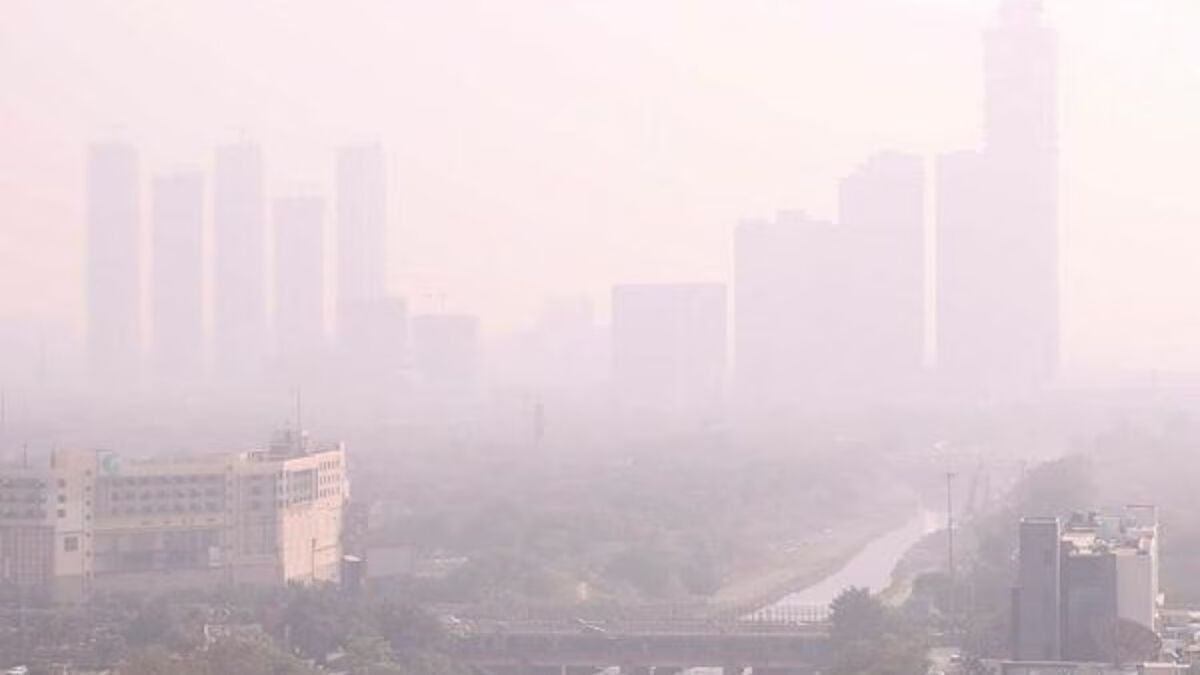
Lucknow: Several major cities across Uttar Pradesh are witnessing an unusually early surge in temperatures this March, with daytime heat intensifying across urban centres such as Lucknow, Noida and Prayagraj.
Weather observations for 13 March indicate conditions resembling early summer, raising concerns about urban heat stress and energy demand as northern India moves into the pre-summer season. Across the state, meteorological reports suggest a mix of haze, partial cloud cover and strong sunshine contributing to warm daytime conditions. Temperatures in many districts have climbed close to 38–40°C during the afternoon, significantly above typical early-March averages. Urban residents are experiencing the sharpest effects during midday hours when solar radiation and stagnant air conditions combine to trap heat over densely built areas.
In cities such as Lucknow and Noida, haze and dust have also been reported, intensifying the “feels-like” temperature and contributing to discomfort for commuters and outdoor workers. Meteorologists attribute the sudden temperature rise partly to weak western disturbances and the absence of rain systems that typically moderate temperatures during late winter. Warm air circulation patterns and relatively low wind speeds have also contributed to warmer days and nights across the region. Forecast models suggest the warming trend may persist in the coming days. In several districts, temperatures could continue climbing toward the 40°C mark as seasonal heating accelerates across north India’s plains.
For rapidly growing cities in Uttar Pradesh, early heat spikes highlight broader challenges tied to urbanisation and climate resilience. Expanding concrete infrastructure, limited green cover and increasing traffic emissions often intensify the urban heat island effect, causing cities to warm faster than surrounding rural areas. Urban planners increasingly emphasise the need for climate-responsive infrastructure as cities expand. Strategies such as shaded pedestrian corridors, reflective roofing materials, urban forests and water-sensitive design can reduce surface temperatures and improve liveability during extreme heat periods.
The early-season temperature surge also carries implications for energy consumption and public health. Higher daytime temperatures typically lead to increased electricity demand as households and businesses rely more heavily on cooling systems. At the same time, vulnerable populations—including outdoor labourers, elderly residents and children—face heightened risks of heat stress and dehydration. Cities such as Prayagraj, located in the Gangetic plains, historically experience intense summer heat with temperatures exceeding 40°C during peak months. However, the arrival of near-summer conditions in early March indicates that seasonal warming cycles may be shifting earlier in the year.
Authorities are expected to monitor weather developments closely, particularly as India’s meteorological agencies refine seasonal heat advisories. With summer still weeks away, the current weather pattern underscores the growing urgency for climate-resilient urban planning across northern India’s rapidly expanding metropolitan regions.