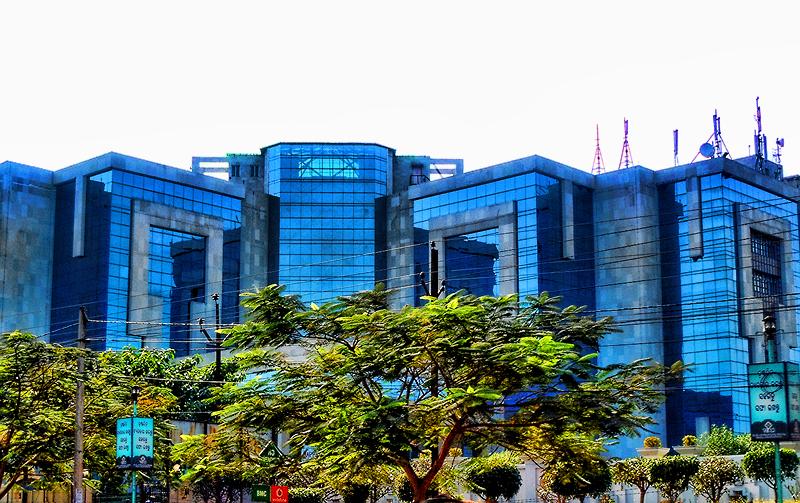
Land markets across several emerging Indian cities are showing early signs of rapid appreciation as new infrastructure corridors, industrial projects and improved regional connectivity begin reshaping urban growth patterns beyond the country’s major metros.Urban planners and real estate analysts say cities such as Bhubaneswar, Cuttack, Erode, Puri, Varanasi and Visakhapatnam are emerging as potential Tier Two Land Markets where property values could rise sharply over the next few years as public investment and employment opportunities expand.
The shift reflects a broader transformation in India’s urban development model. For decades, housing demand and land price escalation were largely concentrated in metropolitan centres such as Mumbai, Delhi, Bengaluru and Chennai. However, escalating property prices, congestion and long commute times in these metros are increasingly pushing both investors and homebuyers to explore smaller urban regions where affordability and liveability remain relatively intact. Urban policy experts point to sustained public investment in transport and logistics infrastructure as a major catalyst. The Union government’s capital expenditure programme for the current fiscal year allocates around ₹12.2 lakh crore toward infrastructure, supporting highways, metro rail networks, industrial corridors and airport modernisation projects across multiple regions. These projects often trigger early-stage land appreciation. Areas located within walking distance of metro corridors or transit hubs typically command price premiums compared with surrounding neighbourhoods once construction begins and connectivity improves. In similar growth cycles, planners note that infrastructure such as expressways or new airports has historically accelerated land value growth in adjacent districts as commercial activity and housing demand follow.
Peripheral growth zones on the edges of smaller cities are seeing particularly strong interest from developers exploring plotted housing and low-density residential communities. Unlike dense metropolitan markets, these micro-markets offer relatively large land parcels and lower acquisition costs, enabling developers to plan integrated townships or plotted developments aimed at middle-income buyers. Industrial expansion is adding another layer of demand. Manufacturing clusters, logistics parks and warehousing facilities planned under national industrial corridor programmes are creating local employment opportunities that reduce the need for migration to metros. As job centres emerge closer to smaller cities, housing demand tends to build gradually around these employment nodes.
Urban economists caution that land investment in Tier Two Land Markets also requires careful due diligence. Legal ownership records, land-use classification and development approvals remain critical considerations in many smaller cities where land governance systems are still evolving. Yet the underlying urbanisation trend appears durable. As infrastructure upgrades bring smaller cities closer to economic networks and transport corridors, these regions are gradually positioning themselves as alternative growth centres capable of supporting more balanced and inclusive urban expansion. For city planners and policymakers, the challenge now lies in ensuring that rising land values translate into well-planned neighbourhoods, resilient infrastructure and environmentally responsible development rather than speculative sprawl.