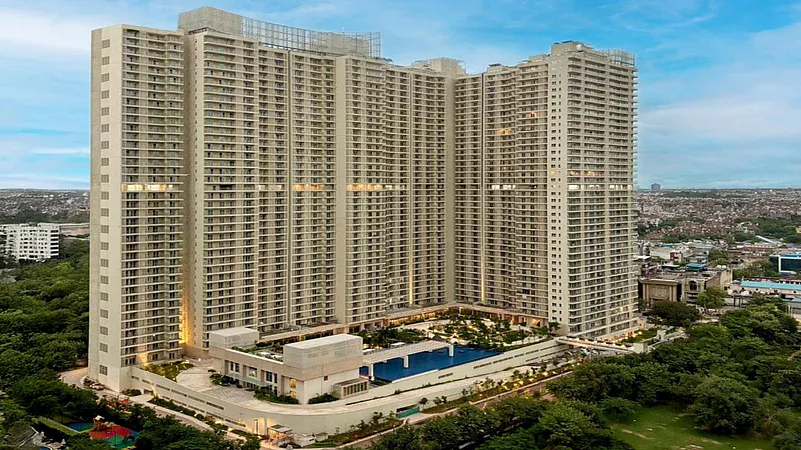
A growing number of affluent households from eastern Indian cities are entering Delhi luxury housing markets, signalling a broader shift in how wealthy investors are diversifying real estate portfolios across the country. Property consultants and developers report rising enquiries and purchases from buyers based in Kolkata and other commercial centres, as high-end residential projects emerge within the national capital’s traditionally low-rise neighbourhood fabric.
The trend reflects a combination of expanding wealth in eastern India and the gradual transformation of Delhi’s residential skyline. Historically defined by independent homes and low-density neighbourhoods, parts of the capital are now seeing vertical luxury developments that promise secure, amenity-rich living within established urban districts. For investors seeking prestige locations with limited land supply, this evolving typology is gaining traction. Market analysts say the shift is also tied to the way affluent buyers increasingly treat property as a long-term financial instrument rather than a single-city lifestyle purchase. As wealth accumulation accelerates in cities such as Kolkata, investors are looking to diversify geographically, targeting metropolitan markets where land constraints and regulatory frameworks restrict excessive supply.
In this context, Delhi luxury housing presents a relatively rare asset class. Unlike rapidly expanding suburban housing markets in several Indian metros, the capital’s premium residential stock remains limited because of planning controls, heritage precincts, and a large share of government-owned land. These structural conditions can support price resilience, making the market attractive to investors seeking capital preservation alongside lifestyle value. Urban planners note that the recent arrival of high-rise luxury condominiums is gradually reshaping perceptions of the capital’s housing ecosystem. Gated residential towers with integrated facilities, green landscapes, and modern building services are appearing in select redevelopment zones and brownfield parcels across the city. These projects typically emphasise controlled density, shared open spaces, and managed infrastructure features that appeal to buyers accustomed to global residential standards.
Some developments launched earlier in the decade have already recorded substantial price growth, reinforcing the perception among investors that premium housing in established Delhi districts can deliver significant value appreciation over time. Strong transport links, proximity to commercial hubs, and integrated public infrastructure continue to underpin demand in these locations. Urban economists caution, however, that the rise of luxury developments in land-constrained cities raises important questions about equitable urban growth. As capital flows into premium housing segments, policymakers and planners must also ensure that redevelopment frameworks support inclusive neighbourhoods, sustainable mobility, and adequate public infrastructure. The influx of external investors into the capital’s housing market highlights a larger transformation in India’s urban property landscape. Real estate ownership is no longer confined to a resident city but increasingly mirrors broader patterns of national wealth mobility. For Delhi, this evolving demand could accelerate the development of carefully planned high-density residential clusters within the city, provided regulatory oversight balances market growth with environmental resilience, infrastructure capacity, and long-term urban liveability.