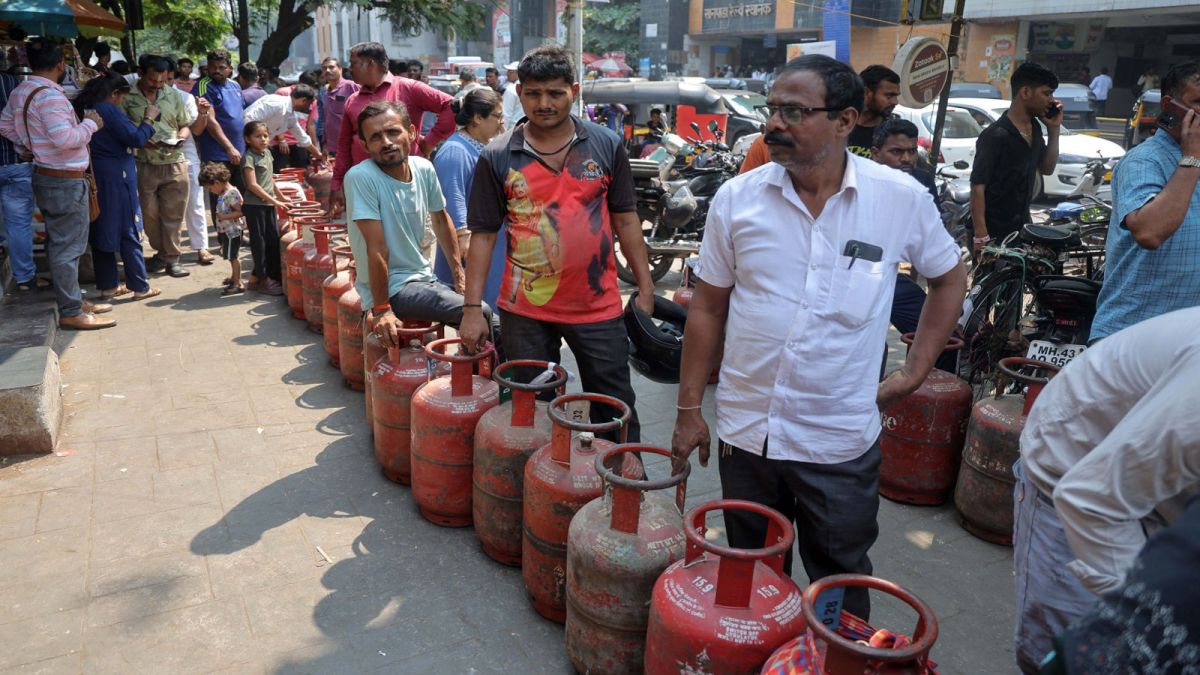
A large residential community in Bengaluru’s rapidly growing eastern corridor has withdrawn a proposed LPG rationing plan after residents raised concerns about the potential disruption to daily cooking needs, highlighting the vulnerability of urban housing complexes that depend on centralised fuel supply systems.
The apartment complex, located in the city’s technology-driven Bellandur neighbourhood, had briefly considered limiting cooking gas access to specific hours each day as a precautionary response to uncertainty in cylinder deliveries. The proposed LPG rationing plan aimed to extend the available supply within the residential campus, which relies on a central pipeline connected to commercial LPG cylinders rather than individual household connections.However, after discussions among residents and queries regarding the necessity of the restrictions, the management committee decided to suspend the plan and maintain regular supply schedules while monitoring stock levels.Large apartment communities in cities such as Bengaluru often operate centralised LPG distribution systems that channel cooking gas through pipelines to hundreds of homes. These systems simplify logistics and improve safety standards but can also create shared vulnerabilities when fuel deliveries slow or supply chains face disruptions.Residents were initially informed that existing cylinder stocks within the complex had fallen below typical weekly consumption levels. With uncertainties surrounding vendor deliveries, building managers explored rationing options that would have limited gas supply to specific time slots during morning and evening hours, encouraging households to reduce consumption and temporarily rely on alternative cooking appliances.
The proposal triggered discussion within the residential community, as residents sought clarity on the scale of the supply challenge and whether similar restrictions were being implemented in nearby housing societies. Following these discussions, the apartment association reassessed the situation and withdrew the LPG rationing plan, stating that it had been considered only as a precautionary measure.Urban housing experts say the episode illustrates how energy infrastructure within large residential developments must adapt to evolving urban conditions. High-density housing clusters across India increasingly depend on shared utility systems—from water treatment plants to gas pipelines—which require careful planning to maintain uninterrupted services.Energy planners also note that incidents like these are gradually accelerating conversations around diversified cooking solutions in cities. Induction stoves and other electric appliances, powered by expanding urban electricity networks, are being explored as supplementary options in residential communities where LPG logistics can occasionally face bottlenecks.For residents, however, cooking gas remains the most widely used and familiar household fuel. As urban populations continue to grow and vertical housing expands across metropolitan regions, ensuring stable energy supply within residential complexes will remain an important aspect of city infrastructure management.
Community administrators say they will continue coordinating with suppliers to ensure timely deliveries while reviewing contingency strategies for future supply disruptions. The situation underscores the growing importance of resilient urban energy systems capable of supporting the daily needs of dense residential populations.
Bengaluru Apartment Withdraws LPG Rationing Plan.