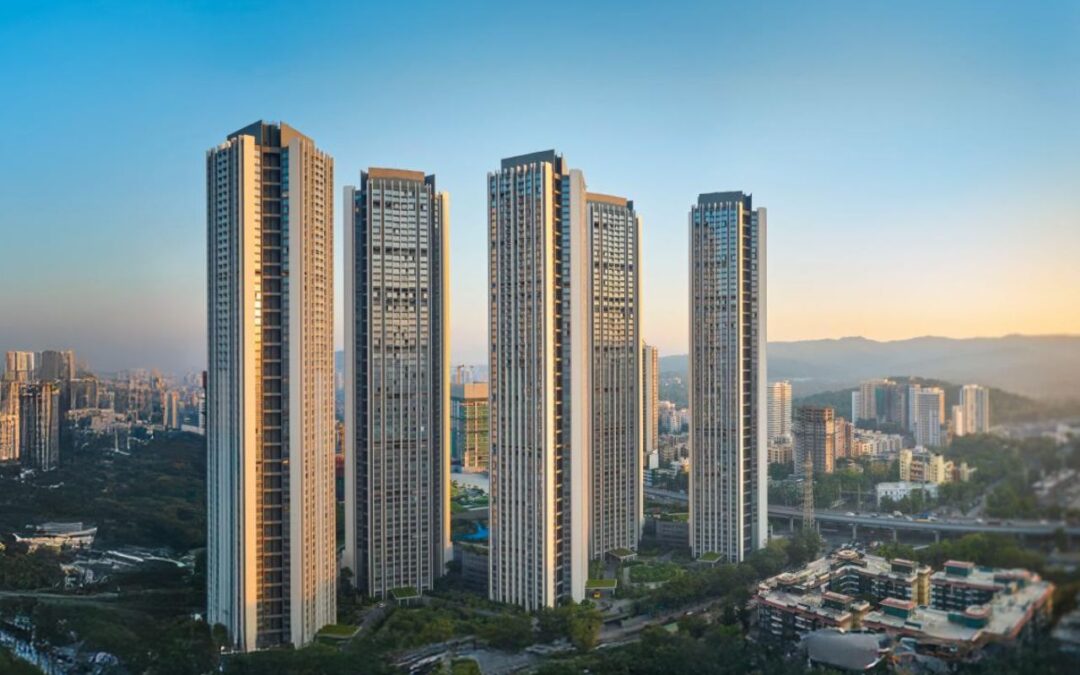
Thane Housing Market Tests New Raymond Realty Project
A large residential development planned on a nine-acre site in Thane is set to add fresh supply to the fast-growing Mumbai Metropolitan Region housing corridor. The project, launched by Raymond Realty, carries a projected revenue potential of about ₹2,000 crore and reflects rising developer confidence in suburban housing demand. The development highlights how Thane continues to emerge as a key residential alternative to Mumbai’s high-priced urban core.
The Raymond Realty Thane project is designed as a mixed residential community with a strong focus on shared spaces and lifestyle infrastructure. Plans indicate that more than half the site will remain open and landscaped, while amenities such as recreational facilities, community zones and clubhouses aim to support the trend towards integrated urban neighbourhoods rather than isolated apartment towers. Urban planners say this approach reflects shifting buyer expectations in metropolitan housing markets. Homebuyers increasingly seek access to green areas, walkable spaces and community infrastructure, particularly in dense urban regions like the Mumbai Metropolitan Region where land availability is limited. Projects that integrate residential, recreational and small retail elements are becoming more common as developers attempt to create self-contained neighbourhood environments.
Connectivity remains a central factor behind Thane’s growing appeal. The location benefits from road links to Mumbai through the Eastern Express Highway and rail connectivity through the suburban railway network. Upcoming metro corridors in the region are expected to further shorten travel times to key employment hubs, potentially strengthening demand for residential projects in the area over the next decade. Industry analysts note that such large residential launches also reflect broader changes in the suburban housing market. Rising property prices in central Mumbai have gradually pushed both developers and homebuyers towards peripheral but well-connected districts. Thane has benefited from this shift due to relatively larger land parcels and improving urban infrastructure. Financial indicators released alongside the announcement show strong operational momentum within the developer’s real estate division. Revenue and profit growth over the past year suggest increasing project execution and sales activity.
Market observers say improved balance sheets across several real estate firms are enabling developers to scale up projects as housing demand remains resilient in major urban regions. The Raymond Realty Thane project also underscores the scale of residential demand emerging in secondary urban centres around Mumbai. As population pressures and housing costs reshape the metropolitan landscape, suburban districts are evolving into self-sustaining residential clusters rather than mere commuter towns.Urban development experts emphasise that the next phase of growth in areas such as Thane will depend on balancing housing expansion with infrastructure, mobility planning and environmental resilience. Projects that integrate green spaces, transit connectivity and mixed-use amenities could play a role in shaping more sustainable urban neighbourhoods across the Mumbai region. With new supply entering the market and infrastructure upgrades underway, Thane’s housing landscape may be entering another phase of transformation, one where suburban developments increasingly define the future growth of the wider metropolitan region.