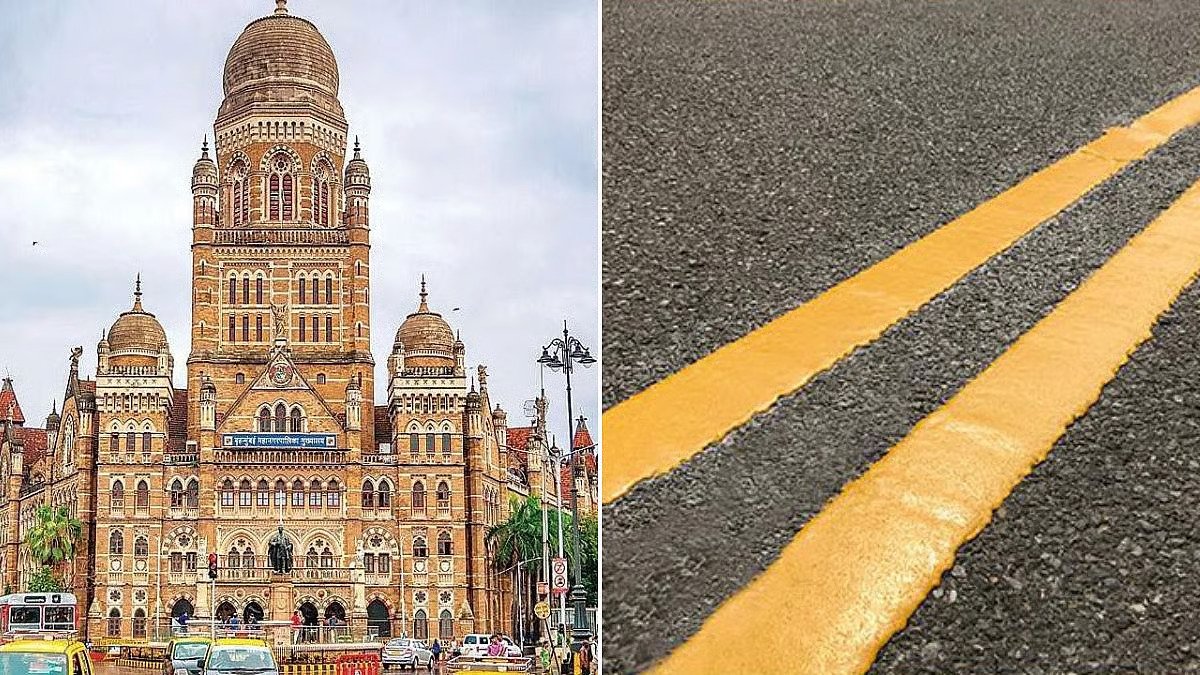
Mumbai’s municipal administration has initiated a large-scale programme to upgrade traffic lane markings across the city using advanced materials designed to improve durability and night-time visibility. The proposed initiative, centred on Mumbai thermoplastic road markings, is expected to be implemented over the next two years and will cover major arterial corridors as well as secondary roads across the metropolitan area.
Civic officials responsible for transport infrastructure say the project aims to replace faded or deteriorated road markings with long-lasting thermoplastic paint. The upgrade is intended to improve road discipline, enhance pedestrian safety and support more efficient traffic movement in one of India’s most congested urban transport networks. Municipal tender documents indicate that the initiative will involve removing worn-out road markings before applying new thermoplastic lines and symbols across multiple traffic corridors. These markings will include lane dividers, zebra crossings, stop lines and directional indicators designed to guide motorists and pedestrians.
According to officials overseeing the project, Mumbai thermoplastic road markings are being prioritised because the material performs better under heavy traffic conditions compared with conventional road paint. Thermoplastic coatings are heat-applied and embed reflective glass beads, allowing markings to remain visible even during low-light conditions or rainfall. Urban transport planners say improving the clarity of road markings is a relatively low-cost intervention that can deliver significant safety benefits. Clear lane boundaries help organise traffic flow, while visible pedestrian crossings improve safety for walkers and cyclists navigating busy intersections.
The scope of the programme also extends beyond surface markings. Engineers plan to address related road safety infrastructure including damaged kerb stones, worn traffic dividers and the installation of raised pavement reflectors that help drivers identify lane positions at night. Officials say these upgrades are particularly relevant in a city like Mumbai where road surfaces are subject to heavy vehicle loads, frequent monsoon rainfall and ongoing infrastructure works. Under such conditions, traditional paint markings tend to fade quickly, requiring frequent maintenance.
The upcoming project will also allow municipal authorities to deploy temporary road markings rapidly during major civic events, traffic diversions or emergency situations. Contractors engaged in the work will be responsible for ensuring that road markings are applied safely, with adequate traffic management and protective barricading around active work zones. Transport safety specialists note that better road markings play an important role in reducing accidents, particularly at busy junctions and pedestrian crossings. Studies in several global cities show that reflective thermoplastic markings can significantly improve driver reaction times at night.
The Mumbai thermoplastic road markings programme is also part of a broader effort to modernise urban mobility infrastructure. As Mumbai expands its road network alongside metro lines, coastal roads and elevated corridors, experts say consistent traffic guidance systems will become increasingly essential for managing mobility. Urban planners suggest that improved road markings must be complemented by stronger traffic enforcement, pedestrian-friendly street design and better integration with public transport systems. Together, these measures could help the city move toward safer, more efficient and climate-resilient urban mobility.
BMC Advances Mumbai Thermoplastic Road Markings Project