Delhi High Court Seeks Plan For Chirag Delhi Traffic
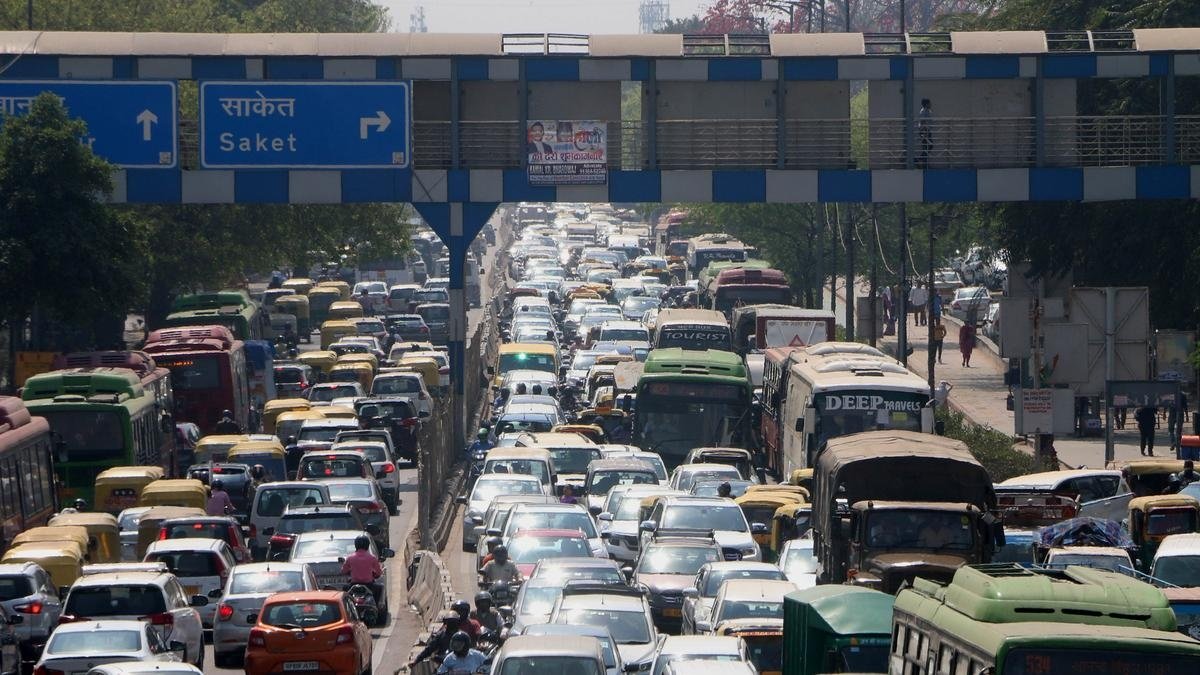
The Chirag Delhi traffic congestion issue has drawn judicial attention after the Delhi High Court directed multiple civic and transport agencies to coordinate immediate measures aimed at easing persistent gridlock at one of South Delhi’s busiest road intersections. During proceedings related to a public interest petition, the court asked officials from the Public Works Department, the city’s traffic police, and the Delhi Metro Rail Corporation to jointly examine the situation and identify workable interventions. Authorities have been asked to hold a meeting within a week to review the causes of congestion and propose solutions.
The Chirag Delhi traffic congestion point sits at a critical road junction connecting southern neighbourhoods with central Delhi, carrying heavy daily commuter movement toward institutional hubs, courts and administrative districts. Urban transport planners note that the corridor linking areas such as Khanpur and central city zones is frequently used by office workers, legal professionals and commercial traffic. According to officials familiar with the proceedings, the issue gained attention after a petitioner highlighted the daily delays experienced by commuters travelling toward court complexes and government offices. Traffic bottlenecks along this stretch, the petition argued, have disrupted time-sensitive travel and affected professional schedules across the legal ecosystem. Government representatives informed the court that construction work linked to ongoing metro infrastructure development has contributed to the current congestion. Metro expansion projects often require road diversions, temporary barriers and construction logistics that can reduce carriageway capacity for extended periods. Urban mobility experts say such disruptions are common in cities undertaking large-scale public transport construction. While metro expansion is widely seen as a long-term solution to congestion and pollution, the interim construction phase can temporarily intensify traffic pressure on already crowded roads.
The Chirag Delhi traffic congestion problem also illustrates the complexity of managing mobility in rapidly growing metropolitan regions. Delhi’s road network handles millions of daily vehicle trips, and intersections where multiple transport systems overlap—roads, flyovers and metro infrastructure—often require coordinated planning across several agencies. Transport planners suggest that short-term measures could include traffic signal optimisation, revised diversion routes and improved on-ground coordination between traffic police and construction teams. In some cases, temporary lane reconfiguration or staggered construction schedules have been used in other cities to ease pressure during major infrastructure works. Longer-term solutions may emerge once metro construction activity concludes and new rapid transit corridors begin operating. Such projects typically reduce road traffic volumes by shifting commuters to rail-based mobility, which is both more space-efficient and less carbon-intensive. For Delhi, where air quality and traffic congestion remain persistent urban challenges, strengthening mass transit networks remains central to the city’s transport strategy. However, experts stress that effective coordination between infrastructure agencies and traffic authorities is essential to minimise disruption during construction phases.
The court’s directive places immediate responsibility on relevant departments to review the situation and present a coordinated plan. How quickly those measures translate into relief for daily commuters around the Chirag Delhi traffic congestion zone will likely depend on both infrastructure timelines and on-ground traffic management efforts.
Delhi High Court Seeks Plan For Chirag Delhi Traffic