Indore Metro Phase Two Clears Key Inspection Stage
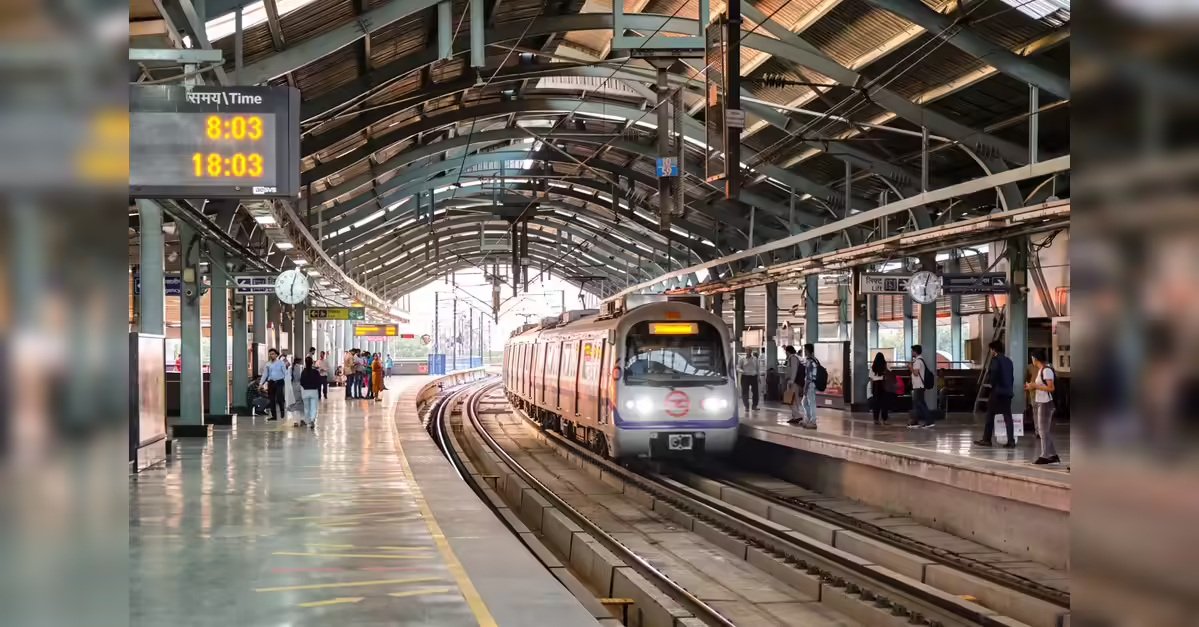
A long-time public transport enthusiast has been recognised by national urban affairs authorities for achieving an unusual milestone within the Delhi Metro network—boarding the first operational train on every newly inaugurated corridor since the system began running more than two decades ago. The recognition ceremony held in the national capital highlighted not just a personal record, but the deeper civic connection many residents have developed with the Delhi Metro network, which has grown into one of the country’s most influential urban mobility systems. Officials said such stories illustrate how large-scale infrastructure can reshape daily life in megacities.
Since the first metro services began operating in the early 2000s, the network has expanded steadily across the National Capital Region, linking residential districts, employment centres, education hubs and commercial corridors. Transport planners note that the system has fundamentally altered commuting patterns by offering a reliable alternative to road-based travel in a city long associated with traffic congestion and pollution. Urban mobility experts point out that the Delhi Metro network has played a critical role in promoting cleaner transport. By shifting millions of daily trips from private vehicles and buses to electric rail systems, the metro has helped reduce emissions while improving travel efficiency. Such mass rapid transit infrastructure is widely considered essential for cities attempting to balance population growth with climate commitments. Officials present at the recognition event said the commuter’s personal tradition—being on board the first train on every newly opened metro line—has continued for over two decades, covering multiple phases of the metro’s expansion. The achievement reflects the rapid pace at which the network has grown during that period, adding new corridors across Delhi and neighbouring cities such as Noida, Gurugram and Ghaziabad.
Infrastructure analysts say the metro’s development has also influenced real estate and urban planning patterns. Residential projects, office clusters and retail centres have increasingly emerged around stations, reinforcing transit-oriented development models that reduce reliance on long road commutes. These integrated planning approaches are now being replicated in other Indian metropolitan regions. The Delhi Metro Rail Corporation has become a reference point for similar projects nationwide. Several Indian cities have adopted comparable systems over the past decade, using metro rail as the backbone of urban mobility strategies aimed at improving productivity and lowering environmental impact. Beyond engineering milestones and ridership statistics, officials say commuter engagement remains an important indicator of the system’s social value. Stories of passengers who closely follow new route launches or document the network’s evolution highlight how infrastructure projects can become embedded in a city’s cultural identity.
As the Delhi Metro network continues to expand through new corridors and technological upgrades, planners believe maintaining public trust and everyday usability will remain as important as physical infrastructure. For rapidly growing cities, sustainable mass transit systems are increasingly seen not just as transport solutions, but as critical foundations for equitable and climate-conscious urban growth.
Delhi Metro Enthusiast Recognised For Historic Rides