Bhubaneswar LPG Shortage Pushes Households to Firewood
A growing Bhubaneswar LPG shortage is pushing households, caterers and restaurants to seek traditional cooking fuels, with firewood prices surging sharply across the city. As gas cylinder supplies remain erratic, residents are turning to local timber depots to meet everyday cooking needs, creating sudden pressure on alternative fuel markets and exposing vulnerabilities in urban energy supply chains.
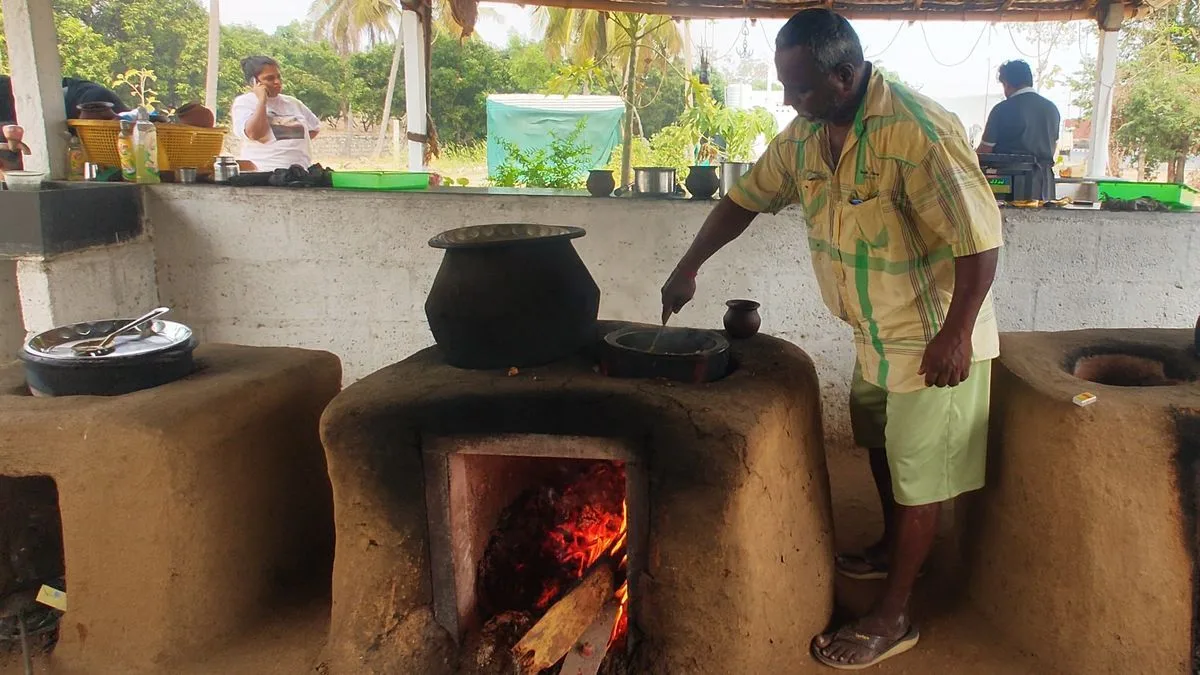
Across several neighbourhoods of the Odisha capital, traders report an unusual spike in demand for firewood typically used during large ceremonies or rural cooking. Timber merchants say supplies that once catered mainly to seasonal events are now being purchased by urban households for daily use. In response to the surge, the cost of certain wood varieties has climbed to about ₹1,700 per quintal, nearly double typical off-season demand levels. For many residents, the shift is less about preference and more about necessity. Apartment communities and smaller restaurants that rely entirely on LPG cylinders for cooking have struggled to maintain regular kitchen operations. With gas deliveries delayed, several catering services and eateries have temporarily adapted to wood-fired cooking systems to keep services running during wedding functions and community gatherings.
Industry observers say the Bhubaneswar LPG shortage illustrates how quickly disruptions in fuel distribution can ripple through urban economies. Restaurants, street vendors and food service providers are particularly exposed because they operate on tight supply cycles and cannot easily suspend daily operations. The sudden reliance on firewood has also triggered logistical challenges for suppliers unaccustomed to sustained demand from urban buyers. Local market operators indicate that stock levels at several firewood yards are already tightening. Some suppliers have begun rationing sales or prioritising bulk orders linked to events and catering contracts. While timber supply chains can adjust over time, traders warn that continued demand could push prices higher if the LPG situation does not stabilise soon. Urban policy specialists note that the development also highlights the fragility of cooking energy systems in rapidly expanding cities. As urban populations grow, dependence on a single fuel source especially one tied to complex distribution networks can leave households vulnerable to short-term supply shocks. Diversifying energy access, including electric cooking and decentralised energy solutions, is increasingly being discussed in city planning circles as part of climate-resilient urban infrastructure.
Environmental planners add that increased reliance on firewood in dense urban areas can raise air-quality concerns, particularly in neighbourhoods with limited ventilation and high population density. Smoke emissions from traditional wood stoves could compound pollution levels if the shift becomes prolonged. Officials monitoring the situation say supply normalisation depends on restoring stable distribution logistics. Until then, households and businesses in Bhubaneswar appear set to rely on alternative fuels, underscoring the importance of resilient urban energy systems that can absorb disruptions without forcing residents to revert to older, less sustainable cooking methods.