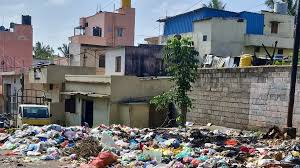
Civic authorities in Bengaluru are introducing an additional round of Bengaluru night waste collection in parts of the city’s southern zones as part of efforts to tackle recurring garbage accumulation and improve daily sanitation outcomes in dense neighbourhoods.
The initiative, currently being introduced in select wards, aims to supplement existing morning collection services that often struggle to keep pace with the city’s growing waste volumes. Municipal waste managers believe extending operations into the evening and night hours could help reduce instances of roadside dumping and overflowing bins that frequently appear during the daytime.Solid waste management officials say the programme is designed to address a long-standing challenge in Bengaluru’s sanitation system — missed or delayed morning pick-ups that leave waste piles visible on streets for several hours. By introducing a second collection window through Bengaluru night waste collection, the civic administration hopes to ensure waste is cleared more quickly and neighbourhoods remain cleaner during peak daytime activity.Urban sanitation experts note that waste management in large metropolitan areas requires flexible scheduling to match the rhythms of residential and commercial activity. In many parts of Bengaluru, early morning collection coincides with heavy commuter traffic and commercial deliveries, which can slow garbage trucks and disrupt service timelines.Operating additional collection rounds later in the day could help ease these logistical constraints. Officials say night-time waste removal may also reduce traffic disruption caused by sanitation vehicles navigating narrow residential streets during morning rush hours.
The initiative forms part of a broader strategy to modernise Bengaluru’s waste management framework as the city’s population continues to expand. Municipal authorities have increasingly focused on improving door-to-door collection systems, strengthening waste segregation practices and expanding decentralised waste processing facilities.Urban planners say improving collection efficiency is a critical component of building sustainable cities. Poorly managed waste can lead to environmental degradation, public health risks and higher municipal cleanup costs. In rapidly growing urban centres, ensuring timely waste collection also supports climate goals by reducing landfill pressure and improving recycling outcomes.However, officials emphasise that the success of the Bengaluru night waste collection system will depend heavily on citizen participation. Residents and businesses are expected to hand over segregated waste during designated collection windows rather than disposing of garbage at arbitrary times.Source segregation — separating biodegradable waste from recyclables and reject materials — remains essential for efficient processing and recovery. Without proper segregation, waste treatment facilities face operational challenges and recycling potential is reduced.Urban governance analysts say pilot programmes such as the Bengaluru night waste collection initiative allow city administrations to test operational changes before scaling them across larger areas. If the trial proves effective in reducing waste accumulation and improving collection efficiency, authorities may consider expanding the model to additional wards across the city.
For Bengaluru, which generates thousands of tonnes of municipal waste every day, such operational adjustments could play a significant role in strengthening urban sanitation systems while supporting long-term sustainability goals.
Bengaluru Night Waste Collection Pilot Expands Services