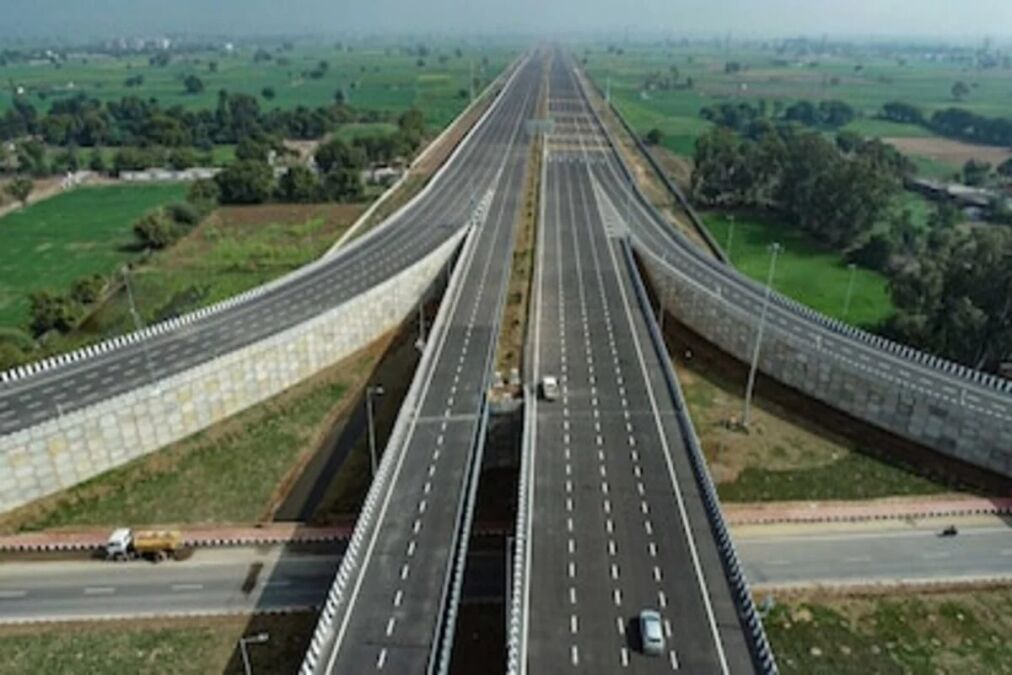
Indore Elevated Corridor Faces Legal and Planning Doubts
Lucknow’s evolving urban transport network is set for a major upgrade as the city prepares to open the second phase of its riverfront mobility project, a move expected to ease congestion across several densely populated neighborhoods and shorten cross-city travel times.
The newly completed Lucknow Green Corridor Phase 2 will open to traffic on 13 March, adding a roughly seven-kilometre stretch between Daliganj and Samta Mulak Chowk. Built at an estimated cost of around ₹299 crore, the corridor has been designed as a high-capacity urban road intended to reduce bottlenecks along some of the capital’s busiest routes. The project runs along the Gomti riverfront and is designed to improve traffic flow through key areas such as Daliganj and Nishatganj, where narrow intersections and heavy commuter movement frequently slow vehicles during peak hours. Officials say the corridor will allow vehicles to move more smoothly toward Gomtinagar and adjoining districts without repeated signal stops.
Transport planners view the Lucknow Green Corridor Phase 2 as a crucial segment of a larger mobility strategy aimed at linking the western and eastern parts of the city. When fully completed through subsequent phases, the corridor is expected to provide a continuous connection between IIM Road and Shaheed Path—two major arterial routes serving residential clusters, educational institutions and emerging commercial zones. Currently, commuters travelling between these areas often spend between 45 minutes and an hour navigating city traffic depending on time of day. With the full corridor operational, authorities estimate that travel time could fall to around 15–20 minutes, significantly improving urban mobility and reducing pressure on inner-city streets.
Urban development experts say projects like the Green Corridor reflect a broader shift toward signal-free mobility infrastructure in India’s fast-growing cities. Instead of expanding existing roads within dense neighbourhoods, planners are increasingly developing parallel corridors that redistribute traffic flows and connect outer growth zones with established city centres. Beyond traffic relief, the project also integrates elements of urban design. The corridor includes landscaped green spaces, modern street lighting and surveillance systems intended to enhance both aesthetics and safety for commuters. Such features are increasingly common in new infrastructure projects as cities attempt to balance mobility improvements with environmental considerations and public-realm upgrades along riverfront areas.
The broader Green Corridor initiative will eventually extend beyond the newly opened segment, with additional phases planned to push the route further toward Shaheed Path via Janeshwar Mishra Park and surrounding districts. For Lucknow, the completion of Lucknow Green Corridor Phase 2 represents more than a road expansion. It signals a shift toward corridor-based planning, where strategic transport links shape the city’s future growth pattern while improving daily commuting for residents across emerging urban zones.
As construction of the remaining phases begins, the project is expected to play an increasingly central role in how Lucknow manages rising vehicle numbers, urban expansion and the need for faster east-west connectivity across the state capital.