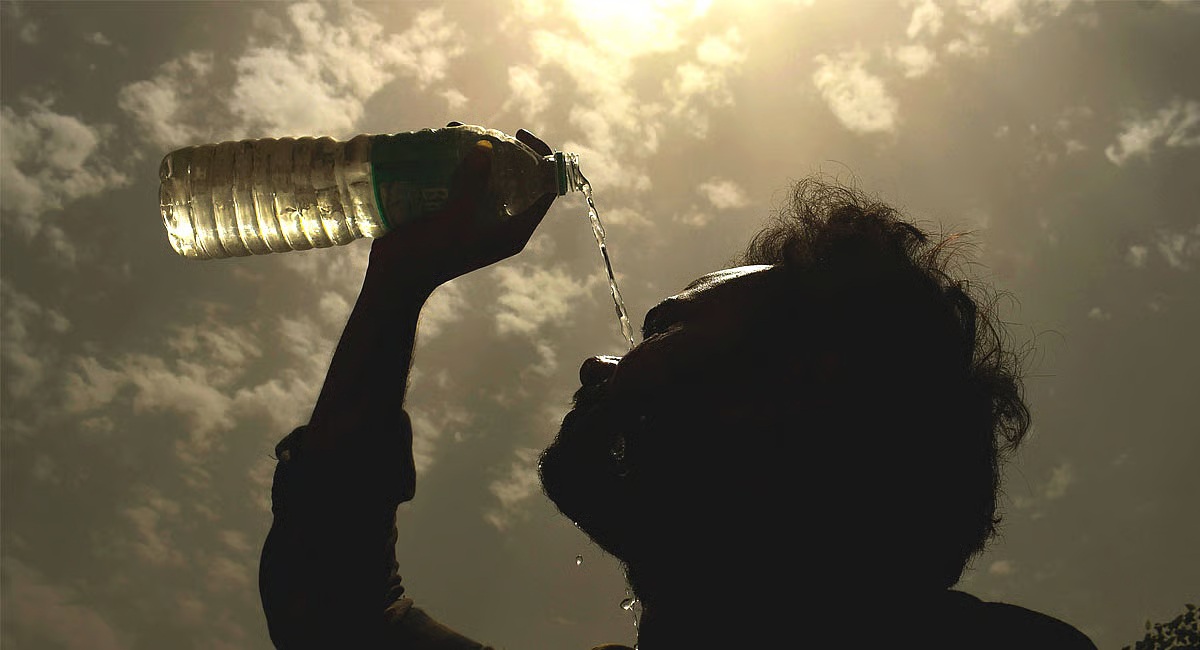
Jaipur Water Contingency Plan Activated Amid Early Heat
Rising temperatures in Rajasthan’s capital have prompted authorities to accelerate emergency measures aimed at securing drinking water supply for residents. The Jaipur water contingency plan has been partially activated weeks ahead of the usual summer schedule as municipal engineers respond to a sharp increase in water demand across several parts of the city. Public water managers say supply adjustments began mid-week after temperature levels climbed earlier than expected for March. The early rollout reflects growing concern among urban utilities about climate-driven shifts in seasonal weather patterns that are placing additional pressure on city infrastructure.
Under the Jaipur water contingency plan, engineers have begun adjusting water distribution levels across different city divisions to match demand. At the same time, project teams managing the regional water network have gradually increased the flow of treated water supplied from the Bisalpur reservoir, which serves as the primary drinking water source for Jaipur and several nearby districts. Urban infrastructure specialists note that large cities dependent on a single major reservoir must constantly balance supply management with conservation strategies during periods of intense heat. Sudden spikes in temperature often lead to higher household consumption and increased pressure on distribution systems. To manage potential shortages in peripheral neighbourhoods, municipal authorities have also placed tanker fleets on standby. These vehicles are typically deployed in areas located at the tail end of distribution pipelines or in densely built localities where water pressure tends to fluctuate during peak demand. Officials overseeing operations indicate that tanker deployment may increase significantly if temperatures continue rising in the coming weeks. While April to June traditionally represents the most challenging period for water supply in the region, the early onset of heat has required the Jaipur water contingency plan to be implemented sooner than usual.
Alongside supply measures, civic engineers are also focusing on curbing unauthorised water extraction from the municipal network. Enforcement teams are preparing inspections to identify illegal booster pumps and unauthorised pipeline modifications that can disrupt equitable distribution of water across neighbourhoods. Urban planners point out that such practices often divert water from communities located further along the pipeline network, worsening shortages in lower-income or peripheral areas. Preventing these interventions is considered critical for maintaining fairness in water access. State authorities have allocated emergency funds for each district to support contingency measures such as tanker operations, repairs and monitoring. These financial provisions allow local engineering teams to respond quickly to sudden demand spikes without waiting for additional administrative approvals. Despite the early activation of the Jaipur water contingency plan, officials say reservoir levels at Bisalpur remain adequate for the city’s needs at present. Water managers plan to increase supply gradually in line with demand, ensuring that available reserves are used carefully throughout the summer months.
Climate researchers warn that rising heat events across north-western India may make such early contingency responses more common in the future. For rapidly expanding cities like Jaipur, strengthening long-term water resilience—including conservation, groundwater protection and diversified supply sources—will remain central to ensuring reliable urban water systems.
Jaipur Water Contingency Plan Activated Amid Early Heat