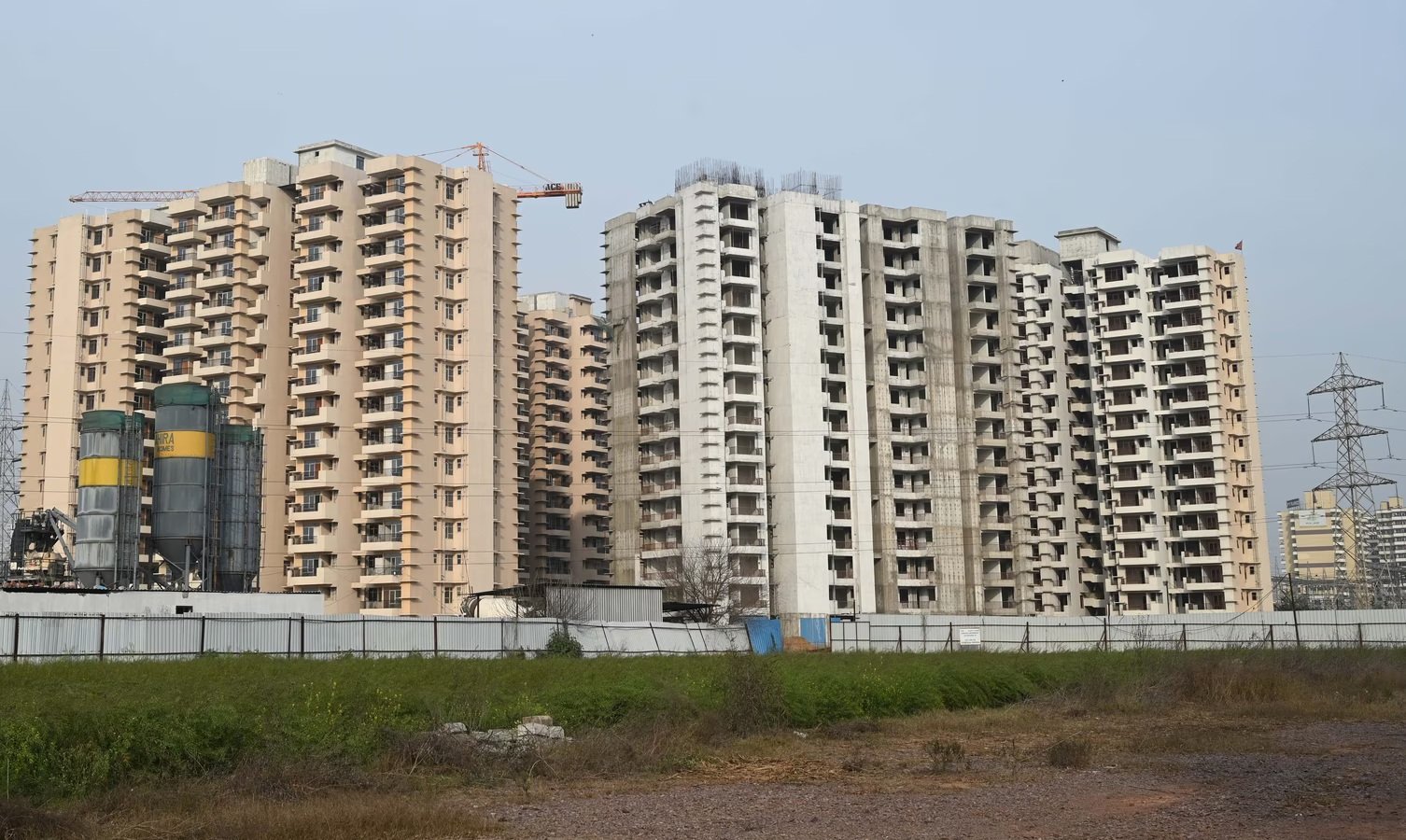
India Tier Two Cities Land Prices Rise Infrastructure Push
Land markets across India’s emerging urban centres are entering a new growth cycle as large-scale infrastructure projects and industrial expansion reshape regional development patterns. Analysts tracking real estate trends say Tier 2 city land prices could witness significant increases over the next few years, driven by transport connectivity, employment growth and government-led capital expenditure targeting smaller urban economies. Urban economists note that land markets often respond faster than residential housing segments when new infrastructure corridors are announced or under construction. As a result, Tier 2 city land prices in several fast-growing regional centres are expected to record strong appreciation during the early stages of the development cycle.
Cities such as Bhubaneswar, Visakhapatnam, Varanasi, Cuttack, Erode and Puri are increasingly being viewed by investors and developers as the next wave of urban growth hubs. These locations are benefiting from a combination of transport infrastructure expansion, improved logistics connectivity and government policies aimed at decentralising economic activity away from saturated metropolitan regions. One of the key drivers behind rising Tier 2 city land prices is the expansion of transit infrastructure. Real estate analysts say plots located close to new metro corridors or rapid transit systems tend to command premium valuations even before projects become operational. Historically, property markets near such corridors have recorded double-digit price appreciation as connectivity improves and surrounding areas attract residential and commercial development. Large transport infrastructure projects such as airports, expressways and industrial corridors can trigger even stronger land market responses. Property consultants indicate that early announcements of such projects often lead to rapid increases in land values within surrounding influence zones as investors anticipate future economic activity and real estate demand.
Beyond transport infrastructure, industrial and logistics clusters are also playing a critical role in reshaping regional property markets. The revival of manufacturing zones and the creation of new industrial corridors are expected to generate employment opportunities across multiple regions, encouraging migration and housing demand in nearby towns. Urban development experts say this shift reflects a broader rebalancing of India’s economic geography. For decades, large metropolitan cities absorbed the majority of real estate investment and job creation. However, rising land costs and congestion in major metros have pushed policymakers and investors to look toward emerging urban centres with greater room for planned expansion. Government policy initiatives, including increased public capital expenditure and new urban development funds, are expected to accelerate this trend. Infrastructure spending outlined in recent national budget plans is designed to strengthen connectivity networks while enabling smaller cities to support industrial growth and residential expansion. This evolving economic landscape is likely to influence both residential and commercial real estate markets. As employment centres emerge in new regions, demand for housing, office spaces, warehouses and logistics infrastructure typically follows, creating a broader ecosystem of urban growth.
For planners and policymakers, the surge in Tier 2 city land prices also highlights the importance of responsible land-use planning. Experts say balanced urban expansion, supported by sustainable infrastructure and efficient public transport systems, will be critical to ensuring that growth in these cities remains inclusive and resilient in the long term.
India Tier Two Cities Land Prices Rise Infrastructure Push