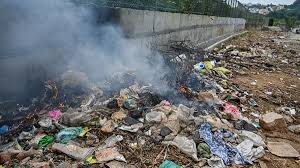
Residents in several eastern neighbourhoods have raised renewed concerns about Bengaluru garbage burning near residential areas, prompting fresh scrutiny of the city’s solid waste management practices and their impact on urban air quality.
Complaints have emerged from localities in the eastern municipal zones, where residents say piles of waste are periodically set alight near garbage collection points and transfer facilities. The resulting smoke has reportedly spread into nearby housing clusters, affecting daily activities and raising health concerns among residents.Urban residents living close to waste handling areas say the smoke frequently lingers during early mornings and late evenings. According to residents’ groups, the burning often involves mixed waste, including plastics and other non-biodegradable materials, which produces dense and potentially hazardous smoke.Civic officials responsible for solid waste management acknowledge that complaints about such incidents have been registered through the city’s digital grievance platforms. Data from the municipal waste monitoring system indicates that hundreds of waste burning complaints have been logged in recent months across Bengaluru. While most cases are marked as addressed after intervention by sanitation teams, identifying the exact source of these fires remains challenging.Municipal sanitation officials say waste burning incidents often occur outside standard monitoring hours, making enforcement difficult. In many cases, fires are suspected to be started by unidentified individuals attempting to reduce waste volumes quickly or dispose of dry organic material such as leaves.
Environmental experts warn that the practice has serious implications for urban air quality. Burning mixed municipal waste releases harmful pollutants including fine particulate matter, carbon monoxide and toxic compounds that can worsen respiratory conditions. Prolonged exposure to such pollutants can particularly affect children, elderly residents and individuals with existing respiratory illnesses.Urban planners also note that waste burning undermines broader efforts to transition Indian cities towards sustainable and climate-resilient urban systems. Cities such as Bengaluru are attempting to strengthen decentralised waste processing models, including composting and material recovery systems, to reduce landfill dependency and lower emissions from waste disposal.However, experts say these systems require consistent enforcement and community awareness to function effectively. Informal burning of garbage, even in small quantities, can offset gains made through organised waste segregation and processing programmes.Open burning of solid waste is prohibited under India’s Solid Waste Management Rules. Municipal authorities have the legal authority to impose penalties on individuals or institutions found responsible for such violations. Repeat offences can attract stricter enforcement actions under environmental and municipal regulations.Urban governance specialists say addressing the issue will require coordinated monitoring, stronger enforcement and better waste segregation at the household level. Improved waste collection infrastructure and timely removal of organic waste could also help reduce the likelihood of such incidents.
As Bengaluru continues to grow and densify, maintaining effective waste management systems remains critical for protecting public health and ensuring that the city’s environmental sustainability goals remain achievable.
Bengaluru Garbage Burning Raises Air Quality Concerns.