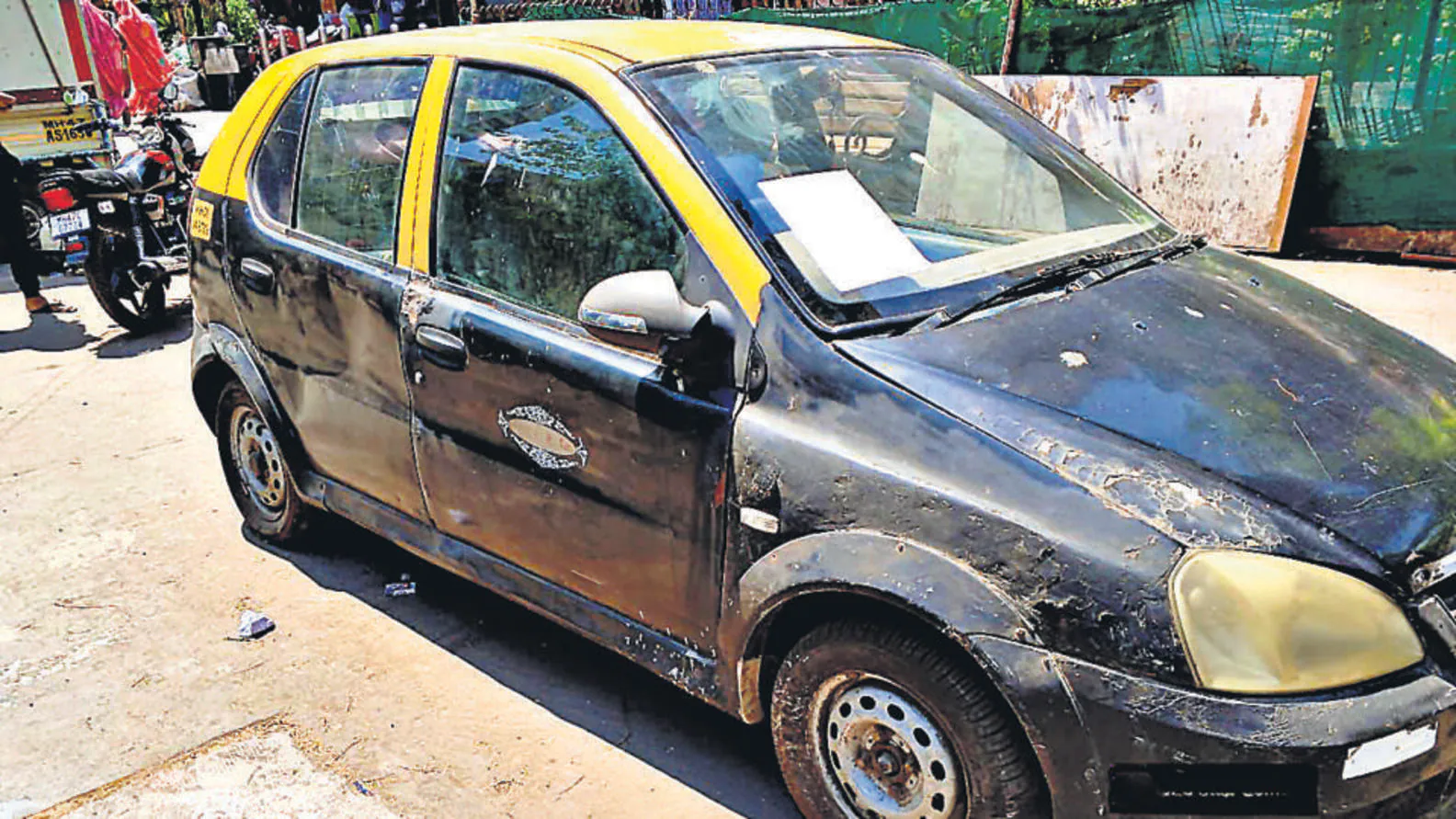
Authorities in Mumbai have begun removing abandoned vehicles from residential streets in Kandivali East, weeks after a large civic action against illegal street encroachments in the same locality. The latest drive, led by the city administration’s local ward office in coordination with traffic authorities, aims to reclaim road space, improve neighbourhood safety, and restore pedestrian access in one of the western suburbs’ densely populated residential clusters.
Officials overseeing the operation said that several unused vehicles had been occupying roadside spaces for months, creating obstacles for traffic movement and limiting access for municipal cleaning and maintenance services. After issuing notices to suspected vehicle owners and waiting for a response period, the administration began towing away vehicles that remained unclaimed. The abandoned vehicles removal drive is part of a broader effort to reclaim public space in areas where unregulated street use has steadily expanded over the years. In neighbourhoods like Lokhandwala Township and surrounding residential clusters, residents have increasingly raised concerns about unused vehicles left on streets for extended periods, often deteriorating into safety hazards.
Urban planners note that abandoned vehicles are a growing challenge in high-density cities such as Mumbai, where road space is limited and residential parking demand continues to rise. When unused vehicles accumulate along streets, they reduce carriageway width, disrupt pedestrian movement, and complicate emergency access. Municipal officials involved in the exercise indicated that local residents played a role in identifying such vehicles. Once marked, notices were placed on them asking owners to remove them within a fixed timeframe. Vehicles that remained unclaimed were subsequently removed and transported for dismantling, where recoverable parts are auctioned to offset operational costs.
In the initial phase of the abandoned vehicles removal drive, authorities cleared multiple two-wheelers, an autorickshaw, and a large passenger vehicle that had been stationary in the area for a prolonged period. Officials indicated that subsequent phases would focus on larger commercial or heavy vehicles occupying public road space across nearby residential pockets. Residents in the area say abandoned vehicles often attract anti-social activity and lead to sanitation issues. With the vehicles removed, civic workers are now able to clean stretches of road that had remained inaccessible for long periods.
However, the exercise has also highlighted a deeper structural issue in Mumbai’s suburban neighbourhoods: a widening gap between vehicle ownership and available parking infrastructure. Traffic authorities note that many housing societies lack adequate parking capacity, leading residents to store additional vehicles on public streets. To address this, local traffic officials are examining the possibility of regulated on-street parking zones in several eastern and western suburban neighbourhoods. Such systems, often implemented as paid parking, are designed to organise roadside vehicle storage while discouraging long-term abandonment.
Urban mobility experts say reclaiming road space from abandoned vehicles is an important step toward improving liveability in dense cities. In areas where footpaths are limited and roads double as pedestrian corridors, clearing unused vehicles can enhance safety, restore accessibility, and support cleaner urban environments. For city administrators, the ongoing abandoned vehicles removal drive represents a small but visible intervention in the larger effort to rebalance how public streets are used — ensuring they function not just as parking storage but as shared civic infrastructure.
Mumbai Steps Up Abandoned Vehicle Removal In Kandivali