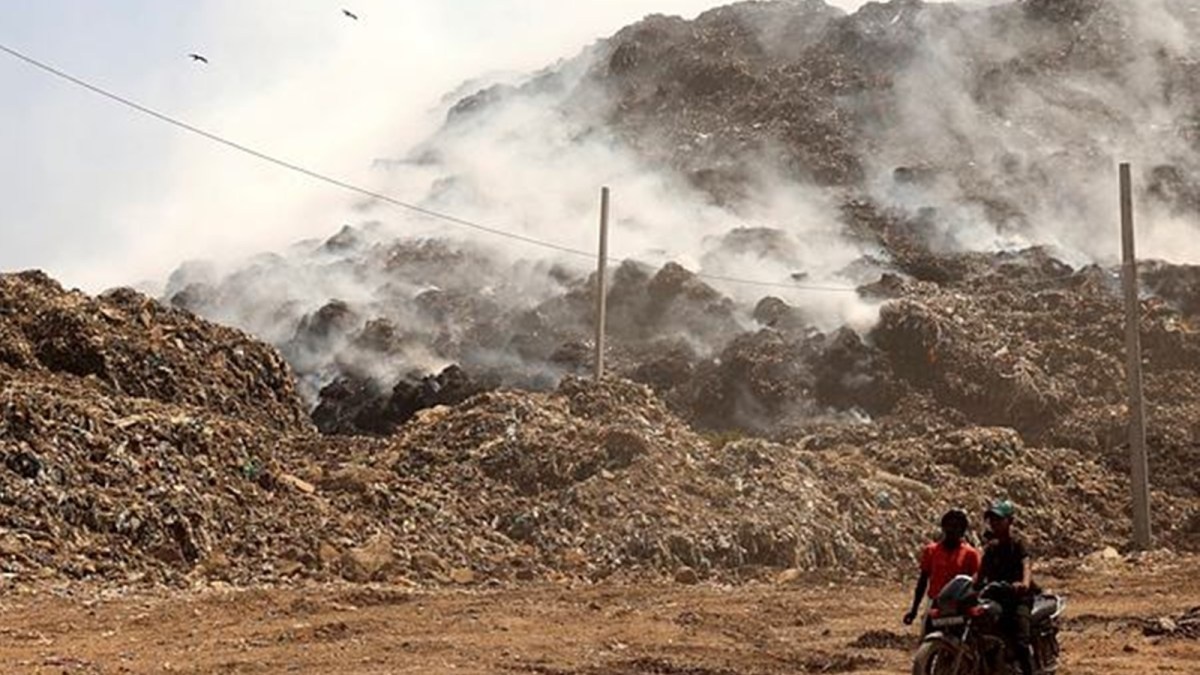
Delhi is preparing to transform reclaimed landfill land into a major transport facility, with authorities advancing plans for a new Delhi Bhalswa ISBT that could significantly improve interstate bus connectivity in the northern part of the capital. The proposed terminal would be built on land currently being reclaimed from the Bhalswa landfill, one of the city’s long-standing waste dumping sites undergoing phased clearance. Urban transport officials indicate that roughly 20 acres of reclaimed land at the site have been identified for the project. Once completed, the Delhi Bhalswa ISBT is expected to serve as a new gateway for inter-state bus travel, easing passenger congestion at existing terminals while improving access for commuters living in rapidly expanding northern neighbourhoods.
The redevelopment reflects a broader shift in urban planning that seeks to repurpose former landfill sites into productive civic infrastructure. Environmental planners say such land reclamation projects can help cities address two long-standing challenges simultaneously: managing legacy waste while creating space for essential public facilities. The Bhalswa landfill, along with other major dumping grounds in the capital, has been undergoing large-scale remediation as authorities work toward eliminating the city’s prominent garbage mounds within the next few years. Transforming reclaimed areas into mobility infrastructure such as the Delhi Bhalswa ISBT represents an effort to integrate waste management reforms with long-term urban development. Transport planners also note that the northern districts of Delhi have seen rapid population growth and urban expansion in recent years. However, major bus terminals remain concentrated in other parts of the city, often requiring long travel times for passengers heading toward neighbouring states. A new terminal in Bhalswa could reduce travel distances for commuters while improving operational efficiency for inter-state bus services.
The proposed facility is being considered alongside a series of upgrades to the city’s public transport network. Officials are also expanding the capital’s electric bus operations, with several hundred additional electric buses scheduled to join the existing fleet in the near term. Authorities expect the number of electric buses in service to grow significantly over the coming months as charging infrastructure expands across depots. Urban mobility experts say combining bus fleet electrification with improved terminal infrastructure could enhance the reliability and sustainability of Delhi’s surface transport system. Inter-state bus terminals serve as critical hubs connecting metropolitan commuters with regional towns, making their design and capacity essential for managing passenger flows. Infrastructure planning is also underway to strengthen depot capacity and support the increasing number of electric buses operating across the capital. Transport officials are evaluating new depot locations along key growth corridors while upgrading existing facilities to handle expanded fleets. Beyond mobility improvements, projects like the Delhi Bhalswa ISBT may also influence local land development patterns. Large transport hubs often attract commercial services, logistics facilities and residential growth in surrounding areas, reshaping neighbourhood economies over time.
As Delhi continues to address both urban waste challenges and mobility pressures, the redevelopment of reclaimed landfill land into transport infrastructure may signal a new approach to integrating environmental recovery with future-ready city planning.