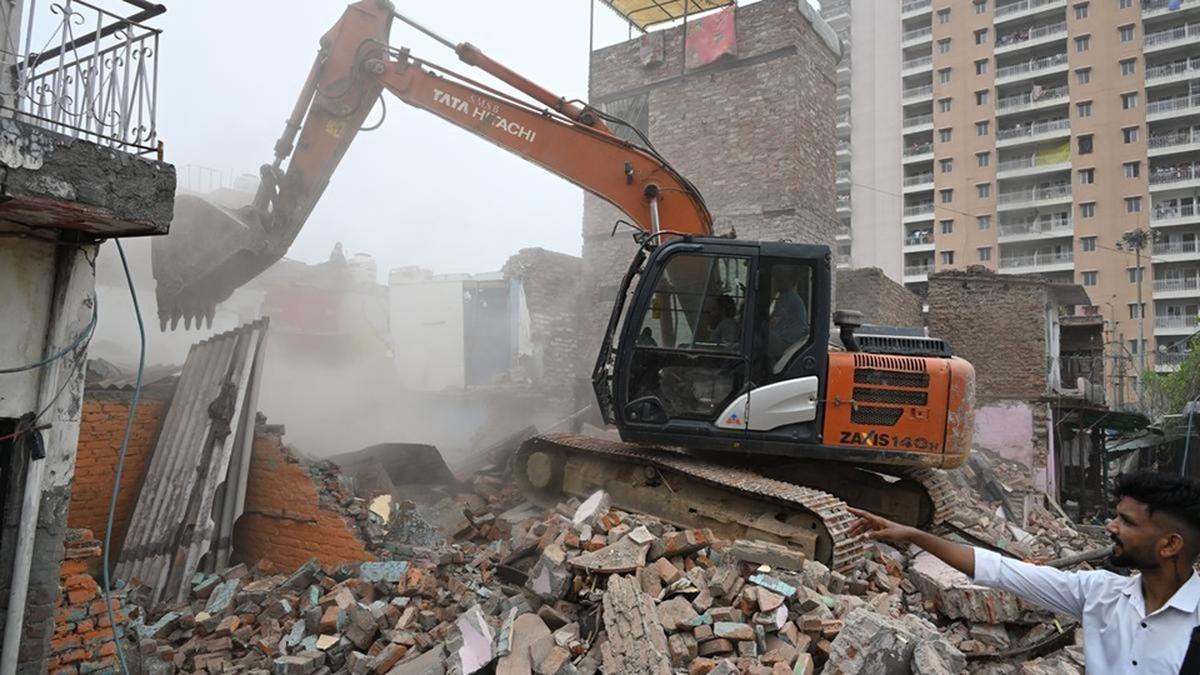
Delhi’s municipal authorities are preparing to deploy digital mapping technology to improve how construction and demolition debris is handled across the capital. The initiative aims to introduce a citywide Delhi GPS mapping system for designated waste disposal sites, enabling residents, contractors and enforcement agencies to identify authorised locations and reduce illegal dumping that contributes to urban pollution. Officials responsible for civic sanitation say the city has already identified more than 100 locations across its administrative zones where construction and demolition waste can be managed. These sites are now being digitally mapped so that their exact coordinates can be integrated into public platforms and municipal monitoring systems.
The Delhi GPS mapping exercise is expected to bring greater transparency to how building debris is handled in a rapidly expanding city where real estate development and infrastructure projects generate significant volumes of waste each day. Estimates from municipal planners suggest that Delhi produces around 6,000 metric tonnes of construction and demolition debris daily, much of which historically ends up dumped in vacant plots, roadside areas, or drains. Urban planners say unregulated dumping not only clogs stormwater channels but also worsens dust pollution, particularly during dry months when fine construction particles become airborne. Managing this waste stream has become increasingly important as the capital continues to see sustained building activity across residential, commercial and infrastructure sectors. Through the Delhi GPS mapping system, residents undertaking small construction projects such as home renovations will be able to locate nearby authorised disposal points online. This digital accessibility is expected to simplify compliance with municipal waste rules and reduce the logistical challenges that often lead to illegal dumping.
Municipal engineers say the mapping initiative will also allow authorities to track operational gaps in waste infrastructure. By analysing the geographic distribution of disposal facilities, planners can identify areas where additional collection centres or processing facilities may be required to support growing construction activity. The initiative is also expected to strengthen enforcement mechanisms. With mapped sites available on digital platforms, inspectors can more easily verify whether construction debris is being transported to approved locations. This could help authorities curb unauthorised dumping, which remains a persistent challenge in many urban districts. Industry experts note that construction and demolition waste is one of the fastest-growing urban waste streams in developing cities. However, when managed correctly, the materials can be recycled into aggregates used for road construction, paving blocks and other building applications, reducing pressure on natural resources. For Delhi, integrating Delhi GPS mapping into its waste management framework represents a shift toward data-driven urban governance. By combining digital tools with regulatory oversight, city administrators hope to create a more organised system for handling debris generated by rapid urban development.
As the mapping project progresses, urban sustainability experts say the next step will be ensuring that disposal sites are supported by recycling facilities and logistics networks capable of handling the capital’s expanding construction waste economy.