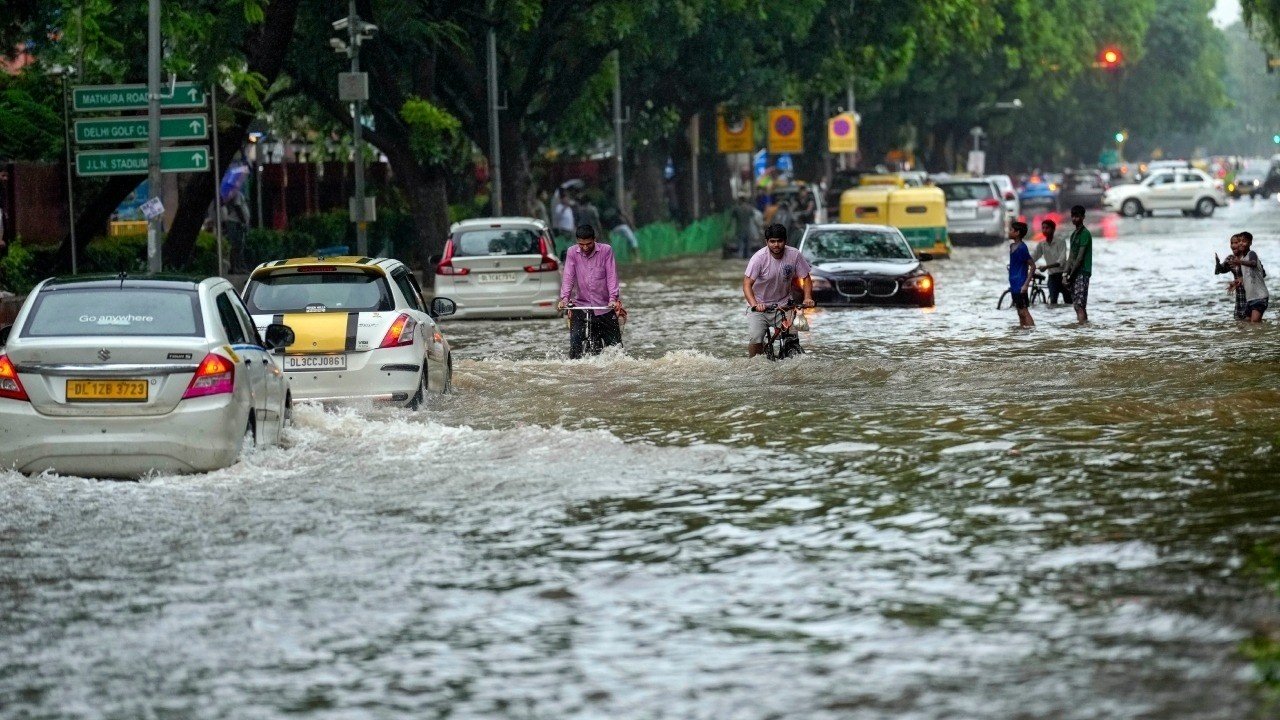
Delhi Court Flags Madanpur Dabas Waterlogging Concerns
Urban flooding concerns in Delhi’s peripheral settlements have come under judicial scrutiny after the city’s high court sought a detailed Madanpur Dabas waterlogging status update from multiple civic authorities. The direction follows a petition highlighting recurring flooding in a residential pocket within the north-western part of the capital, raising broader questions about drainage planning and settlement growth in unplanned urban areas. The court has asked the city government and key municipal agencies to submit an updated report explaining the current situation and the steps taken to address the issue. The matter surfaced during the hearing of a public interest petition that flagged prolonged water accumulation in Sharma Colony, a neighbourhood located within the Madanpur Dabas village cluster.
According to submissions made during the proceedings, residents have been facing seasonal flooding due to poor stormwater drainage and inadequate infrastructure. The settlement, which lies in a low-lying zone, reportedly experiences stagnant water during periods of heavy rainfall, affecting mobility, sanitation and basic living conditions. Urban planning specialists say such patterns are common in informal colonies that expand faster than the civic systems designed to support them. Legal discussions during the hearing also raised questions about the planning status of the settlement. Representatives involved in the case indicated that the colony does not have formal planning approval from the city’s development authority. The absence of official sanction complicates infrastructure provision, as agencies often face jurisdictional and policy constraints when delivering services to unauthorised developments. Officials representing the city administration suggested that land-level modifications carried out in the past, including soil filling in depressions, had contributed to drainage disruptions in the area. However, they also informed the court that conditions have improved and that standing water was no longer visible in recent assessments. Photographic documentation was presented to support this position.
Urban governance experts say the Madanpur Dabas waterlogging dispute reflects a wider structural challenge confronting rapidly expanding Indian cities. Peripheral villages and informal colonies often become residential clusters without adequate planning frameworks, leaving drainage networks, sewage lines and road infrastructure underdeveloped. When rainfall intensifies — a pattern increasingly linked to climate variability — these areas become particularly vulnerable to flooding. Environmental planners also emphasise that unregulated landfilling and construction in natural drainage corridors can disrupt traditional water flow paths. Without integrated stormwater management systems, even moderate rainfall can overwhelm neighbourhood-level infrastructure. The court’s intervention now places the spotlight on how agencies coordinate to manage such urban risks. Experts note that improved mapping of low-lying zones, protection of natural drainage channels and climate-responsive urban design could reduce the frequency of waterlogging in developing neighbourhoods.
As Delhi continues to absorb population growth and peri-urban expansion, the outcome of the Madanpur Dabas waterlogging case may influence how civic authorities approach infrastructure provision in unplanned settlements. The status report requested by the court is expected to clarify the scale of the problem and the remedial measures that may be needed to ensure safer and more resilient living conditions for residents.
Delhi Court Flags Madanpur Dabas Waterlogging Concerns