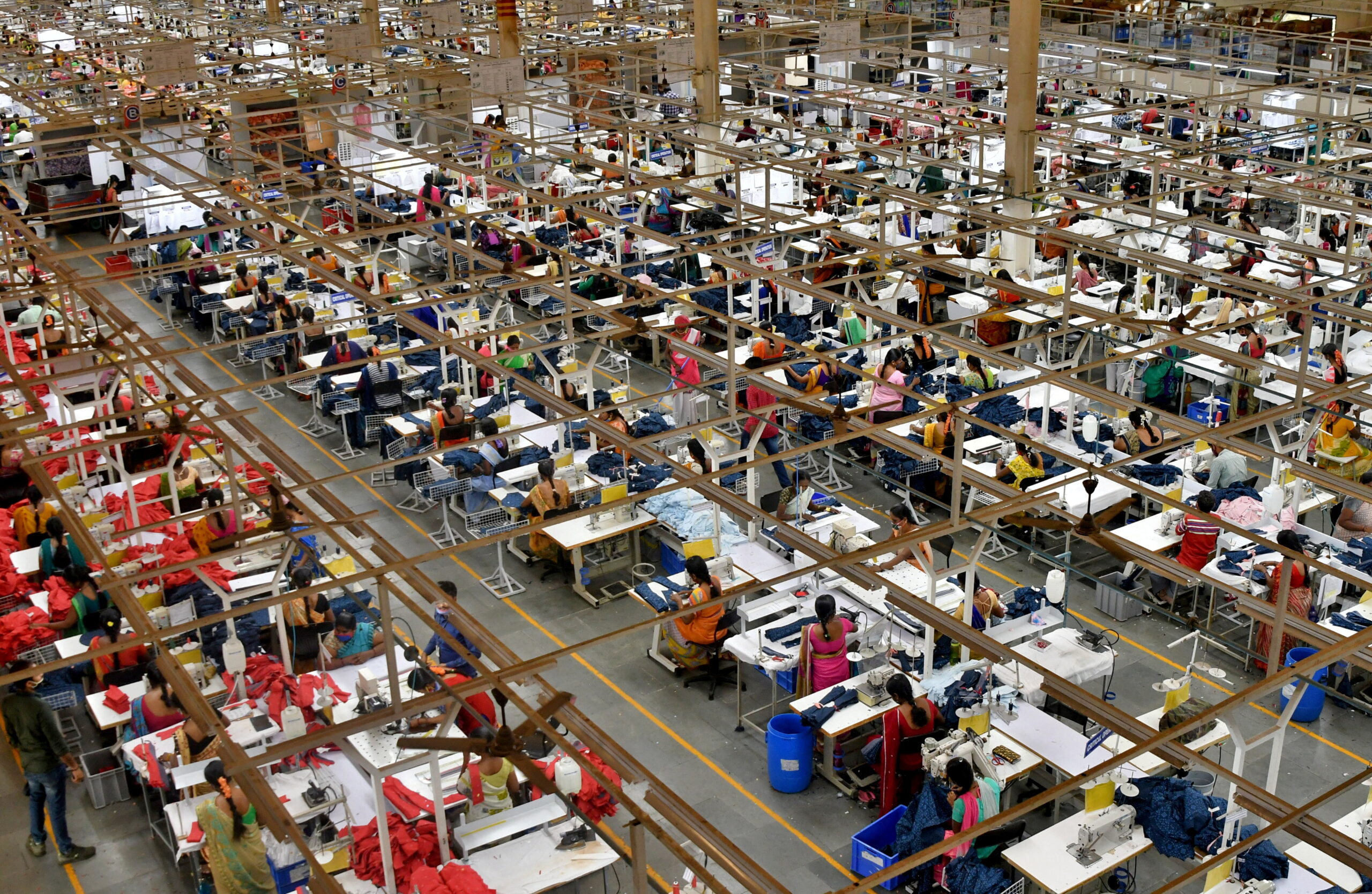
Surat Industry Growth Highlights India Economic Momentum
Rising global oil prices are beginning to ripple through India’s textile supply chain, with industry groups in Gujarat warning that the Surat textile price rise could soon affect fabric and garment markets across the country. Manufacturers in the city’s textile hub say increasing crude oil costs are pushing up prices of synthetic fibres, chemicals and transportation, potentially leading to a significant increase in finished textile products. Surat, widely regarded as one of India’s largest synthetic textile manufacturing centres, produces a substantial share of the country’s polyester fabrics and yarn. The sector’s dependence on petrochemical-based raw materials means that fluctuations in crude oil prices can quickly influence production costs. Industry representatives indicate that the recent spike in crude prices has already increased the cost of key inputs such as polyester yarn, dyes and processing chemicals. As a result, manufacturers say the Surat textile price rise could approach 20 percent if global energy prices remain elevated for a prolonged period. Synthetic fabrics, which dominate Surat’s textile production, are derived from petrochemical compounds linked directly to crude oil. When oil prices rise, the cost of producing polyester and related fibres increases, creating pressure throughout the textile manufacturing chain—from yarn production to fabric weaving and garment manufacturing.
Economists note that the textile sector operates on relatively tight margins, particularly in highly competitive manufacturing clusters like Surat. Producers often absorb short-term cost fluctuations, but sustained increases in raw material prices eventually force manufacturers to pass costs to wholesalers and retailers. Transport and logistics expenses are also contributing to the Surat textile price rise. Higher fuel costs affect freight charges for moving yarn, fabric and finished garments between industrial clusters and wholesale markets across India. For a city that serves as a major distribution hub for the textile trade, these cost pressures can have nationwide implications. Urban development specialists say Surat’s textile ecosystem plays an important role in the city’s economic structure. The industry supports thousands of small and medium enterprises as well as large manufacturing units, generating employment for workers across Gujarat and neighbouring states. However, rising production costs highlight the vulnerability of traditional manufacturing sectors to global energy price volatility. Experts suggest that long-term resilience in the textile industry may depend on adopting more energy-efficient production technologies and diversifying raw material sources.
Some industry observers also point to the growing relevance of sustainable textile production. Innovations such as recycled polyester, energy-efficient machinery and renewable energy integration within industrial units could help reduce dependence on fossil fuel-based inputs. For now, manufacturers in Surat are closely monitoring global oil markets. If crude prices remain elevated, the expected Surat textile price rise could soon filter through wholesale markets and retail clothing prices across India. The situation underscores how global commodity cycles can influence local manufacturing economies, particularly in cities like Surat where industrial production is closely tied to petrochemical supply chains.