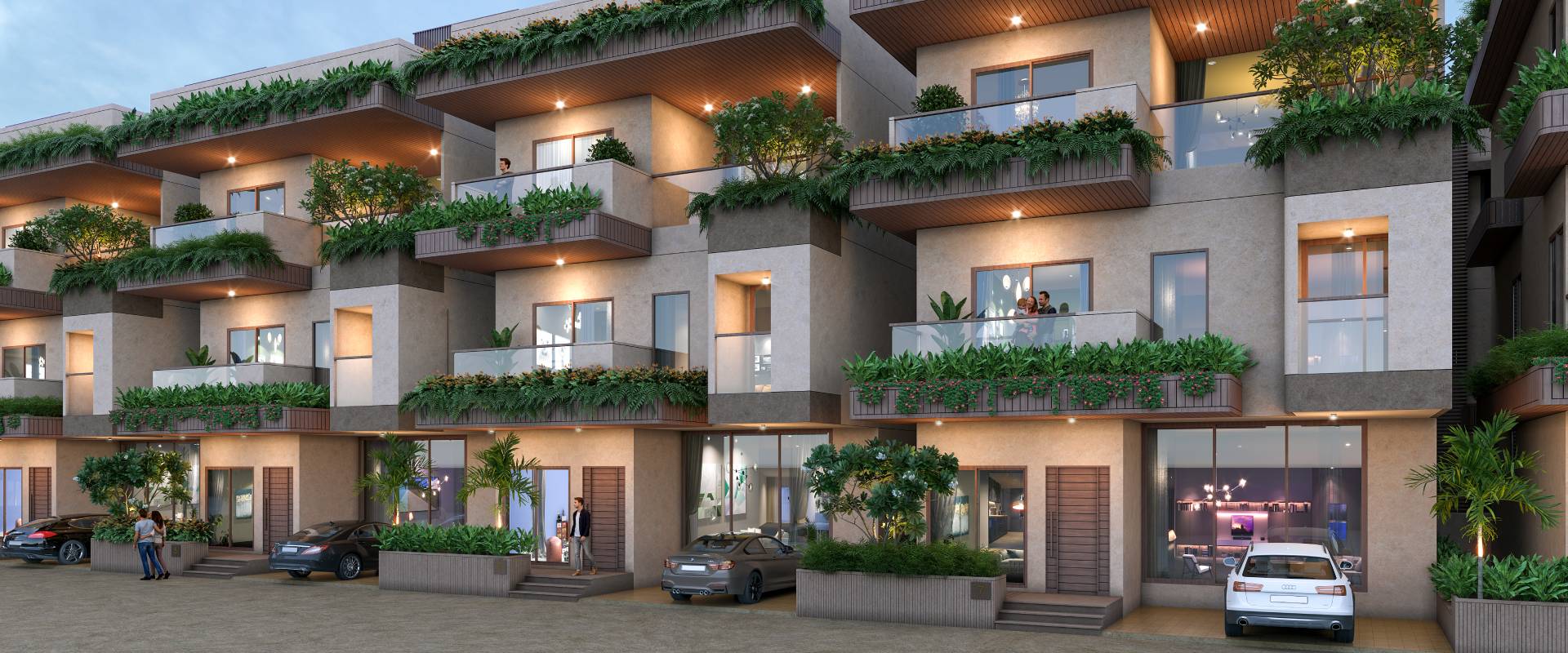
Bhopal Luxury Township Plan Targets Tourism Growth
A proposed Bhopal luxury township spanning roughly 220 acres near the Ratapani Wildlife Reserve is set to introduce a large-scale hospitality and lifestyle development in Madhya Pradesh, signalling a new phase of private investment in tourism-linked urban expansion in central India.
The project, being planned through a partnership between a listed infrastructure developer and a hospitality group, is expected to combine resort infrastructure, residential plots and adventure tourism facilities within a single integrated destination. Regulatory disclosures indicate the development could generate around ₹2,000 crore in revenue once completed, placing it among the more ambitious private hospitality-led township proposals currently emerging outside India’s coastal and metropolitan tourism hubs. Urban planners say such projects reflect a growing shift in how secondary cities are positioning themselves within India’s leisure and experiential travel economy. The proposed Bhopal luxury township is planned close to the Kolar reservoir and forested landscapes surrounding the Ratapani Wildlife Reserve, an area that has gradually drawn tourism interest due to its proximity to the state capital and relatively undisturbed natural surroundings. Development plans outline a mix of hospitality, residential and recreational components designed to function as a destination resort environment rather than a conventional housing project.
Preliminary design concepts suggest a five-star hospitality complex with around 300 guest rooms, wellness and spa facilities, and a series of resort-style villas and branded residential plots. Developers also intend to incorporate a racecourse-inspired recreational zone, corporate convention spaces and venues suitable for large weddings and events—segments that have increasingly driven revenue growth in India’s hospitality sector. A large adventure and extreme sports park is also being explored as part of the project, reflecting rising demand for experiential tourism among domestic travellers. Industry analysts note that such attractions are becoming a key component of integrated tourism developments, particularly in locations seeking to extend visitor stays beyond short weekend trips. The initiative is also expected to unlock value from privately held land in the region, while strengthening Bhopal’s position within the state’s tourism and hospitality ecosystem. The city has traditionally functioned as an administrative and educational centre, but recent infrastructure upgrades and highway connectivity improvements are gradually encouraging hospitality and real estate investments on its periphery.
Urban development specialists caution, however, that large-scale projects near environmentally sensitive zones must balance tourism growth with ecological protection.Areas surrounding wildlife reserves often require careful planning related to water management, biodiversity buffers and low-impact construction practices. If implemented responsibly, integrated projects such as the Bhopal luxury township could contribute to regional employment, hospitality capacity and tourism revenue while supporting emerging travel circuits in central India. The next phase will involve finalising design frameworks, environmental clearances and phased development strategies before construction timelines are announced.