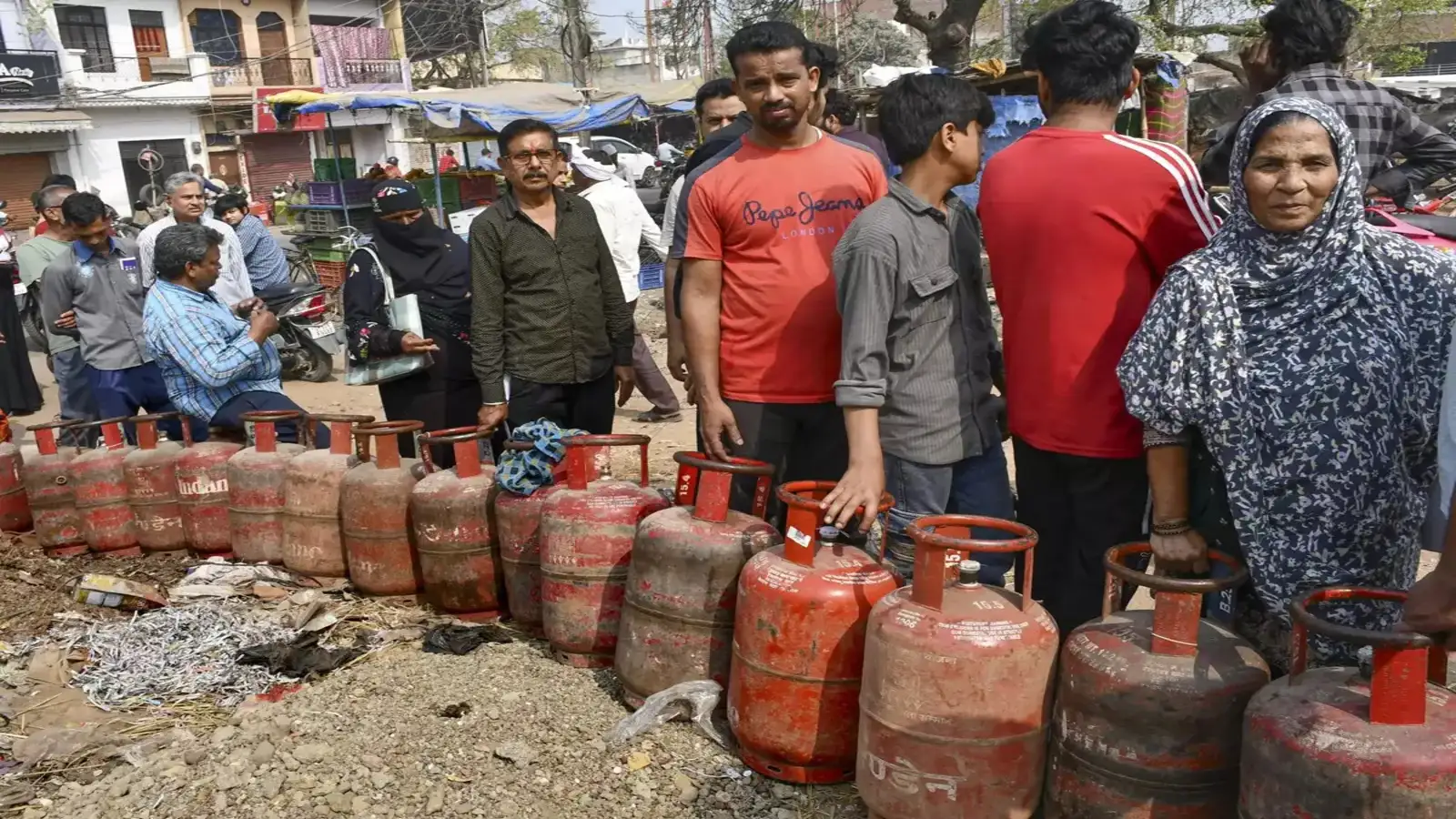
Residents across Bhubaneswar rushed to cooking gas distribution centres this week after unverified claims of an impending LPG shortage triggered widespread concern about household fuel availability. The sudden surge in demand led to long queues at several gas agencies and disrupted routine delivery schedules, highlighting how quickly urban supply chains can be strained by uncertainty in energy markets.
The rush began after rumours circulated linking potential disruptions in liquefied petroleum gas supplies to geopolitical tensions in West Asia. Although officials overseeing fuel distribution in the state maintain there is no official confirmation of a supply crisis, the speculation prompted thousands of households to advance their bookings or attempt immediate cylinder collection. Distribution centres across the capital reported unusually high footfall as consumers tried to secure cylinders ahead of schedule. Many residents said they had already booked refills but had been waiting several days longer than usual for delivery, fuelling anxiety about whether stocks were adequate. Industry representatives in the city acknowledged that delivery delays had occurred in some neighbourhoods due to logistical constraints rather than supply collapse. They indicated that transportation schedules and depot dispatch cycles can slow down temporarily when there is a sudden spike in demand. In several cases, agencies prioritised previously registered orders while limiting new bookings until fresh stock arrived.
Urban administrators monitoring the situation emphasised that the state’s LPG distribution system is designed to handle large consumer volumes and that supply allocations remain stable. However, the surge in panic-driven bookings placed temporary pressure on the network of distributors serving the metropolitan region. The capital’s cooking gas distribution ecosystem covers hundreds of thousands of households through dozens of agencies, with most residents dependent on LPG as their primary cooking fuel. For rapidly expanding urban centres like Bhubaneswar, reliable access to clean cooking energy is a critical component of public health and urban sustainability. Urban planners note that cooking gas demand in Indian cities has grown steadily over the past decade as households shift away from biomass fuels. This transition has improved indoor air quality and reduced emissions associated with traditional cooking methods. Yet the dependence on imported energy sources also exposes urban households to global supply disruptions and market sentiment. Energy market analysts say rumours of an LPG shortage often spread quickly in densely populated cities where delivery networks operate on tight distribution cycles. Even short-lived speculation can cause sudden booking surges that temporarily overwhelm agencies.
City officials indicated they are coordinating with fuel suppliers and distributors to stabilise deliveries and reassure consumers. Authorities are also encouraging residents to follow standard booking cycles to prevent unnecessary pressure on supply systems. For growing cities balancing energy security with climate goals, maintaining stable access to cleaner cooking fuels remains central to ensuring resilient and equitable urban living conditions.