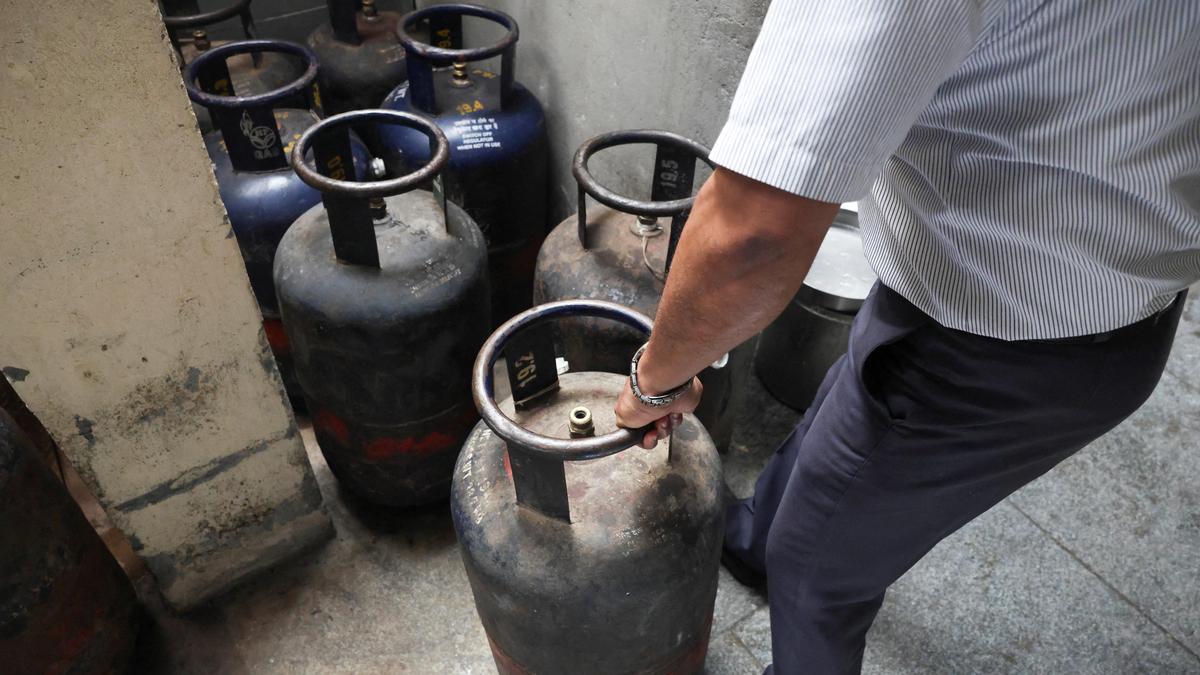
A disruption in commercial cooking fuel supplies is beginning to affect food businesses across Patna, with several restaurants and eateries scaling down operations or temporarily shutting sections of their kitchens as the city faces a shortage of liquefied petroleum gas used for commercial cooking.
The shortage of commercial LPG supply has emerged amid broader global energy disruptions linked to the ongoing conflict in West Asia, which has affected shipping routes and fuel supply chains that India relies on heavily for cooking gas imports. Restaurant operators across the city say they are finding it increasingly difficult to procure the 19-kg LPG cylinders required for daily kitchen operations. For many establishments, the fuel constraint has forced immediate operational changes. Some restaurants have begun reducing menu offerings, while others have temporarily shut down certain outlets or dining sections to conserve fuel supplies. Industry representatives say commercial kitchens typically require several cylinders each day, and even short-term disruptions can significantly affect service capacity.
Energy analysts say the current supply stress reflects how global geopolitical developments can rapidly impact urban service economies. India imports a large share of its LPG from West Asian producers, making domestic availability sensitive to disruptions in regional shipping corridors and export flows. As the conflict has escalated, authorities have prioritised domestic household supply to prevent shortages for residential consumers, tightening availability for commercial users such as restaurants and hotels. This policy shift has triggered ripple effects across the hospitality industry nationwide. Restaurant associations have warned that prolonged interruptions in commercial LPG supply could force widespread closures, particularly among small and mid-sized eateries that lack backup energy sources such as piped natural gas or electric cooking infrastructure.
In cities like Patna, where piped cooking gas networks remain limited, restaurants depend almost entirely on cylinder-based LPG deliveries. Urban infrastructure specialists note that this dependence highlights a broader challenge in India’s city economies: the lack of diversified energy systems for commercial establishments. Without alternative energy sources, hospitality businesses remain vulnerable to supply shocks, logistics disruptions, and price volatility in global fuel markets. Similar operational challenges are already being reported in multiple Indian cities, where eateries have started limiting hours or adjusting menus to cope with fuel shortages.
Beyond restaurants themselves, the crisis could have knock-on effects on urban employment and food service networks. The restaurant sector supports millions of workers nationwide, including kitchen staff, delivery personnel, and suppliers. Any prolonged disruption in cooking fuel availability could affect livelihoods and local food economies in dense urban neighbourhoods. Urban policy experts suggest that expanding piped gas networks, promoting electric kitchen technologies, and diversifying commercial energy infrastructure could help cities reduce vulnerability to future fuel supply disruptions.
For now, however, restaurant operators in Patna remain dependent on the stabilisation of LPG deliveries. Until supply chains recover, many kitchens across the city are expected to operate under constrained conditions, with reduced menus, shorter service hours, and uncertain reopening timelines for temporarily closed outlets.